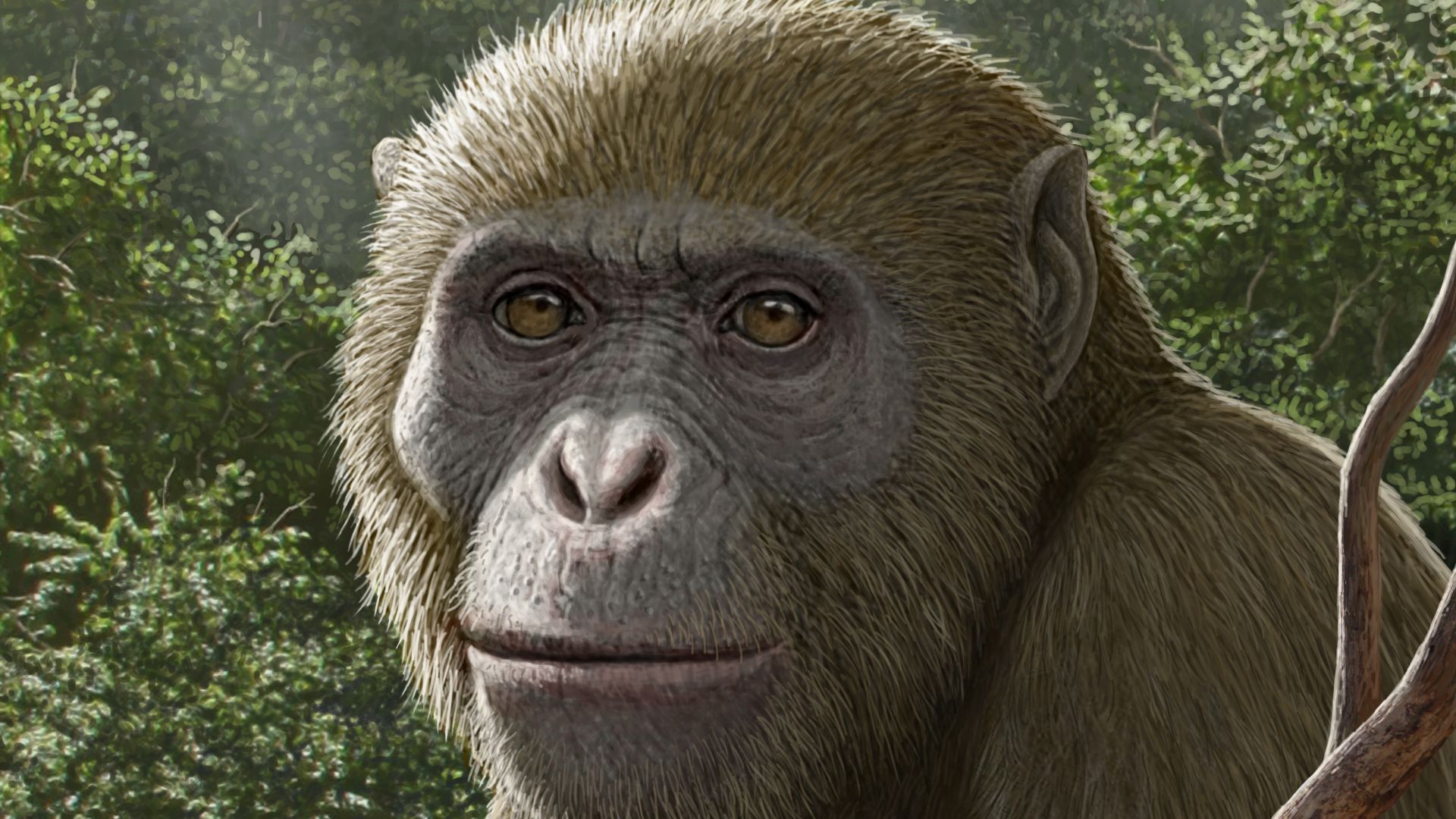
18 million-year-old fossils of ape found in Africa, but in an unexpected place
Live Science • • general
Key Points:
- The discovery of 18 million-year-old ape fossils in northern Egypt suggests that the ancestors of all living apes, including humans, may have originated in northeast Africa or Arabia, challenging the long-held belief that modern apes originated solely in East Africa.
- The fossils belong to a newly identified genus and species named Masripithecus moghraensis, found in the Wadi Moghra region, and are placed on the evolutionary line just before the split between great apes and lesser apes, indicating close relation to the last common ancestor of living apes.
- While some scientists find the interpretation of the fossils' significance promising, others urge caution due to the incomplete nature of the remains and call for more comprehensive fossils to confirm these evolutionary conclusions.
- The discovery aligns with existing evidence of ape distributions across Africa, West Asia, and Southeast Asia, supporting the idea that modern apes may have passed through northeastern Afro-Arabia during their evolution.
- Researchers emphasize that further fossil discoveries in and around Egypt could greatly enhance understanding of early ape evolution and potentially reshape current scientific perspectives on ape origins.


