AI Image
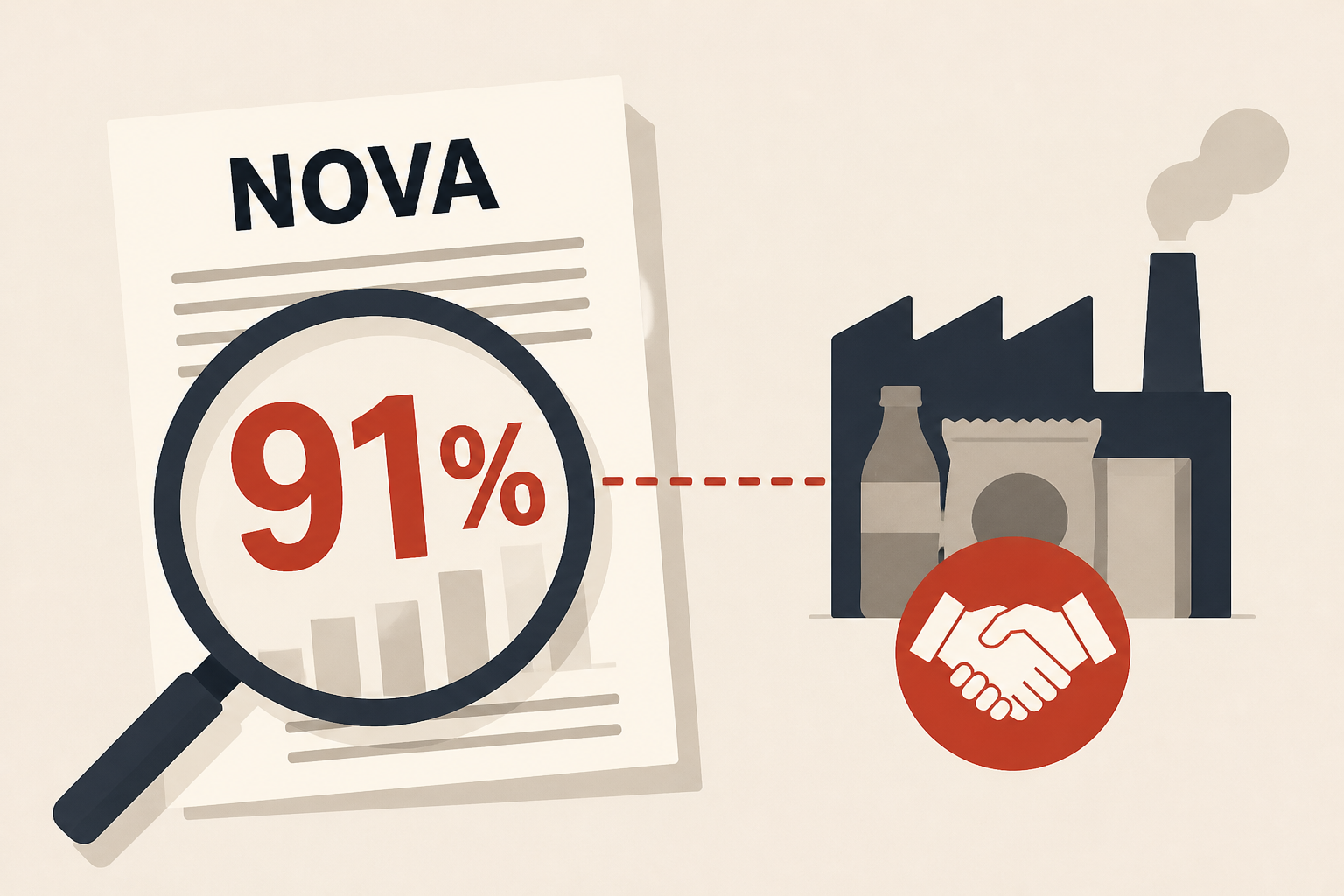
91% of papers criticizing NOVA had an author with food industry ties, study finds
The Examination • • health
Key Points:
- The NOVA classification system, widely used to define ultraprocessed foods, faces criticism from academics, many of whom have financial ties to the food industry, according to a new study in the American Journal of Public Health revealing 91% of critiques involve at least one industry-linked author.
- This conflict is impacting policy efforts globally, with U.S. officials delaying a formal ultraprocessed food definition due to concerns about its broad scope and potential legal risks, while Latin American health authorities face strong opposition from food industry groups.
- Industry groups argue that NOVA's broad classification unfairly targets a large portion of the food supply and disputes the notion that all ultraprocessed foods are harmful, citing examples like flavored yogurt and whole-grain bread as beneficial despite being ultraprocessed.
- Experts supporting regulation caution that industry-funded critiques often align with corporate interests and lack full disclosure, calling for greater transparency and highlighting parallels to historical tactics used by the tobacco industry to undermine public health science.
- Despite valid methodological critiques, researchers emphasize the growing evidence linking ultraprocessed foods to health issues such as heart disease and obesity and advocate for pragmatic policy measures based on NOVA's framework to reduce consumption and protect public health.


