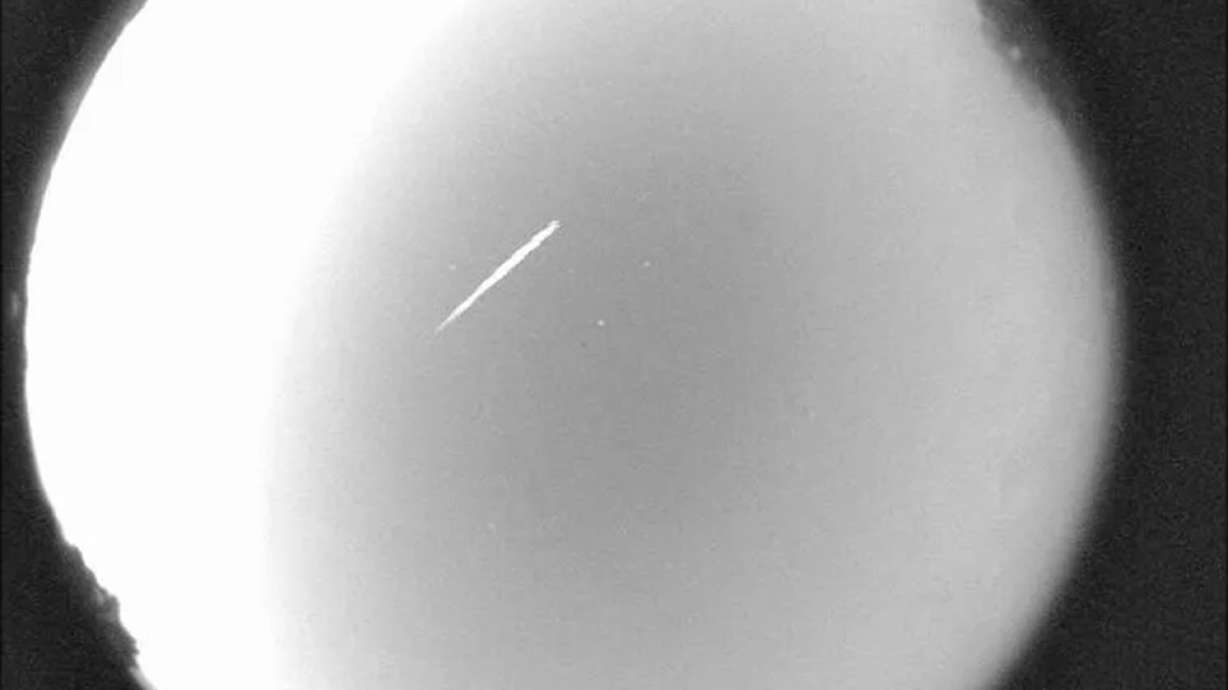
A bright moon may dim the Eta Aquarid meteor shower made up of Halley's comet debris
KSL News • • science
Key Points:
- The Eta Aquarid meteor shower, caused by debris from Halley's comet, will peak Tuesday night into Wednesday morning, but a bright waning gibbous moon (84% full) will significantly reduce visibility this year.
- Viewers in the Southern Hemisphere can expect up to 50 meteors per hour during the peak, though the moon may cut that number by half; Northern Hemisphere observers will likely see fewer than 10 meteors per hour.
- The best viewing time is just before dawn, away from city lights and tall buildings, ideally with a clear eastern horizon near the constellation Aquarius and the bright star Eta Aquarii.
- Observers are advised to avoid looking at phone screens to allow their eyes to adjust to the darkness and to use blankets or lawn chairs for comfort while watching the fleeting bright streaks of meteors.
- Meteor showers occur when Earth passes through debris left by comets like Halley's comet, which returns every 76 years and will next appear in 2061.


 { path { fill: %23EEEFE9 } })