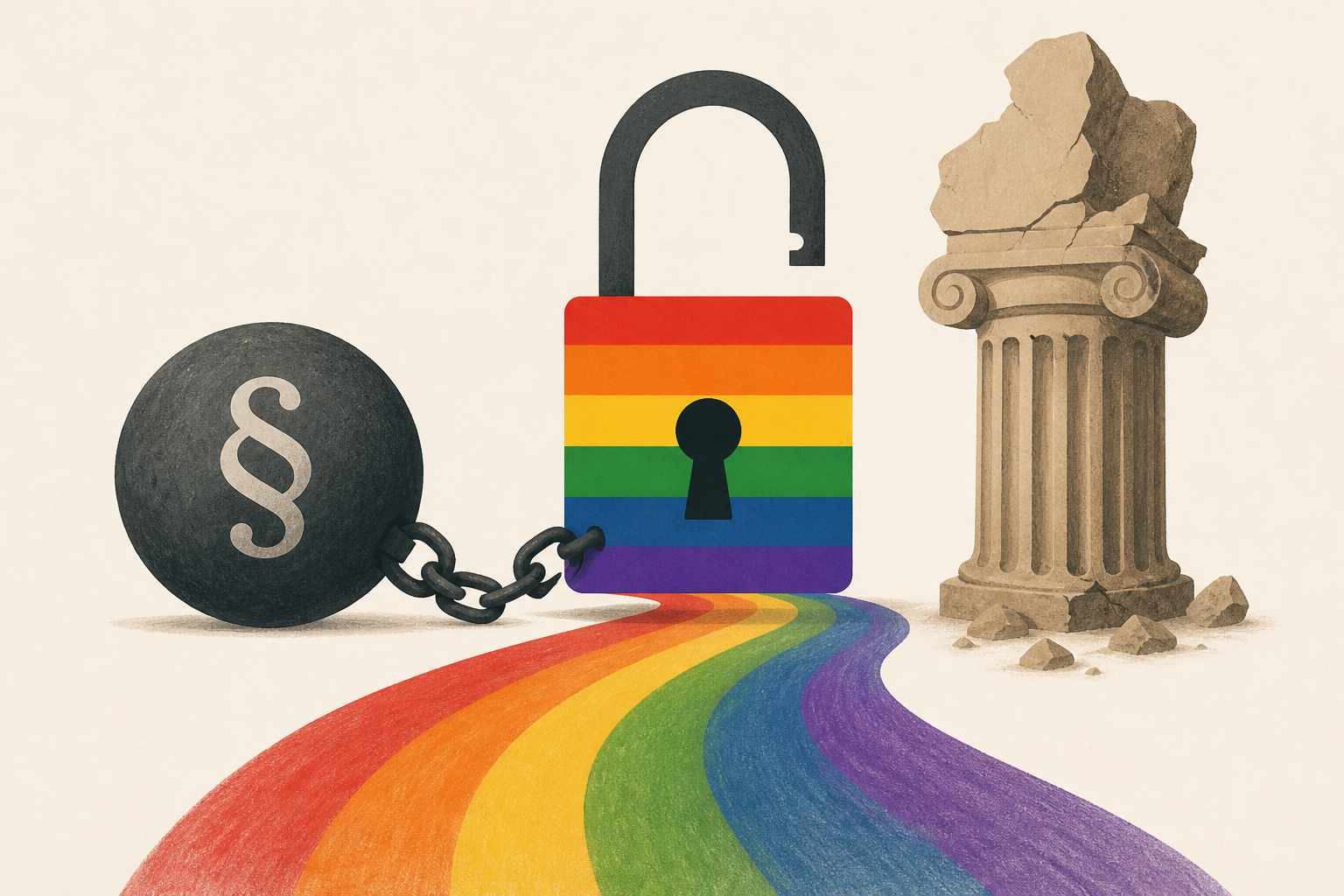
AI Image
A gay sex ban is overturned in Trinidad and Tobago. What the ruling says about LGBTQ+ rights and post-colonial identity
CNN • • world
Key Points:
- The British Judicial Committee of the Privy Council has overturned a colonial-era law criminalizing gay sex in Trinidad and Tobago, ruling it unconstitutional and marking a significant victory for LGBTQ+ rights in the Caribbean nation.
- The law, which allowed prison terms of up to five years for "buggery" and two years for "gross indecency," was challenged by LGBTQ+ activist Jason Jones, whose case progressed through Trinidad and Tobago's courts before reaching the Privy Council for a final appeal.
- The ruling emphasizes that criminalizing private consensual same-sex activity violates fundamental rights and freedoms, potentially setting a precedent for similar challenges in other former British colonies that still have such laws.
- Activists and legal experts highlight the colonial origins of these laws and call for a broader reassessment of inherited legal frameworks, noting the irony that Trinidad and Tobago had to use its former colonial ruler's court to overturn the outdated law.
- The decision is expected to influence ongoing debates in the Caribbean about LGBTQ+ rights and the role of the Privy Council, with some countries considering shifting to regional courts to address such issues more autonomously.


