AI Image
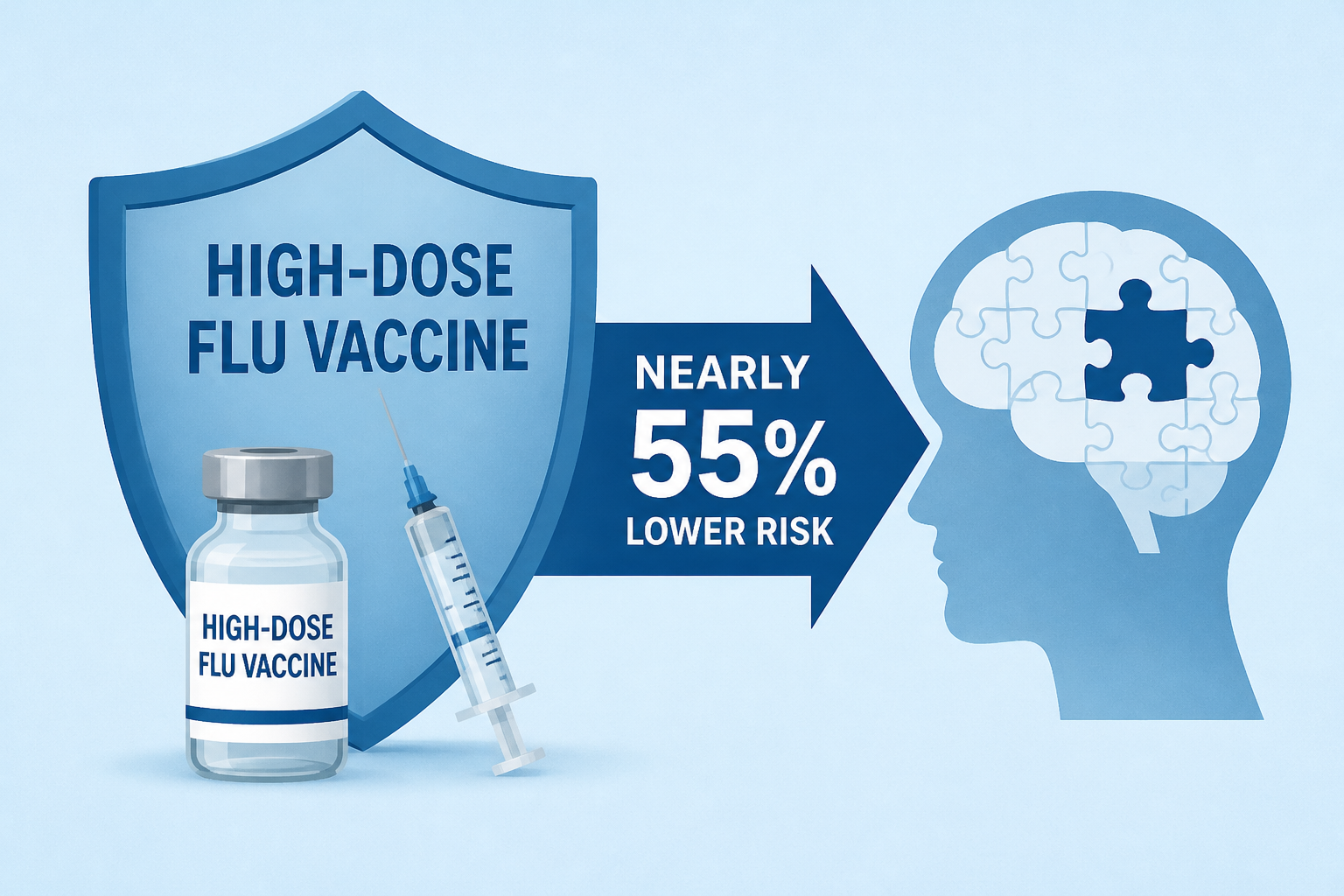
A High-Dose Flu Vaccine Is Linked to Nearly 55% Lower Alzheimer's Risk
ScienceAlert • • health
Key Points:
- A new study from the University of Texas Health Science Center at Houston found that adults aged 65 and older who received a high-dose flu vaccine had up to a 22% lower risk of developing Alzheimer's disease within two years compared to those who received a standard-dose flu shot.
- The study suggests that repeated annual high-dose flu vaccinations may extend this reduced risk, with a stronger protective effect observed in women than men.
- These findings align with previous research linking various vaccinations, including flu shots, to reduced dementia risk, though the study cannot prove causation and has limitations due to the short follow-up period relative to Alzheimer's progression.
- The CDC recommends high-dose influenza vaccines for people over 65 to elicit a stronger immune response, but awareness about the availability and benefits of this higher dose remains limited among physicians and the public.
- Researchers propose that vaccines might delay the onset of dementia symptoms by reducing inflammation rather than preventing the disease itself, highlighting the complexity of studying dementia prevention through vaccination.


