AI Image
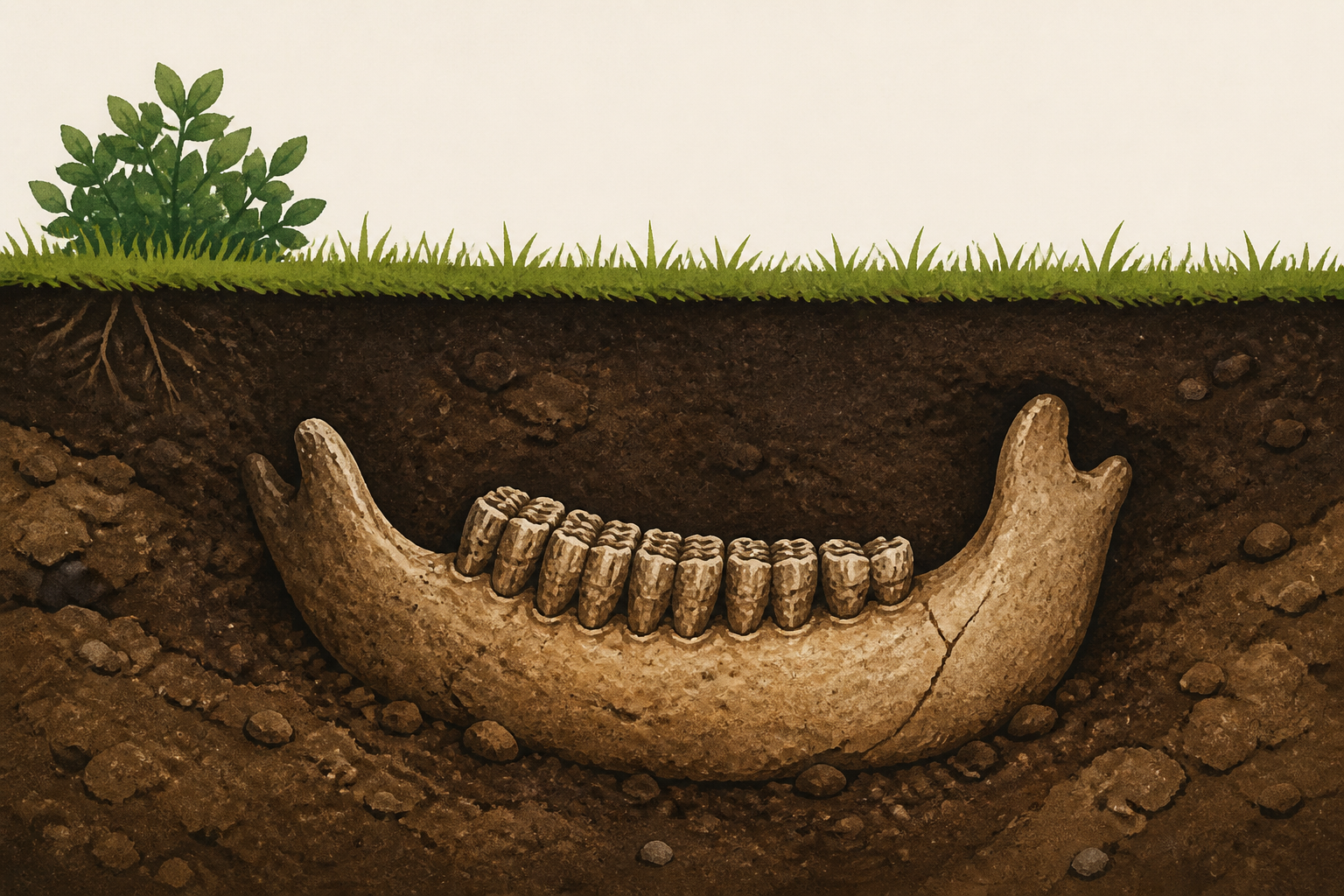
A New York homeowner found a complete mastodon jaw under his yard
futura-sciences.com • • science
Key Points:
- Researchers from the New York State Museum and SUNY Orange uncovered a lower jaw, toe bone, and rib fragment belonging to Mammut americanum, the American mastodon, in Orange County, New York.
- The molar shape, featuring raised, rounded cusps, distinguished the mastodon from mammoths, whose flat, ridged teeth were adapted for grinding grasses.
- Orange County's glacial wetlands preserved many Ice Age fossils, with over 150 mastodon finds documented in New York, due to sediment burial in oxygen-poor environments that halted decay.
- Laboratory analysis, including radiocarbon dating and isotope testing, will determine the fossil's precise age and provide insights into the mastodon's diet and ancient climate conditions.
- This discovery highlights how routine activities like yard work can lead to significant paleontological findings, enriching understanding of New York's prehistoric environment.


