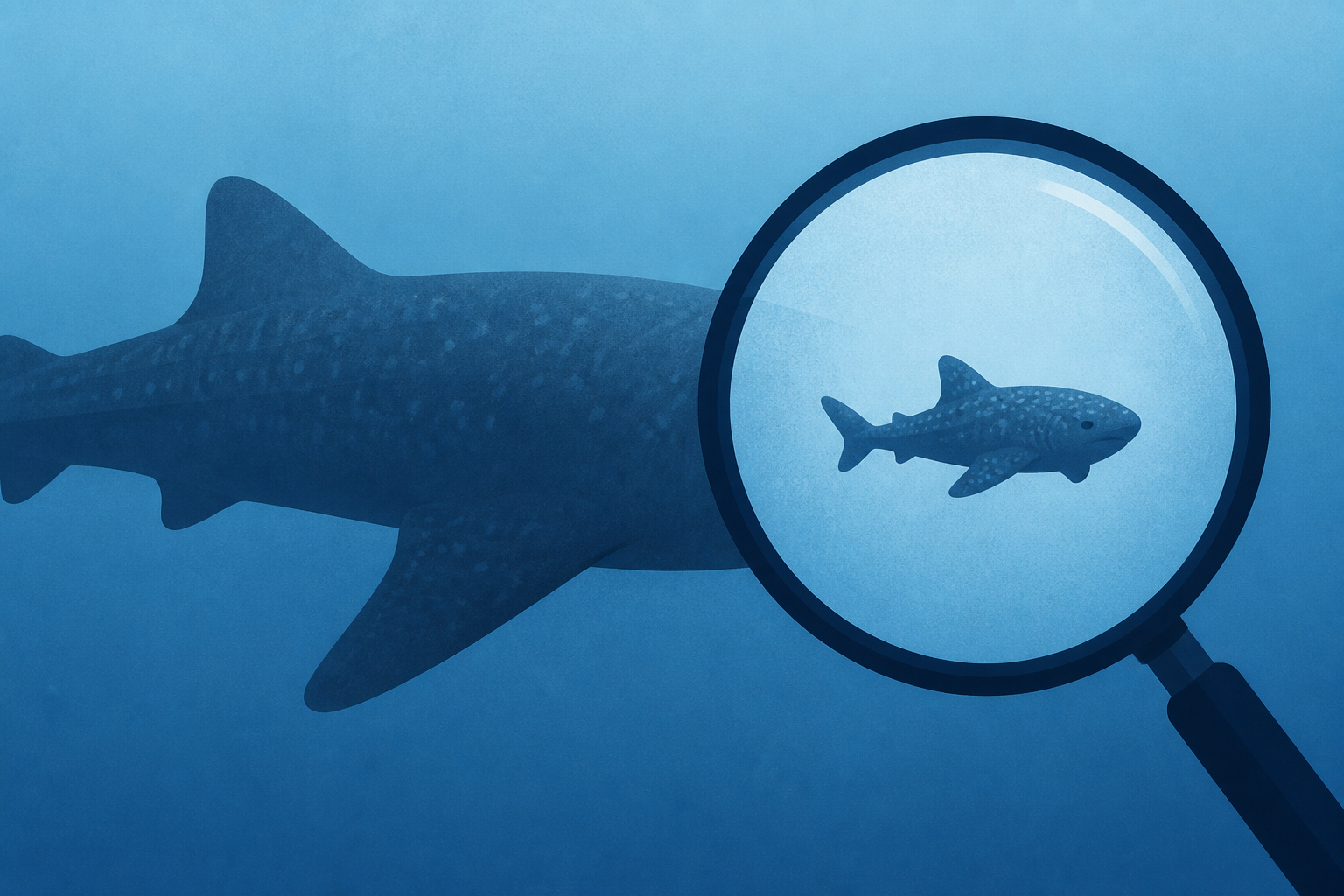
AI Generated Image
A rare baby sighting could reveal where life begins for world's largest sharks
BBC • • world
Key Points:
- A rare discovery of a four-month-old newborn whale shark in Saleh Bay, Indonesia, offers new insights into the elusive birthing grounds of this giant species, which has never been observed mating or giving birth.
- Saleh Bay's sheltered, nutrient-rich environment provides an ideal nursery habitat for juvenile whale sharks, offering abundant food and protection from predators, suggesting it may be a critical early-life refuge.
- Whale sharks are the largest fish species, capable of globe-spanning migrations, but their populations have declined by over 50% since the 1980s, leading to their classification as endangered.
- Scientific evidence indicates whale sharks are ovoviviparous, giving birth to live pups after hatching eggs internally, with females capable of storing sperm to fertilize multiple offspring over time.
- Conservation efforts, including the proposed establishment of a marine protected area in Saleh Bay, aim to safeguard key habitats to support whale shark recovery amid threats from climate change, fishing, and shipping.


