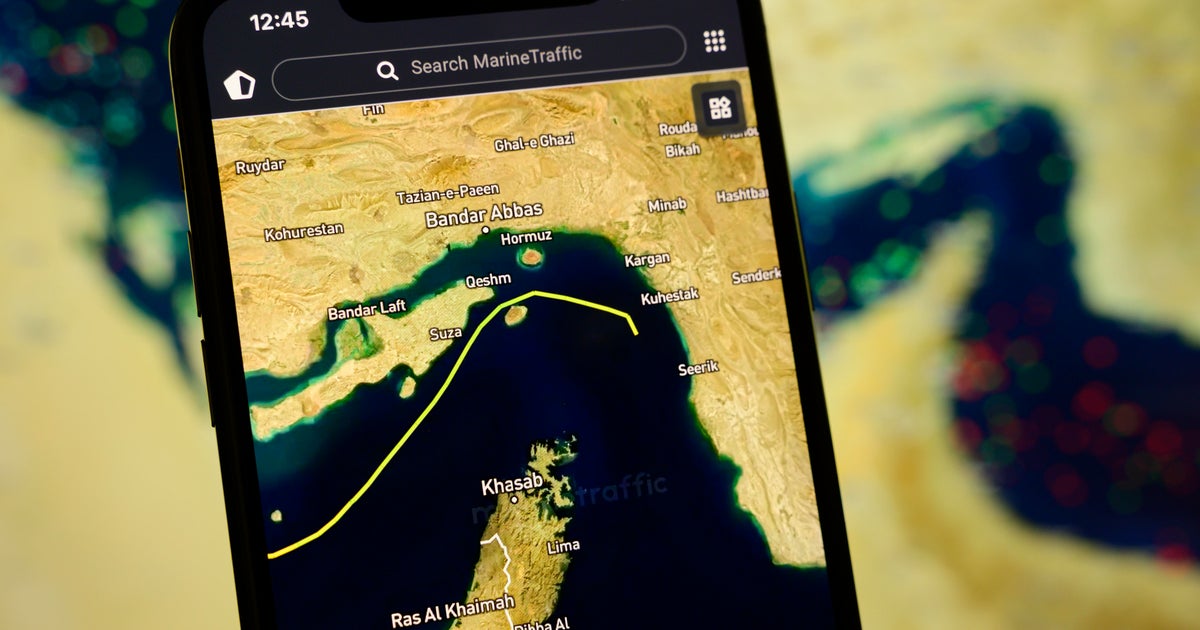
A Strait of Hormuz "toll" would pose major economic and geopolitical risks, experts say
CBS News • • general
Key Points:
- Iran's Islamic Revolutionary Guard Corps has established a de facto toll system in the Strait of Hormuz, requiring vessels to submit documentation, obtain clearance, and accept escorted passage, with some ships reportedly paying fees in Chinese yuan.
- Although Iran has not officially imposed a toll, it has indicated plans to charge vessels a fee under a potential long-term peace deal to guarantee safe passage through the strategic waterway.
- The Strait of Hormuz, a critical route for about 20% of the world's oil and liquefied natural gas supply, has seen drastically reduced tanker traffic amid tensions, contributing to elevated global oil prices hovering above $95 per barrel.
- Analysts suggest that while a $1 per barrel toll would add costs, it would not significantly impact global oil prices due to low production costs in the region; however, Iran's control of the strait introduces ongoing geopolitical risk and a permanent risk premium on oil markets.
- Additional economic impacts include increased shipping insurance premiums and freight rates, which would raise energy costs for consumers, though experts emphasize that damage to Gulf oil and gas infrastructure poses a greater threat to global energy prices.


