AI Image
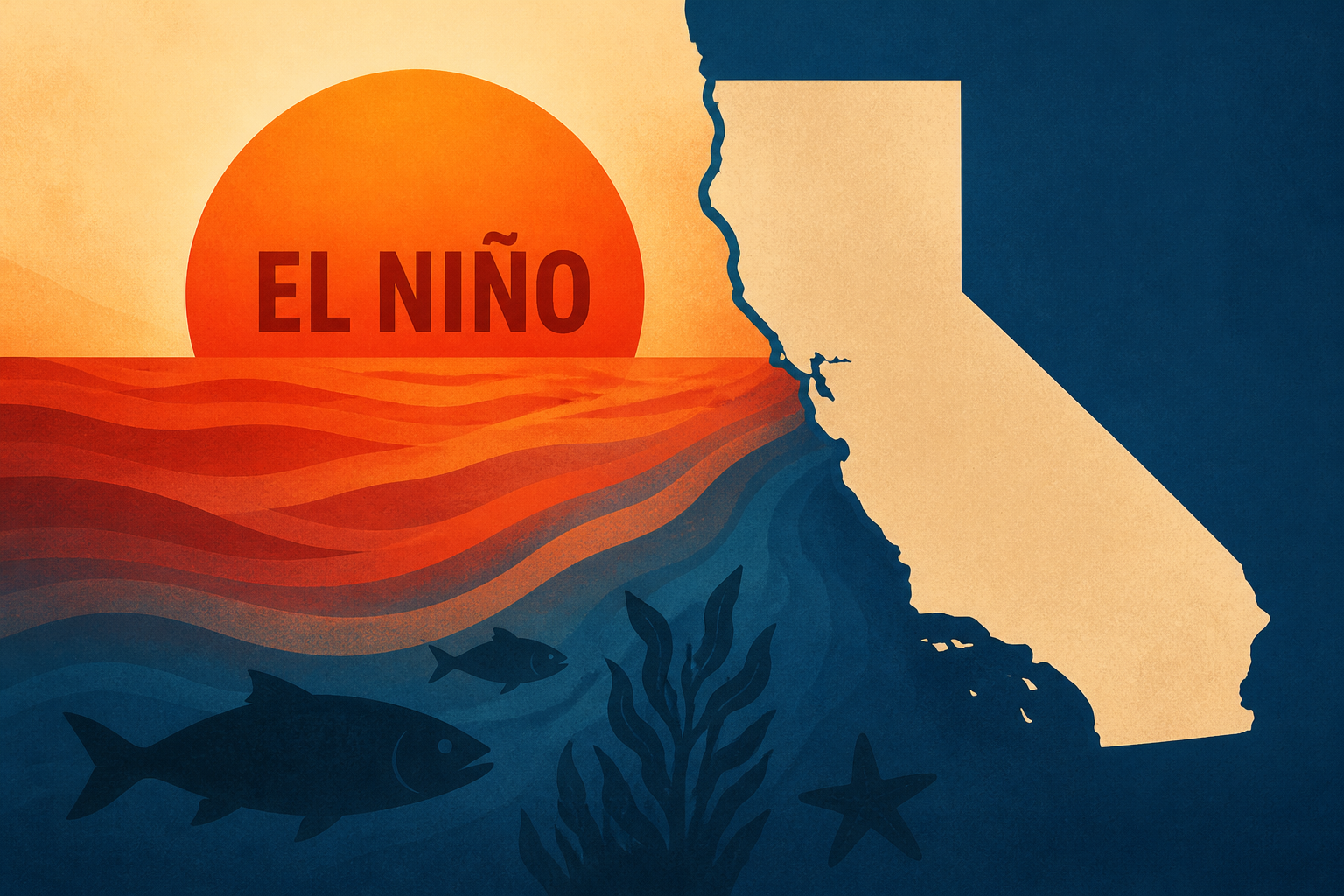
A super El Niño brings startling changes for marine life on California coast: ‘like nothing we’ve ever seen’
The Guardian • • nation
Key Points:
- Monterey Bay is experiencing severe ecological impacts from a historic El Niño event, with soaring ocean temperatures and rising tides disrupting marine life and coastal ecosystems.
- Ocean temperatures at the thermocline have risen by 8°C above average, causing a drastic decline in phytoplankton populations and the collapse of kelp forests, which are critical habitats supporting about 40% of species in the area.
- Starvation and mass mortality among seabirds such as common murres, brown pelicans, and Brandt’s cormorants are linked to fish moving to deeper waters due to warming, signaling a potentially devastating winter for these populations.
- Coastal squeeze from seawalls and rising sea levels is reducing beach habitats essential for species like the western snowy plovers, compounding the ecological stress caused by El Niño and habitat loss.
- Restoration efforts, including kelp cultivation at Moss Landing Marine Laboratories, show promise in mitigating some damage, with recent increases in kelp canopy and improved preparedness from a decade of research on El Niño impacts.


