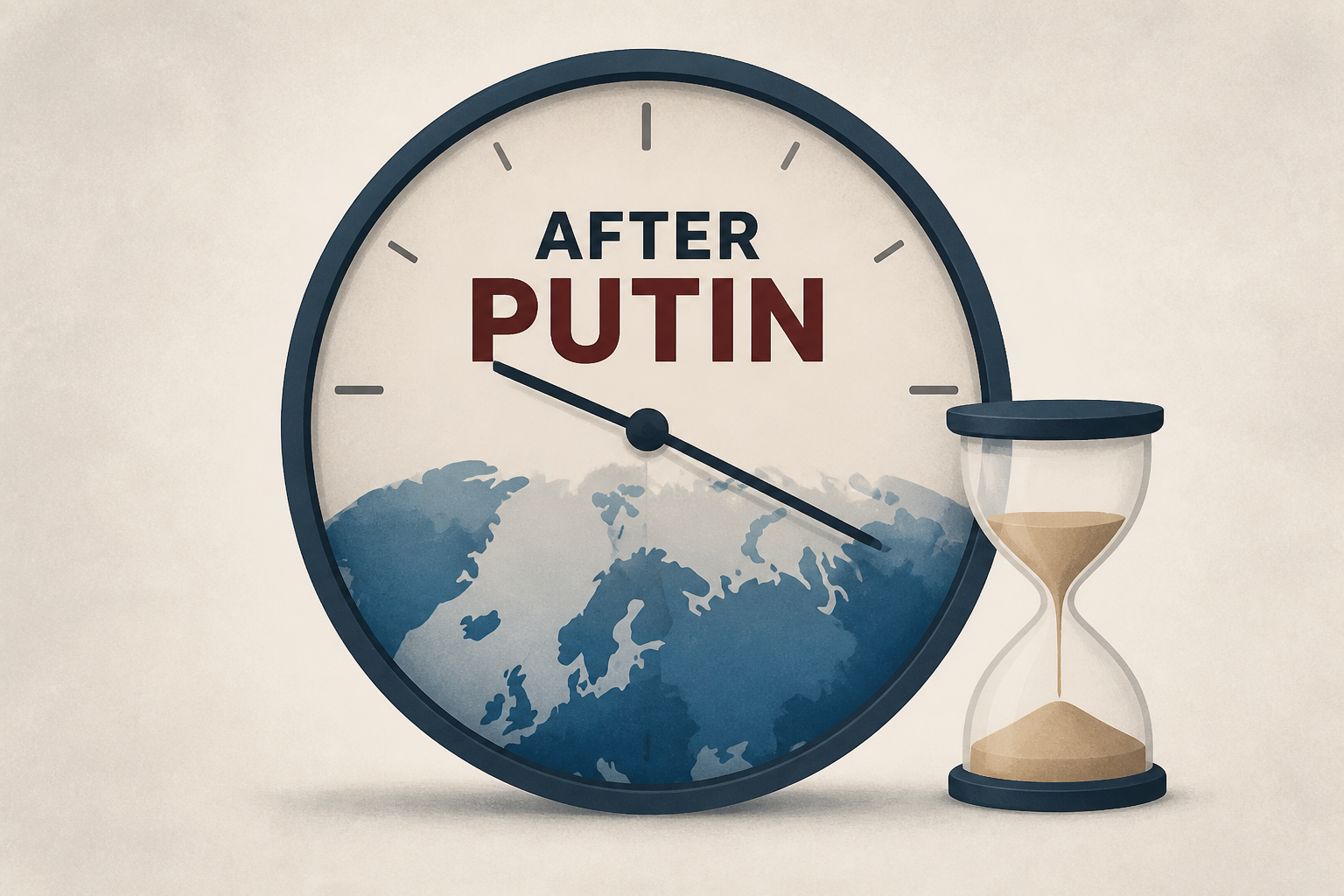
AI Generated Image
After Putin
Foreign Affairs • • world
Key Points:
- Russian President Vladimir Putin’s aging regime lacks a clear succession plan, raising concerns about a potentially chaotic power struggle or continued stagnation when he eventually leaves office.
- Putin’s close circle of elderly allies, many in their 70s, dominate key state institutions, blocking younger generations from gaining political experience and influence necessary for a smooth transition.
- The formal constitutional process requires a transitional election within three months of a presidential vacancy, but informal power dynamics among a small elite "selectorate" will likely determine Putin’s successor.
- Historical parallels to the Soviet succession after Stalin’s death suggest a prolonged and unstable contest for power among entrenched elites, complicated by the advanced age and limited energy of current Russian power brokers.
- The exclusion of younger political actors and introduction of elite family members into positions of power may fuel intergenerational conflict, increasing the risk of instability during Russia’s eventual leadership transition.


