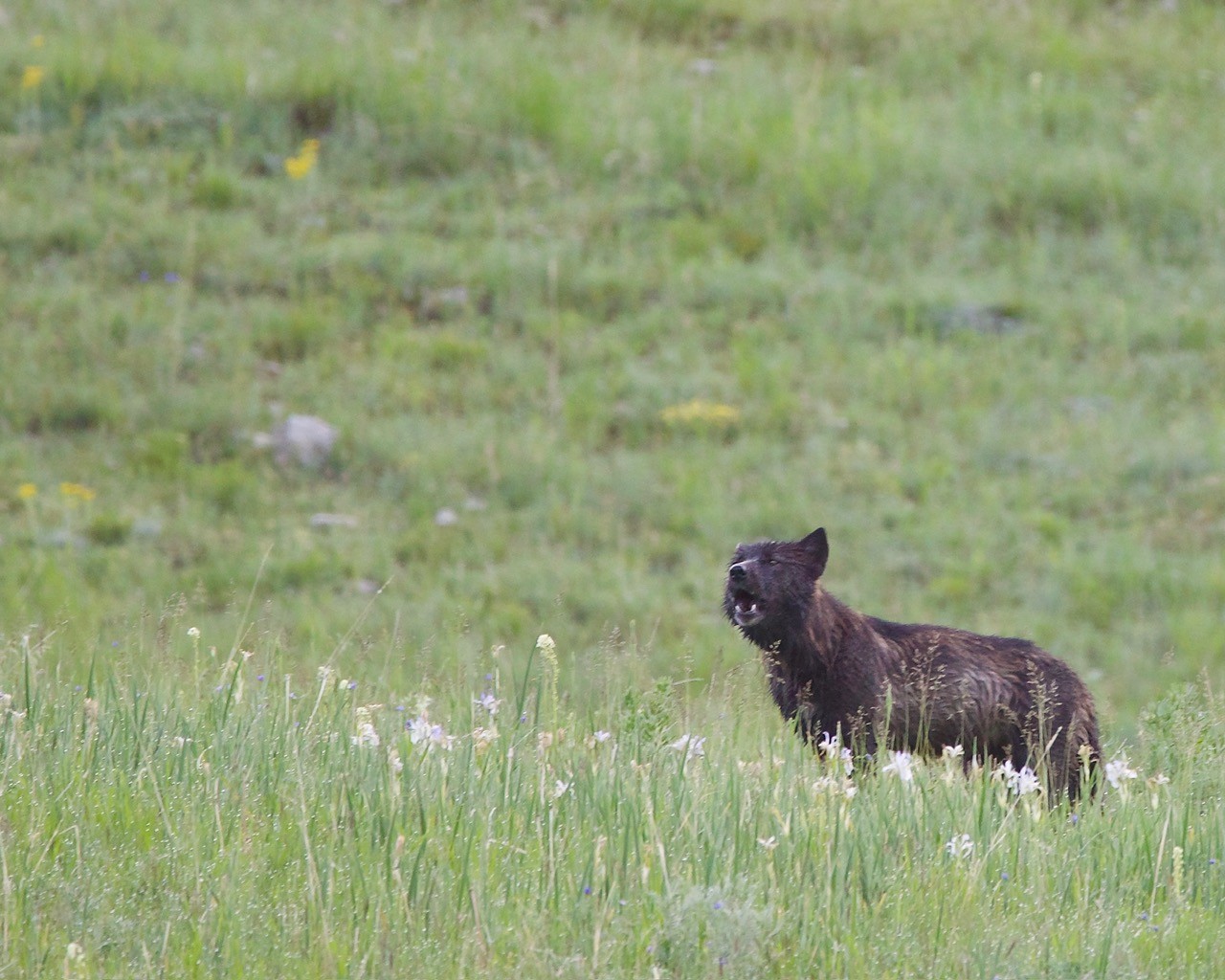
AI recordings could become the Google Nest cameras of the wild
SFGATE • • health
Key Points:
- The "Cry Wolf" project in Yellowstone National Park uses 50 audio recorders combined with AI technology to continuously monitor wolf vocalizations across 500,000 acres, providing unprecedented data on wolf behavior and communication.
- The project has amassed over 200,000 hours of recordings, creating the largest database of wolf sounds globally and enabling researchers to identify distinct acoustic signatures of different wolf packs.
- This audio monitoring approach offers a less invasive, safer, and more cost-effective alternative to traditional wolf tracking methods like GPS collars and aerial surveys.
- The technology reveals new insights, such as wolves predominantly howling at night year-round and possessing unique individual vocalizations, which may improve population estimates and pack identification.
- Beyond wolves, project lead Jeff Reed envisions expanding sound recording technology to monitor broader wildlife activity and human impacts on public and private lands, leveraging advancements similar to home security devices.


