AI Generated Image
AI’s Electricity Demand Is Not the Real Problem. Its Inflexibility Is
Crude Oil Prices Today | OilPrice.com • • business
Key Points:
- Global data centers consumed around 485 terawatt-hours (TWh) of electricity in 2025, expected to nearly double to 950 TWh by 2030, with AI-focused facilities potentially tripling their consumption, but data centers will still only represent about 3% of global electricity demand by 2030.
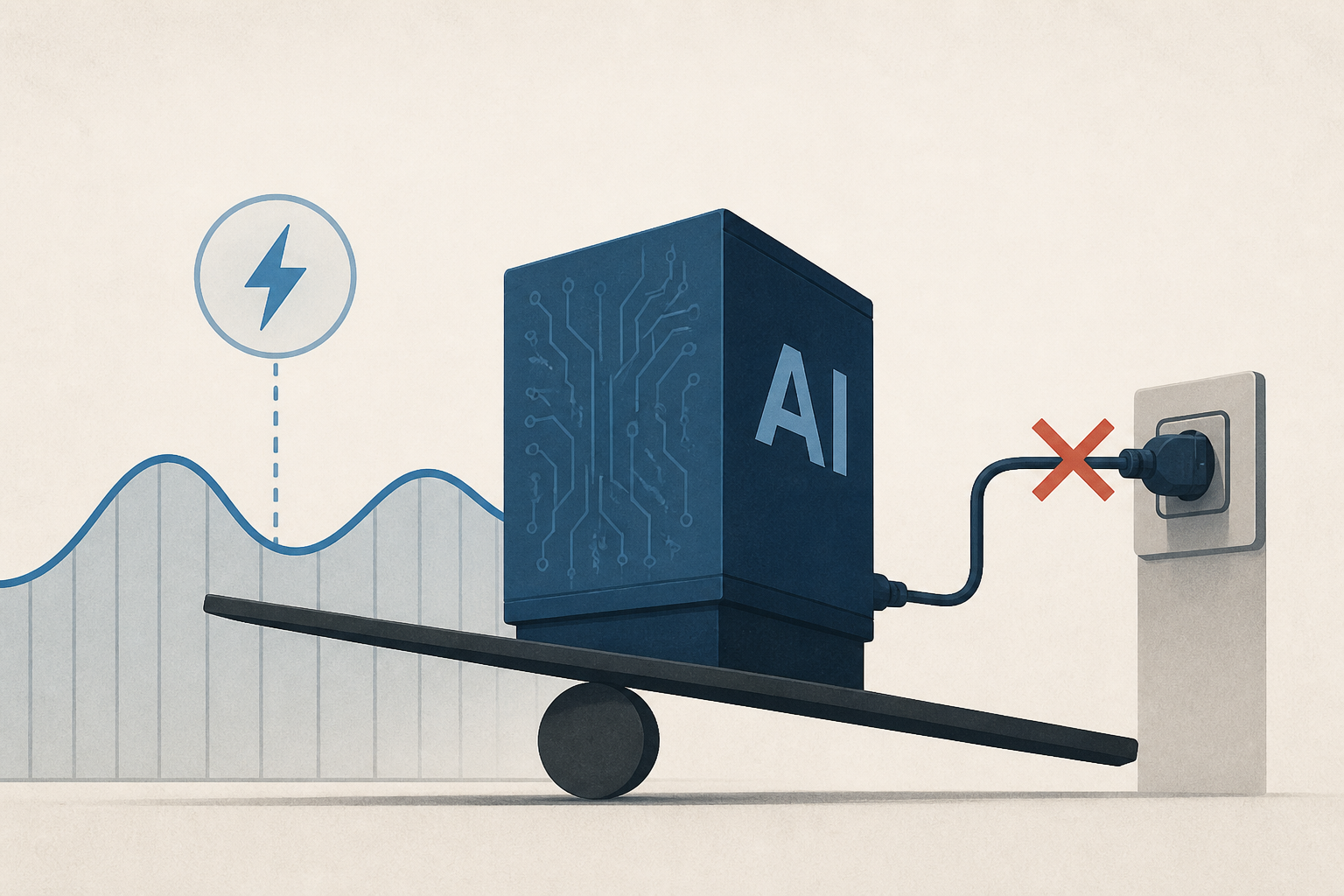
- The main challenge is the inflexibility of AI demand, as large data centers require significant power in specific locations and short timeframes, which can strain local grids due to long lead times for grid and power plant expansions.
- Unlike broadly distributed electricity loads like electric vehicles and air conditioning, AI campuses cluster demand in concentrated areas, causing potential bottlenecks and delays in grid connections, with the IEA estimating 20% of planned data-center projects could face delays without addressing these issues.
- Flexibility in AI data center operations—such as shifting non-urgent workloads, using onsite batteries, or adjusting cooling—can reduce peak grid demand, helping avoid costly infrastructure upgrades; Google has already implemented 1 GW of such demand response in the U.S.
- A strategic approach to data center siting and design, integrating flexible contracts, local generation, and heat recovery, alongside new power generation investments, is crucial to efficiently accommodate AI power needs without overburdening the electricity system or increasing costs.


