AI Generated Image
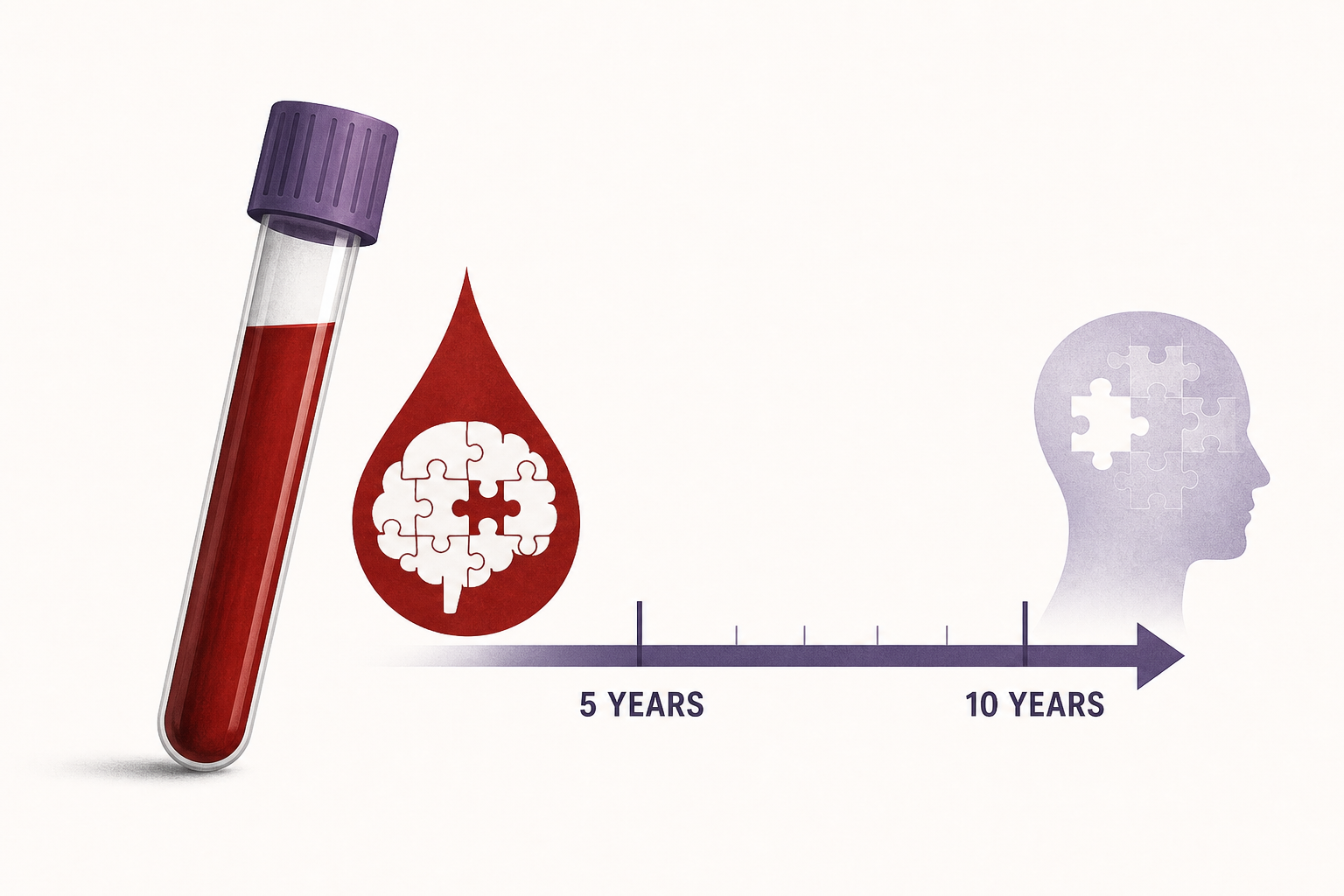
Alzheimer's blood test may predict who's likely to develop symptoms in 5 to10 years
CBS News • • general
Key Points:
- Researchers have identified a blood test measuring p-tau217 that may predict the likelihood of healthy older adults developing Alzheimer's symptoms within five to 10 years, potentially aiding in early identification for clinical trials.
- The study found that individuals with very high p-tau217 levels had a 38% risk of cognitive impairment over five years and a 78% risk over 10 years, while those with low levels had a correspondingly low risk.
- Experts caution that the test is not yet ready for routine use in healthy individuals, emphasizing lifestyle measures like diet, exercise, and mental engagement until effective preventive treatments become available.
- Limitations include a smaller sample size with full 10-year follow-up and potential confounding factors such as other health issues that may affect cognitive decline, making individualized prognosis premature.
- The test currently serves as a valuable research tool to accelerate drug development, but widespread clinical application awaits confirmation that early intervention therapies can alter disease progression.


