AI Generated Image
Americans Are Freaking Out Over China's Open-Source AI Strategy
Business Insider • • general
Key Points:
- China's Moonshot AI recently released Kimi K3, an AI model that competes with leading US models at a much lower cost, sparking concerns about China's progress in the AI market.
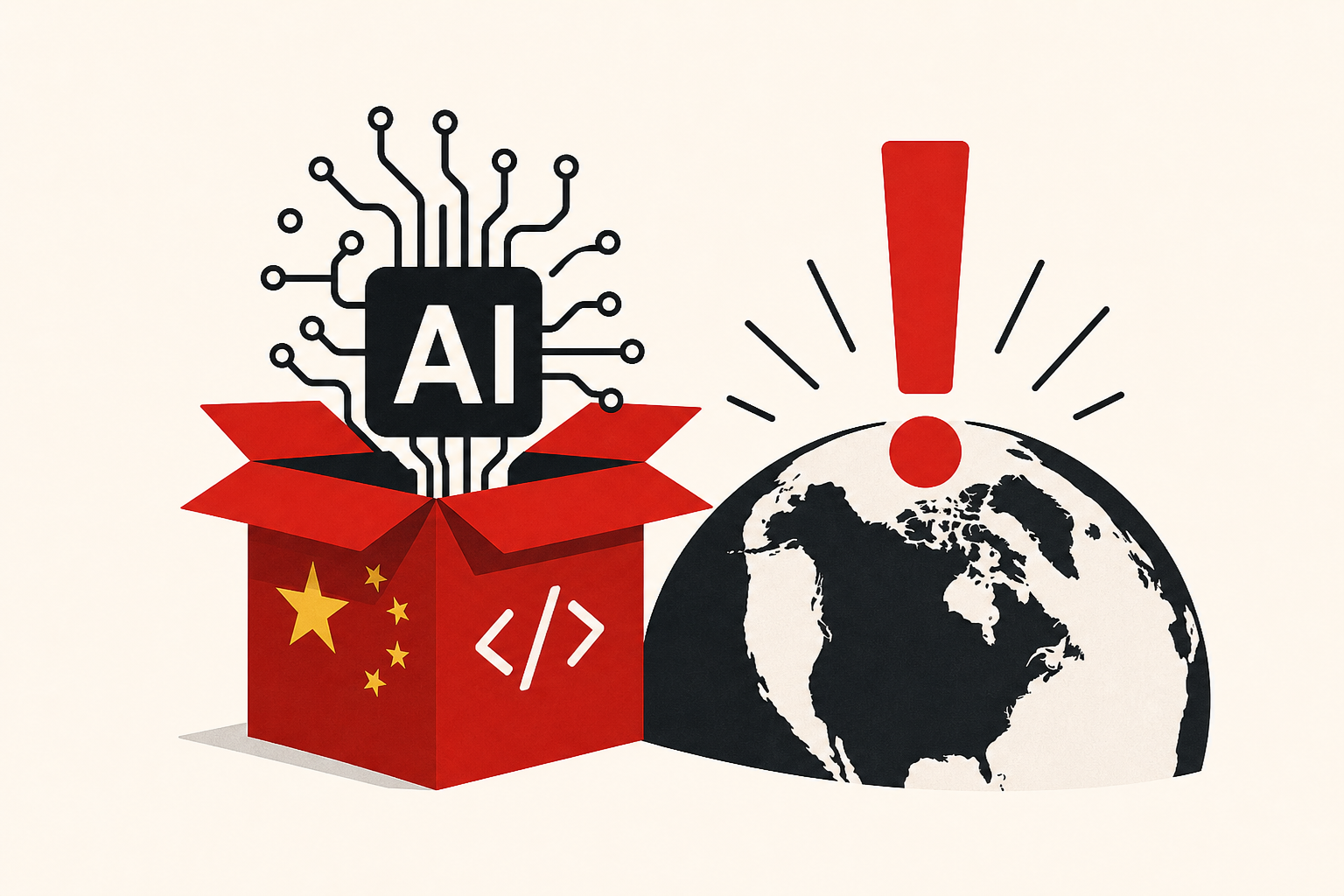
- The US-China AI tension highlights differing strategies: China favors open-source or open-weight models, while US companies like OpenAI and Anthropic prefer closed systems for greater control and security.
- Dean Ball, OpenAI's head of strategy, predicted increased regulatory risks around open-weight Chinese models to discourage their use by American companies, a stance criticized as potential regulatory capture favoring US AI duopolies.
- Critics argue that banning open-source models would hinder American innovation, emphasizing that US labs have benefited from global data without compensation and that open-source approaches are vital for future AI development.
- Some analysts contend that open-source models do not guarantee market dominance, citing examples where proprietary efficiencies, not openness, drive competitive advantage, and note Chinese firms manage costs effectively despite compute limitations.


