AI Image
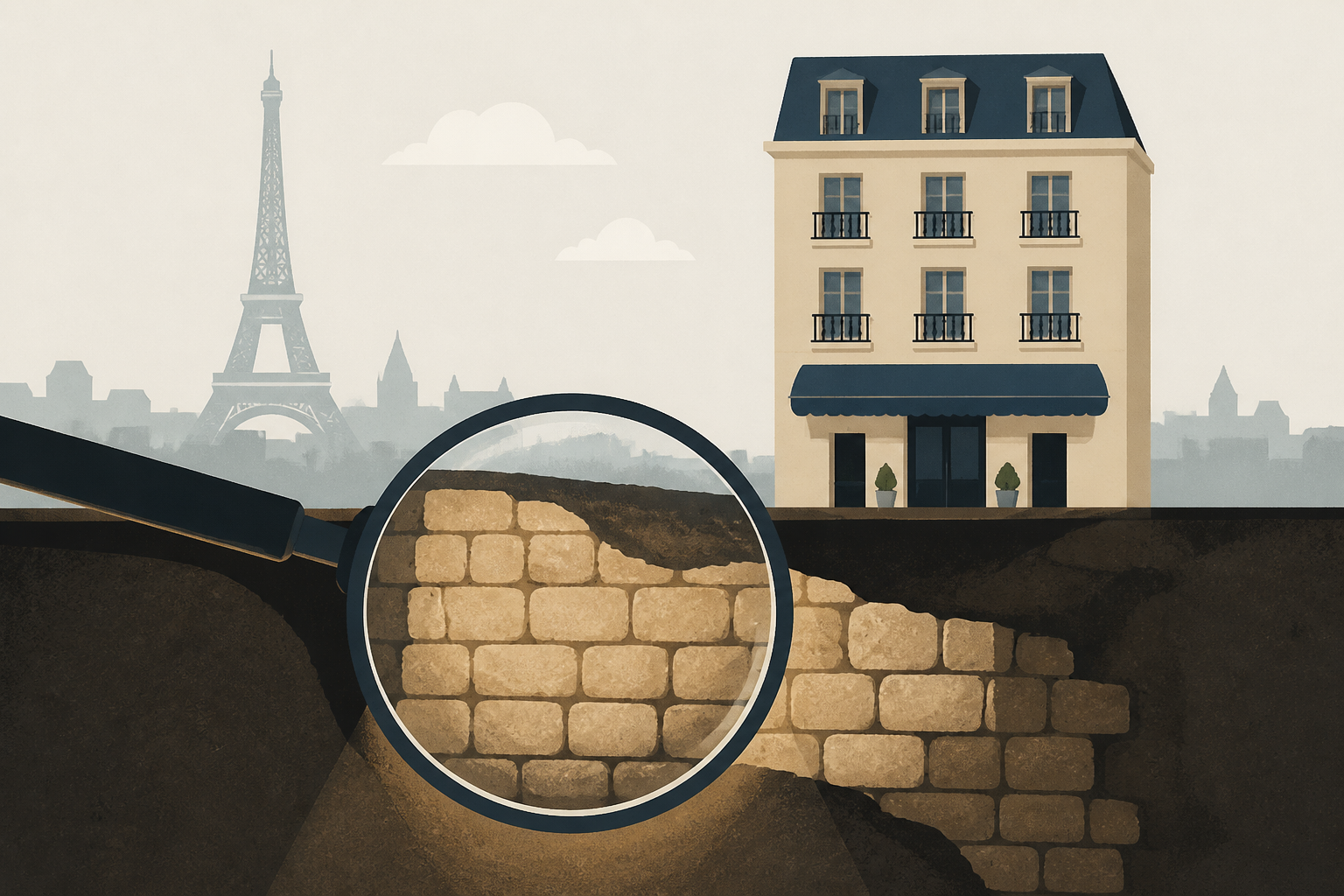
An ancient wall discovered beneath a Paris hotel could confirm the city's origins: "Major breakthrough"
CBS News • • general
Key Points:
- A 65-foot Gallo-Roman wall was discovered beneath a hotel on Paris's Ile de la Cite, potentially confirming the location of the ancient city of Lutetia, the original settlement of Paris.
- The wall, believed to be part of the ramparts built by the Gallic Parisii tribe, shows traces of fire that may align with Julius Caesar's account of the Gauls burning their town before the Battle of Lutetia in 52 B.C.
- Carbon dating estimates the charred remains to date between 10-200 B.C., fitting the historical timeframe of Lutetia and supporting the theory that the Ile de la Cite was the city's center.
- The discovery is considered a major archaeological breakthrough by France's culture ministry, although further verification of the wall’s function and chronology is ongoing.
- The Ile de la Cite, also home to Notre Dame Cathedral, has been a rich archaeological site, with recent finds including fourth-century coins, inscriptions, and medieval tombs.


