AI Image
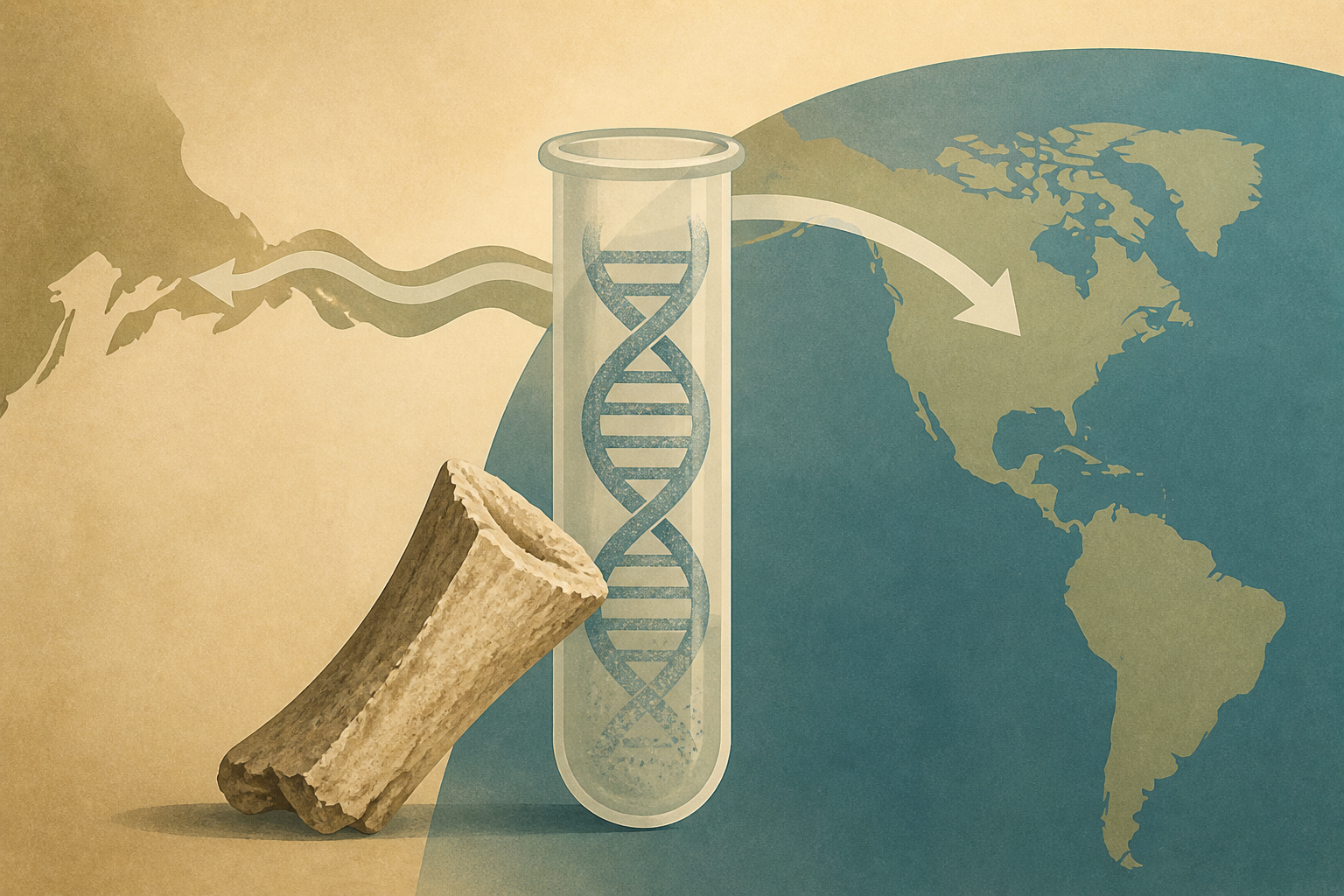
Ancient DNA suggests humans reached America far earlier than previously thought
Yahoo • • science
Key Points:
- A research review led by Bethany Potter supports an initial migration of ancestors of most living Indigenous Americans between 20,000 and 14,000 years ago, predating the opening of an inland ice-free corridor in North America.
- Genetic evidence indicates ancestral population splits occurred before the interior passage was available, suggesting early migration likely used a Pacific coastal route and involved a period of isolation known as the Beringian Standstill.
- The oldest sampled human genome from the Americas dates to about 12,800 years ago, but genetic branching points to population divergences occurring thousands of years earlier, although the exact locations of these events remain unresolved.
- Archaeological findings, such as 23,000-year-old footprints at White Sands, New Mexico, imply earlier human presence, but no ancient genomes matching such early dates have been found, leaving questions about earlier populations’ connections to later Indigenous peoples.
- The review emphasizes the complexity of multiple migrations, later dispersals, and genetic mixing over time, highlighting the need for collaboration with Indigenous communities and further ancient DNA and archaeological research to clarify the timing and routes of early human arrivals in the Americas.


