AI Image
Ancient teeth pose a mystery. The answer might be betel nuts : NPR
NPR • • world
Key Points:
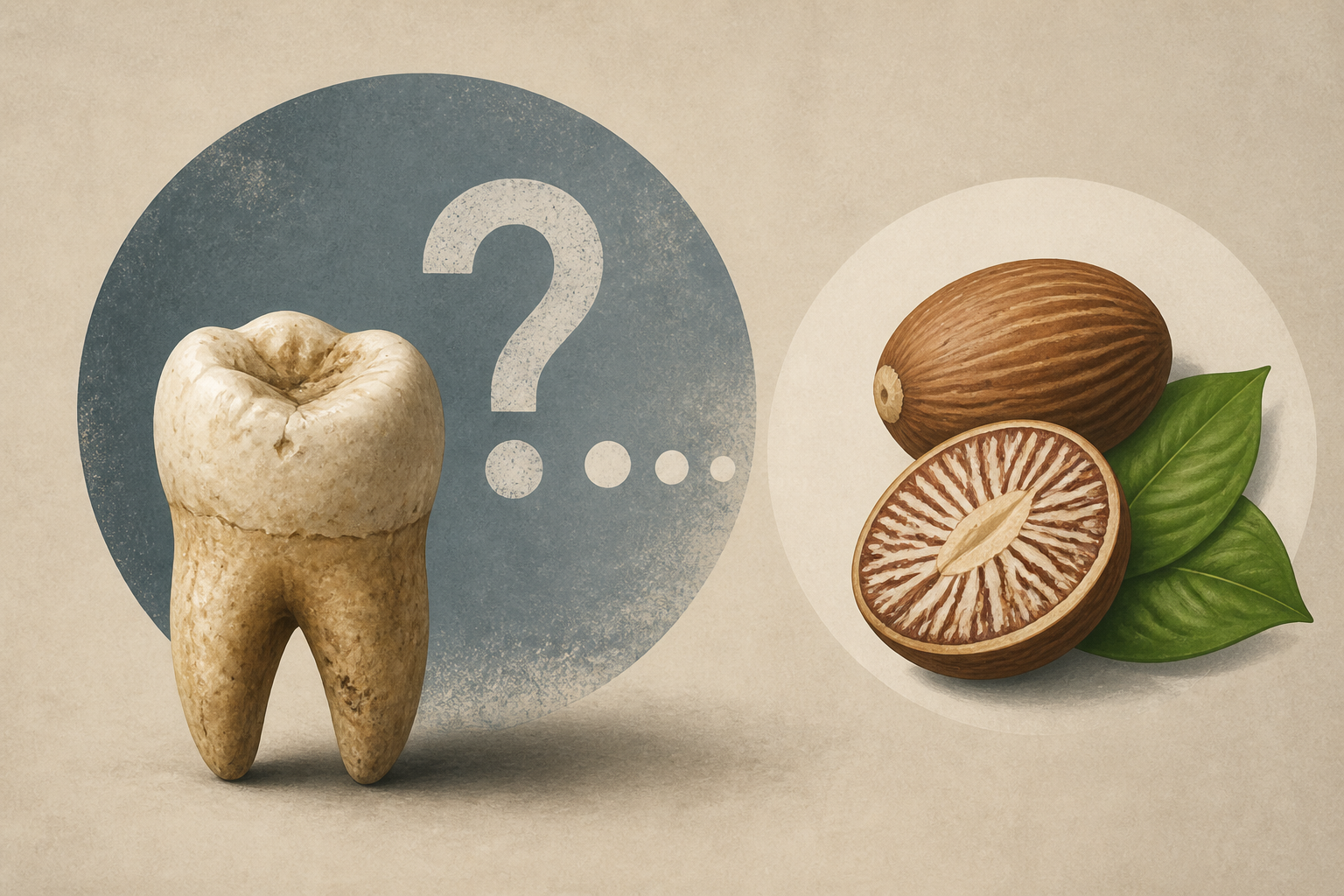
- A new study in Science Advances reveals that the practice of betel nut use dates back at least 25,000 years, with ancient hunter-gatherers likely sucking on the nuts for their pain-relieving effects rather than chewing them.
- Researchers discovered unusual grooves in ancient teeth from Sulawesi, Indonesia, which were consistent with prolonged sucking on hard, round objects like betel nuts, supported by chemical evidence of betel nut compounds in dental tissues.
- Experiments showed that sucking on betel nuts releases arecoline, a psychoactive chemical that affects brain receptors, suggesting ancient humans experienced physiological effects that may have led to addiction.
- While the study offers compelling evidence, some anthropologists urge caution, noting the need for more direct archaeological context and considering alternative social or cultural reasons for betel nut use beyond pain relief.
- The research highlights the deep-rooted human tendency to experiment with mind-altering substances, with betel nuts ranking as the world's fourth most commonly used psychoactive substance after tobacco, alcohol, and caffeine.


