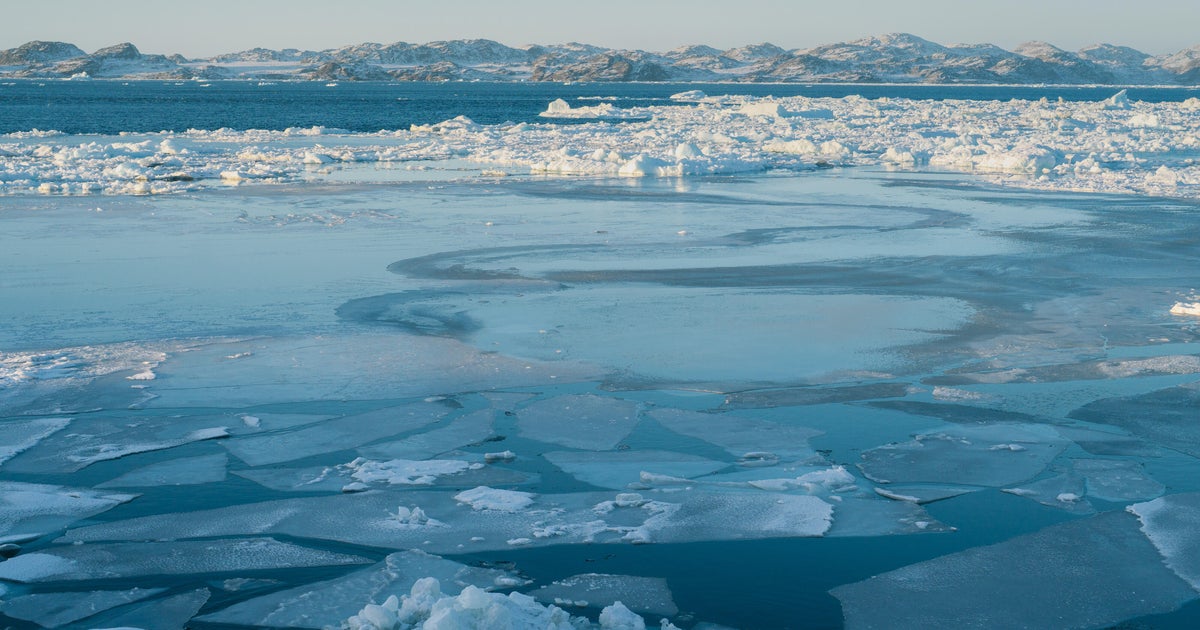
Arctic sea ice hits lowest winter level on record as warming Earth shatters records across the planet
CBS News • • nation
Key Points:
- Arctic sea ice reached a record low maximum for the winter season, tying the smallest extent measured, signaling a continuing downward trend linked to global warming, according to NASA and the National Snow and Ice Data Center.
- The reduced ice coverage accelerates spring and summer melting, potentially leading to faster and more extensive loss of sea ice, which is critical for reflecting sunlight and regulating Earth's climate.
- Extreme March heat records were broken across multiple continents, including the U.S., Mexico, Australia, and Northern Africa, with climatologists describing this as one of the most extreme global heat events in history.
- The decline in Arctic sea ice threatens wildlife such as polar bears and emperor penguins, which rely on ice for habitat, and may influence atmospheric patterns like the jet stream, contributing to more extreme weather events.
- Antarctic sea ice levels remain variable, influenced by local weather and ocean conditions, and while February's extent was below average, it was not as low as record lows seen in recent years.


