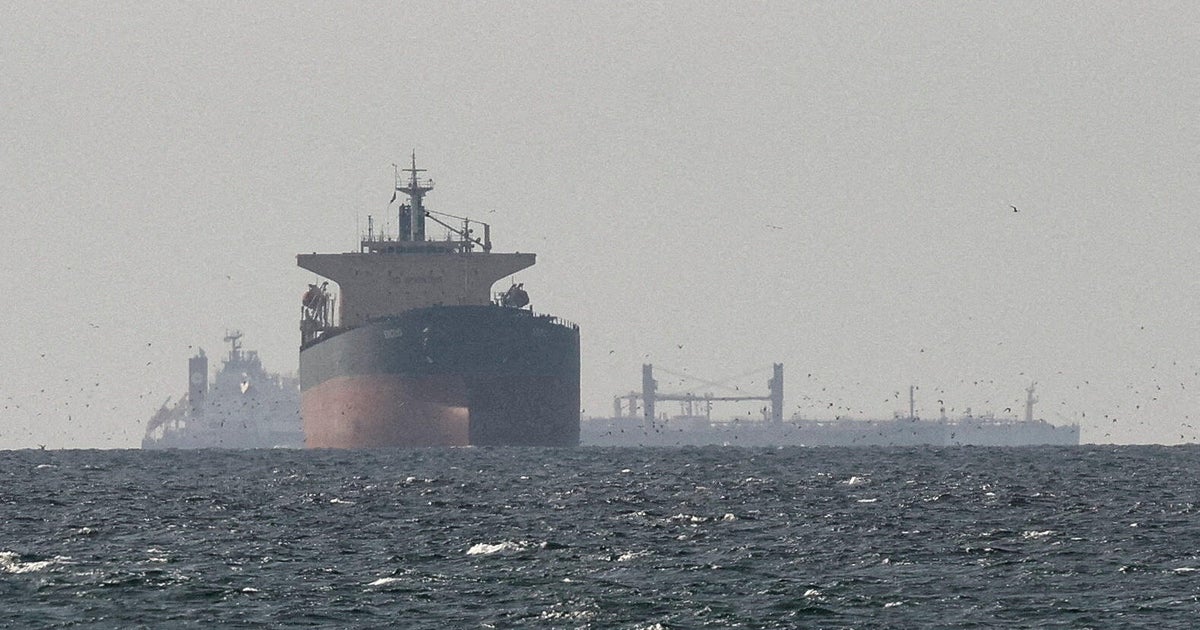
As Iran keeps the Strait of Hormuz locked down, it's borrowing from Ukraine's playbook
CBS News • • general
Key Points:
- Despite President Trump's threat to destroy Iran's energy infrastructure, the Strait of Hormuz remains effectively closed to vessels without Tehran's permission, raising doubts about the ability of military force to reopen this vital shipping lane.
- Ukraine's success in using inexpensive drones and missiles to neutralize the superior Russian Black Sea Fleet highlights the growing effectiveness of asymmetrical naval warfare dominated by unmanned systems, a tactic Iran appears to be adopting in the Strait of Hormuz.
- Traditional naval escorts may be ineffective against modern drone threats, as drones act like flying mines that are difficult to intercept, complicating efforts to secure safe passage through contested waters.
- Iran's demands for control over the Strait of Hormuz resemble a "private toll booth," a move unlikely to be accepted by the U.S. and Gulf allies, prolonging the standoff and its global economic impact.
- Although Iran is militarily outmatched and has faced numerous strikes, the closure of the strait is causing elevated global fuel prices and economic ripple effects, suggesting Iran is gaining leverage economically despite battlefield losses.


.jpg%3Fwidth%3D1200%26height%3D630%26fit%3Dcrop%26enable%3Dupscale%26auto%3Dwebp?format=webp&w=120&h=80)


