AI Image
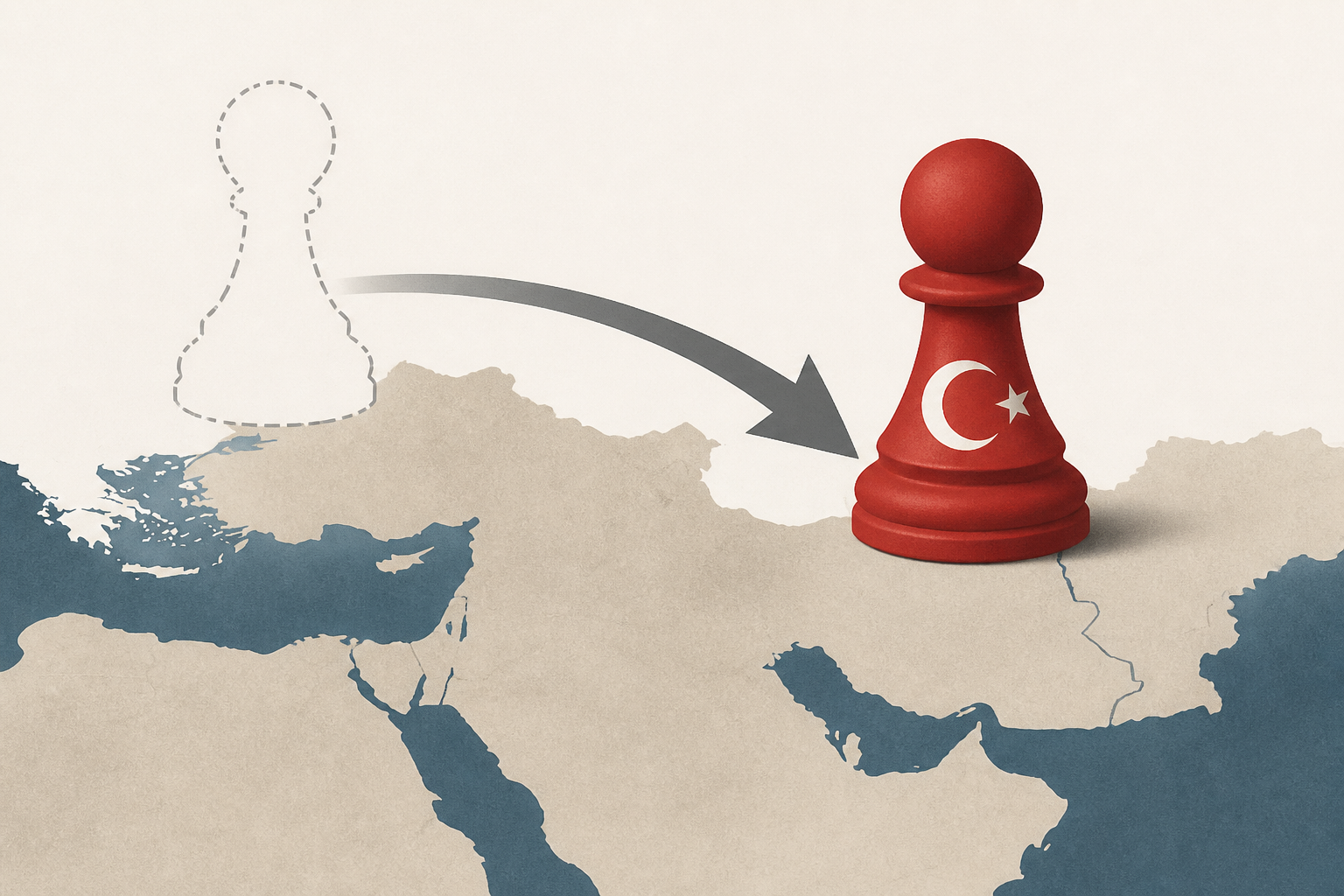
As the U.S. signals a smaller Middle East footprint, Turkey is ready to step in
NPR • • general
Key Points:
- On August 7, Saudi Arabia, Turkey, and Pakistan signed the Mecca Joint Defense Agreement, creating a "Sunni Security Triad" that commits the three nations to mutual defense and intelligence sharing, symbolizing a new regional security framework amid post-U.S. geopolitical uncertainty.
- Turkey, driven by its ambition to become a central Middle Eastern power, has expanded its military presence and influence through defense industry growth, cultural soft power, and mediation efforts, despite economic challenges and rising tensions with Israel.
- The agreement and Turkey's regional role come amid shifting dynamics following the Hamas attack on Israel and ongoing U.S.-Israeli conflicts with Iran, with growing speculation about a reduced U.S. military footprint in the Middle East.
- Israel views Turkey's expanding influence, particularly in Syria, as a strategic challenge, leading to military tensions and a deteriorating diplomatic relationship marked by harsh rhetoric and conflicting regional ambitions.
- The U.S. is seen as a key mediator capable of easing Israel-Turkey tensions, but political volatility and transactional leadership styles, especially under former President Trump, complicate prospects for a stable, long-term diplomatic resolution.


