AI Image
Autism and ADHD traits appear to follow different social paths to mental health problems
PsyPost • • health
Key Points:
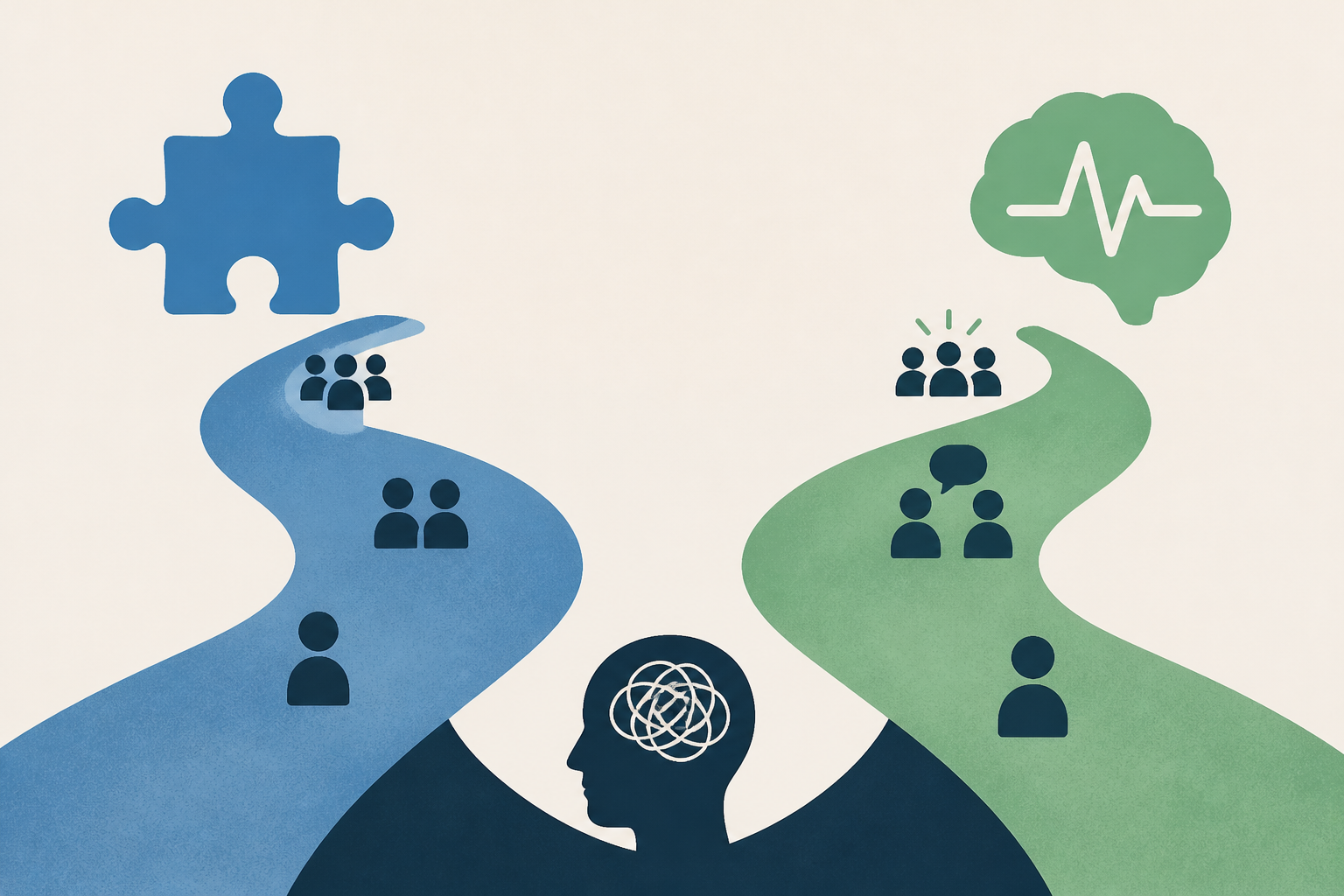
- A long-term study published in Psychological Medicine found that autistic and ADHD traits in children are linked to emotional and behavioral problems through complex, bidirectional social pathways involving difficulties with peers, schoolwork, and family relationships.
- Autistic traits were strongly associated with later peer problems and internalizing issues like anxiety and depression, whereas ADHD traits were linked to externalizing behaviors and academic struggles, which in turn predicted emotional distress.
- The study revealed self-reinforcing cycles where social difficulties and mental health problems influence each other over time, suggesting that neurodevelopmental traits and social experiences may dynamically interact rather than follow a simple cause-effect pattern.
- Researchers analyzed data from over 9,600 Japanese students surveyed annually from fourth to ninth grade, combining reports from children, parents, and teachers to track behavioral and emotional patterns across home and school environments.
- The authors emphasize the importance of considering both individual traits and social contexts in supporting children with mild ASD or ADHD characteristics, recommending early interventions targeting academic skills, peer relationships, and family-school communication to potentially disrupt negative developmental cycles.


