AI Image
BepiColombo’s long-awaited arrival at Mercury isn’t going quite as planned
CNN • • science
Key Points:
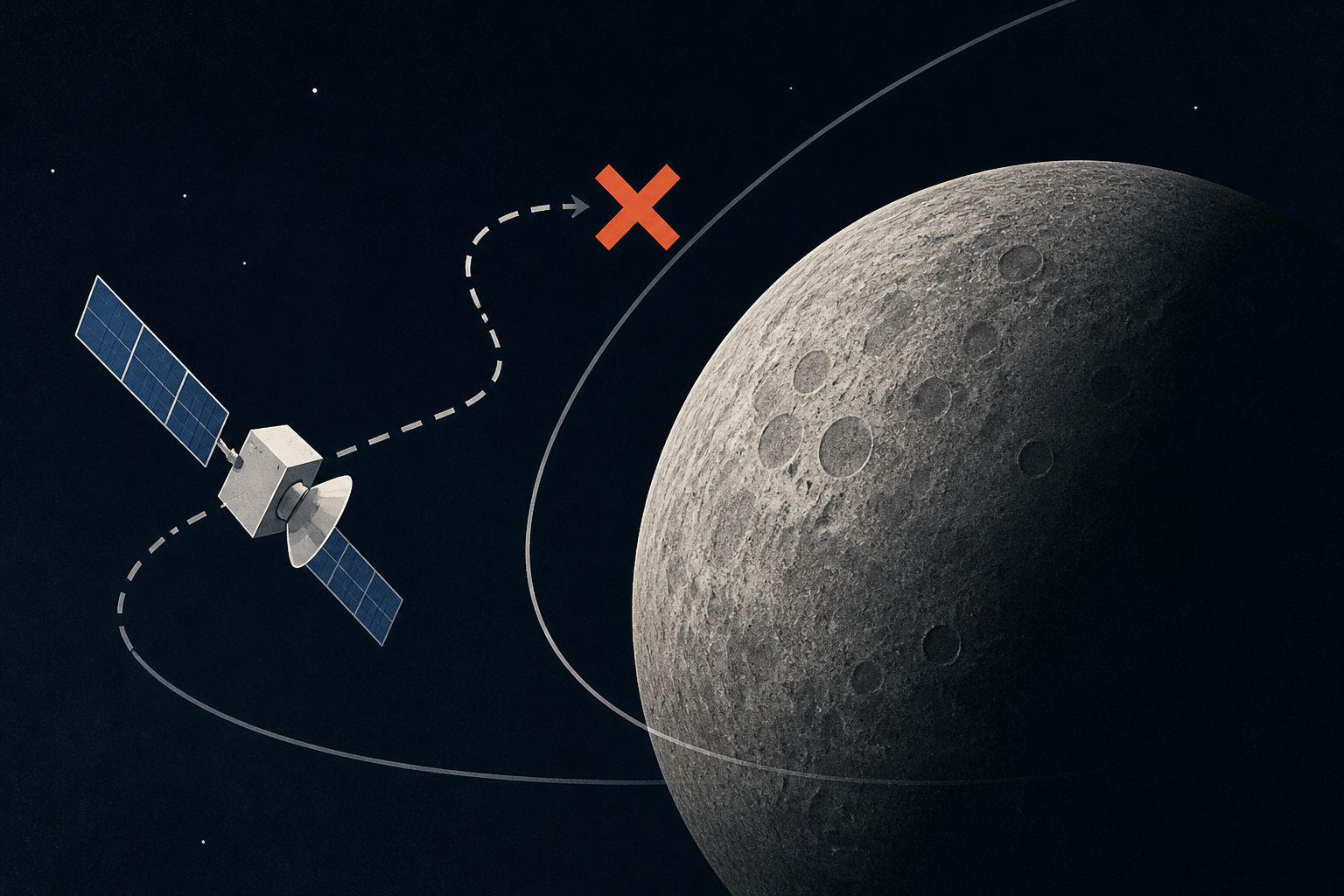
- BepiColombo, a $2 billion joint mission by the European Space Agency (ESA) and Japan Aerospace Exploration Agency (JAXA), entered Mercury orbit on November 21 after an eight-year journey, but its thruster burn ended prematurely, resulting in a longer-than-planned 75-hour orbit instead of the intended 58-hour orbit.
- The spacecraft’s partial thruster burn was caused by a timing mismatch between its guidance software and thruster controls, triggering a safe mode and interrupting the maneuver, though the probe remains operational and in orbit.
- The mission now faces a critical challenge as the two orbiters onboard must separate on December 9 to begin scientific operations, with trajectory adjustments complicated by the altered orbit and reduced margin for error.
- BepiColombo aims to provide new insights into Mercury’s unique characteristics, such as its size, density, magnetic field, and core, complementing previous NASA missions by covering both hemispheres with two orbiters carrying different instruments.
- Despite the recent issues, mission engineers remain cautiously optimistic but acknowledge the risks of operating in Mercury’s harsh environment and the possibility of further challenges as the spacecraft begins its science mission in 2027.


