AI Image
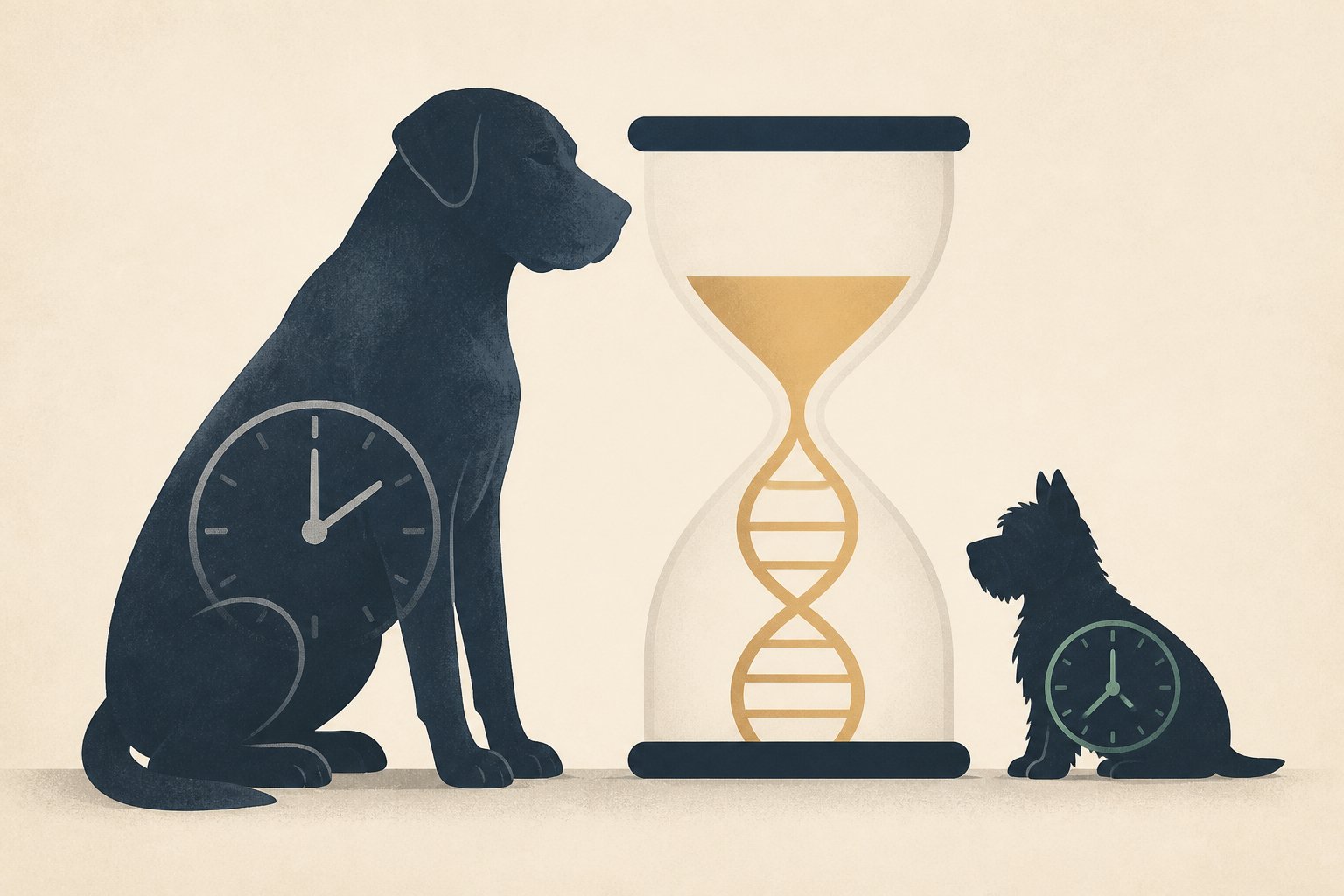
Big dogs age faster, die younger than smaller breeds. Scientists may have discovered
Ynetnews • • world
Key Points:
- Larger dog breeds tend to have shorter lifespans and age faster than smaller breeds, with Great Danes and mastiffs rarely living beyond 10 years, while Chihuahuas can live nearly twice as long.
- A study led by Arizona State University researchers found that faster aging in larger dogs is linked to a more rapid loss of DNA methylation, particularly in "jumping genes" called LINE1 transposons, which can cause genomic instability and age-related diseases.
- Larger breeds lose approximately 35% more LINE1 methylation per year than smaller breeds, suggesting reduced epigenetic control over these elements drives their accelerated aging.
- The study also uncovered sex-specific differences in LINE1 methylation on the X chromosome, with males showing higher methylation levels than females, indicating potential influences on sex-specific aging patterns.
- These findings highlight the role of epigenetics in aging and suggest that targeting transposable elements could be a promising approach to extending healthspan in both dogs and humans.


