AI Image
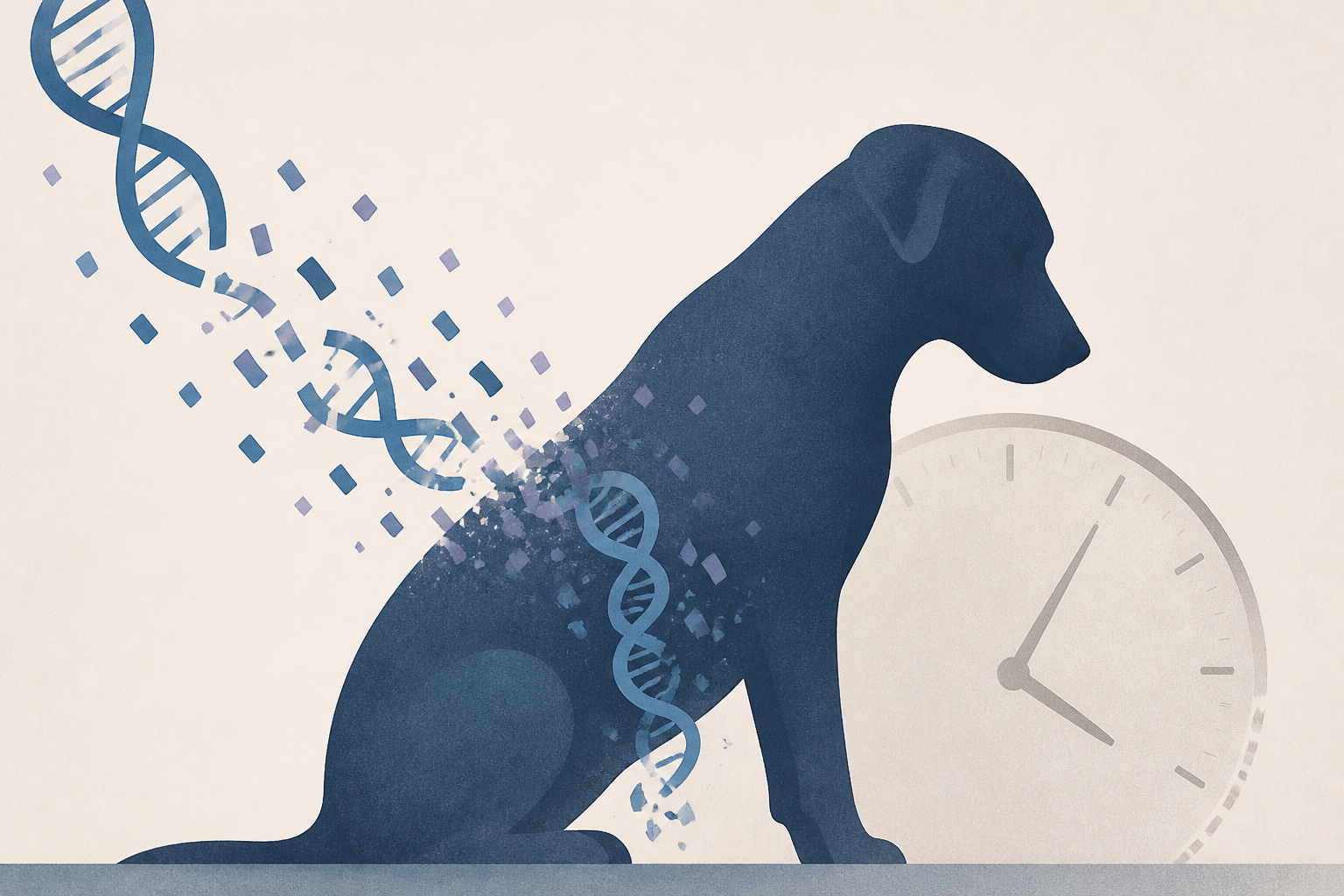
Big Dogs May Die Earlier Due to Unruly 'Jumping Genes'
Newser • • science
Key Points:
- A study published in Science analyzed blood samples from nearly 900 dogs in the Dog Aging Project to develop "epigenetic clocks," molecular indicators of biological age based on DNA methylation patterns.
- Researchers found that larger dogs' cells age faster than those of smaller dogs, with their epigenetic clocks ticking more quickly for each calendar year.
- A significant finding involved "jumping genes" (transposable elements), where larger dogs showed a loss of methyl tags that normally suppress these genes, potentially causing inflammation linked to aging.
- The study also suggests that aging in dogs is accompanied by a loss of immune cell specialization, which may reduce their ability to fight diseases.
- Scientists hypothesize that breeding for large size and rapid growth may have biological costs, and future research aims to refine these molecular clocks to better predict age-related health risks and provide insights into human aging.


