AI Image
Blood clots can affect women of any age - 4 warning signs you should never ignore
Women's Health • • health
Key Points:
- Venous thromboembolism (VTE), blood clots in veins, is a leading cause of death and disability, yet many people are unaware of its warning signs and risk factors.
- Blood clot risk increases during specific life stages such as while taking hormonal contraception containing oestrogen, during pregnancy and postpartum, and when using hormone-replacement therapy, especially forms containing oestrogen.
- Other risk factors include previous blood clots, inherited clotting conditions, smoking, reduced mobility, and certain medical conditions like heart failure, cancer, and diabetes.
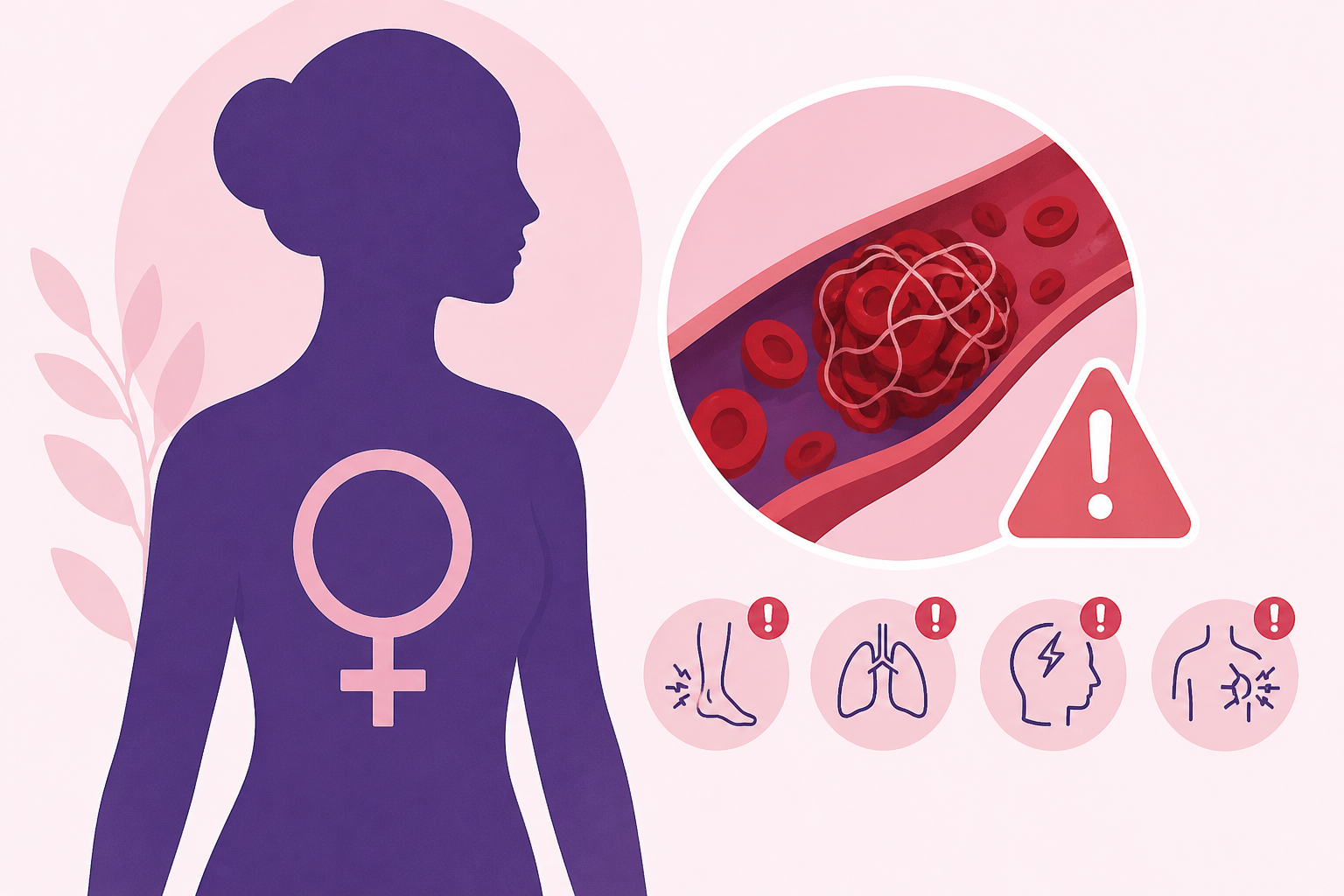
- Key symptoms of a blood clot include pain or tenderness in one leg (calf or thigh), swelling in one leg, skin warmth or discoloration, and swollen veins; emergency signs like sudden breathlessness, chest pain, coughing up blood, or collapse require immediate medical attention.
- Preventative care involves understanding personal risk changes over time and consulting healthcare professionals for individualized advice, especially for those with a history or family history of clotting problems.


