AI Generated Image
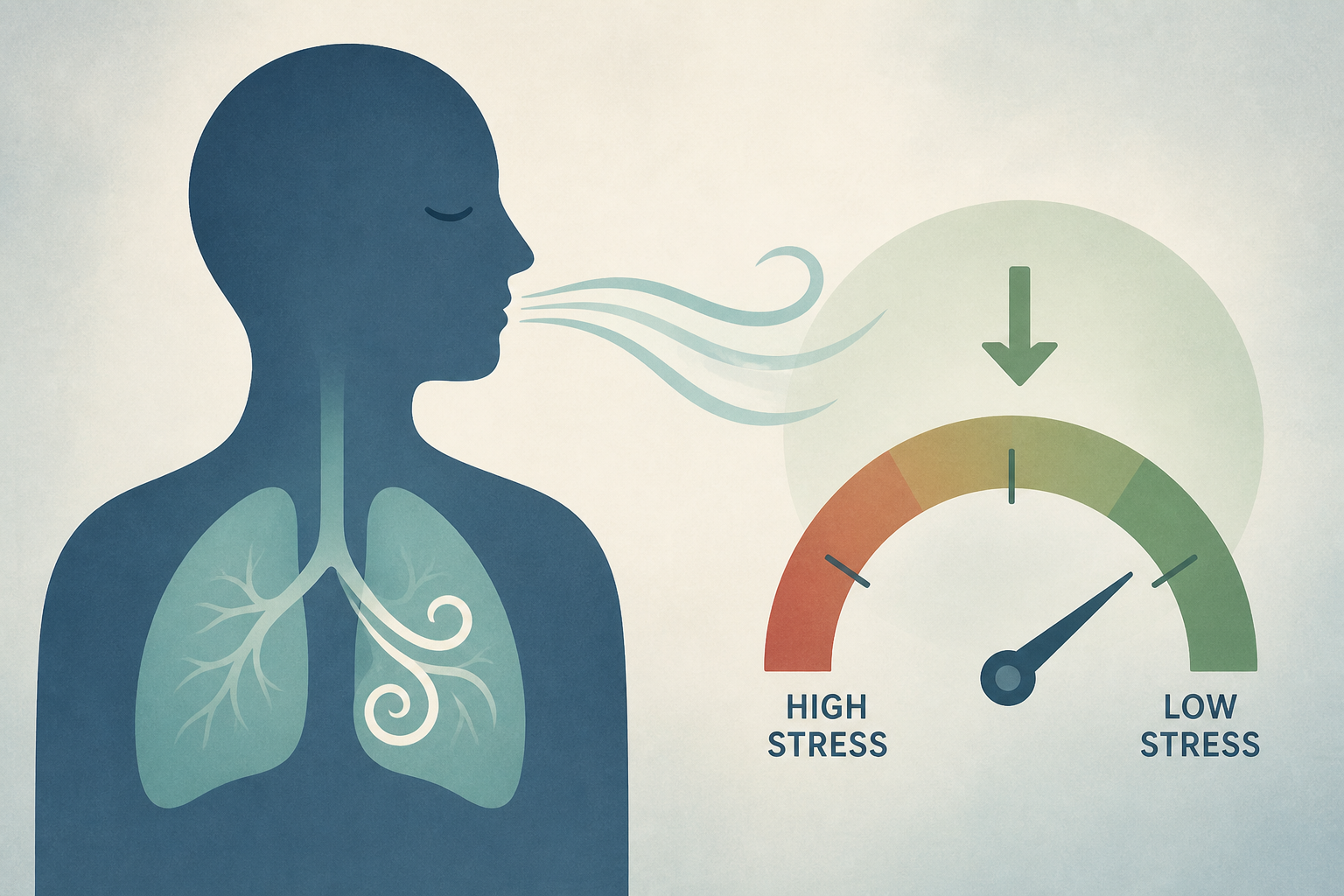
Breathing exercises blunt the body's physical reaction to acute stress
PsyPost • • health
Key Points:
- A study published in Comprehensive Psychoneuroendocrinology found that short controlled breathing exercises, such as box breathing and prolonged exhalation, prevent spikes in heart rate, anxiety, and physiological stress markers during high-pressure tasks like public speaking.
- The research involved 66 university students who practiced these breathing techniques before delivering a five-minute speech, with results showing that these methods effectively blocked typical stress responses compared to normal breathing.
- Despite reducing physiological stress, the breathing exercises did not significantly affect cognitive performance on rapid mental tasks, indicating that these techniques help manage stress without impairing cognitive speed.
- The study noted limitations including the use of a prerecorded judging panel, which may have reduced perceived threat, and high baseline heart rate variability in participants, which could affect the detection of subtle stress changes.
- Researchers suggest these accessible, equipment-free breathing methods could be valuable for individuals in high-stress professions, and recommend further studies to explore demographic differences and longer-term effects.


