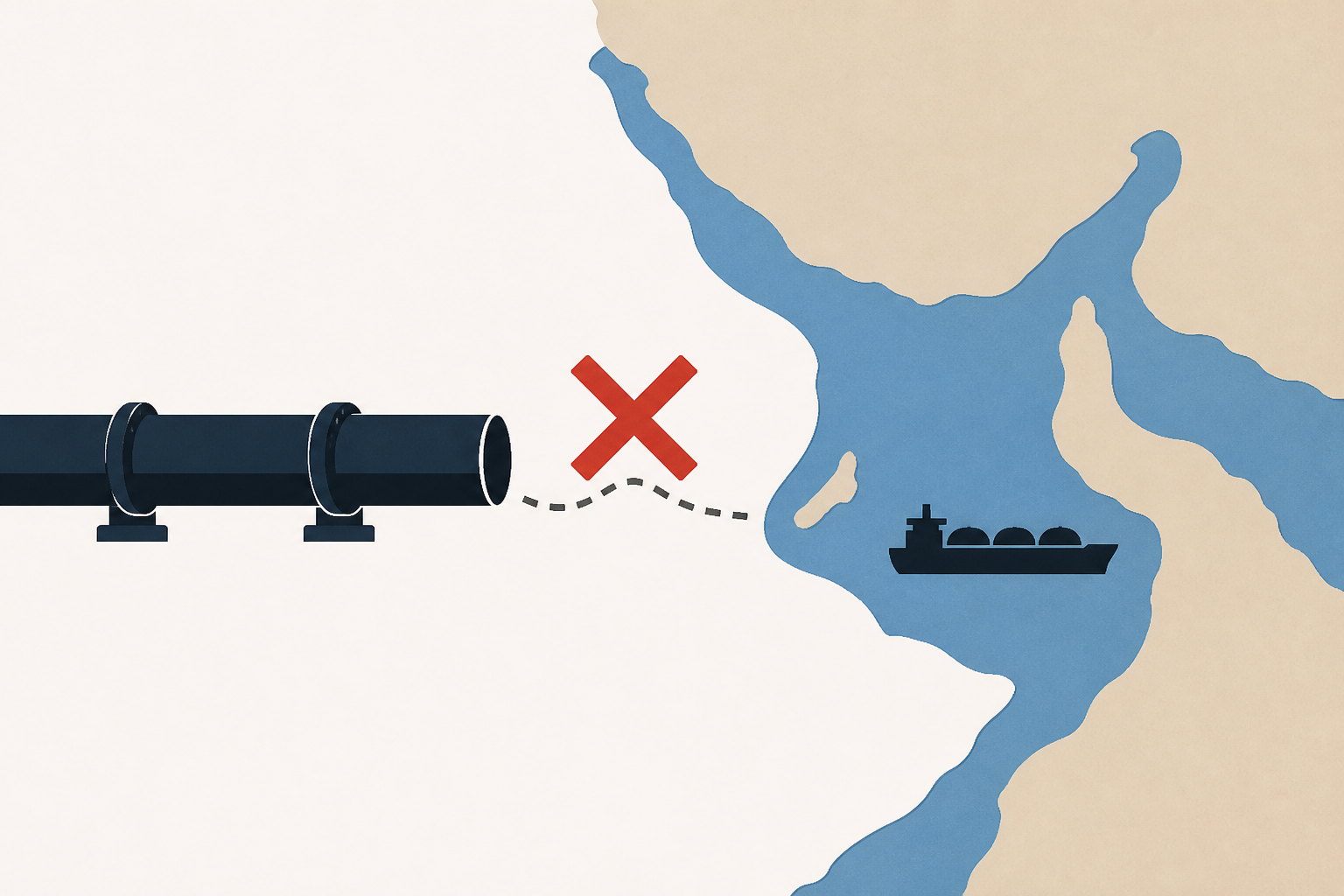
AI Generated Image
Can oil pipelines replace Strait of Hormuz? Unlikely, say experts : NPR
NPR • • general
Key Points:
- The U.S. has imposed new sanctions on Iran aiming to reduce its control over the Strait of Hormuz, expecting Middle Eastern producers to build pipelines that bypass the strait; however, energy analysts warn that such infrastructure won't be ready soon, likely keeping oil prices high.
- The International Energy Agency (IEA) and experts emphasize that the Strait of Hormuz remains a critical chokepoint for global energy exports, with pipeline projects insufficient to replace the large volume of oil passing through the strait before the Iran conflict.
- Alternative routes like the Bab el-Mandeb strait and pipelines through Turkey, Syria, and Jordan face political, security, and logistical challenges, limiting their ability to fully compensate for disruptions in Hormuz.
- Liquefied natural gas (LNG) exports, especially from Qatar, cannot be rerouted via pipelines, making them vulnerable to Iran's influence and sanctions, which could raise global natural gas prices.
- The ongoing instability and supply constraints are expected to keep energy and food prices elevated for at least the next year, while renewable energy alternatives, though gaining interest, will not significantly reduce fossil fuel dependence in the near term.


