Chernobyl’s Wolf Population Is Now 7 Times Higher Than Before the Disaster
Gizmodo • • world
Key Points:
- The Chernobyl nuclear disaster, which occurred 40 years ago, caused immediate deaths and an estimated 4,000 to 16,000 additional radiation-related fatalities, leading to the creation of a large exclusion zone spanning parts of Ukraine and Belarus.
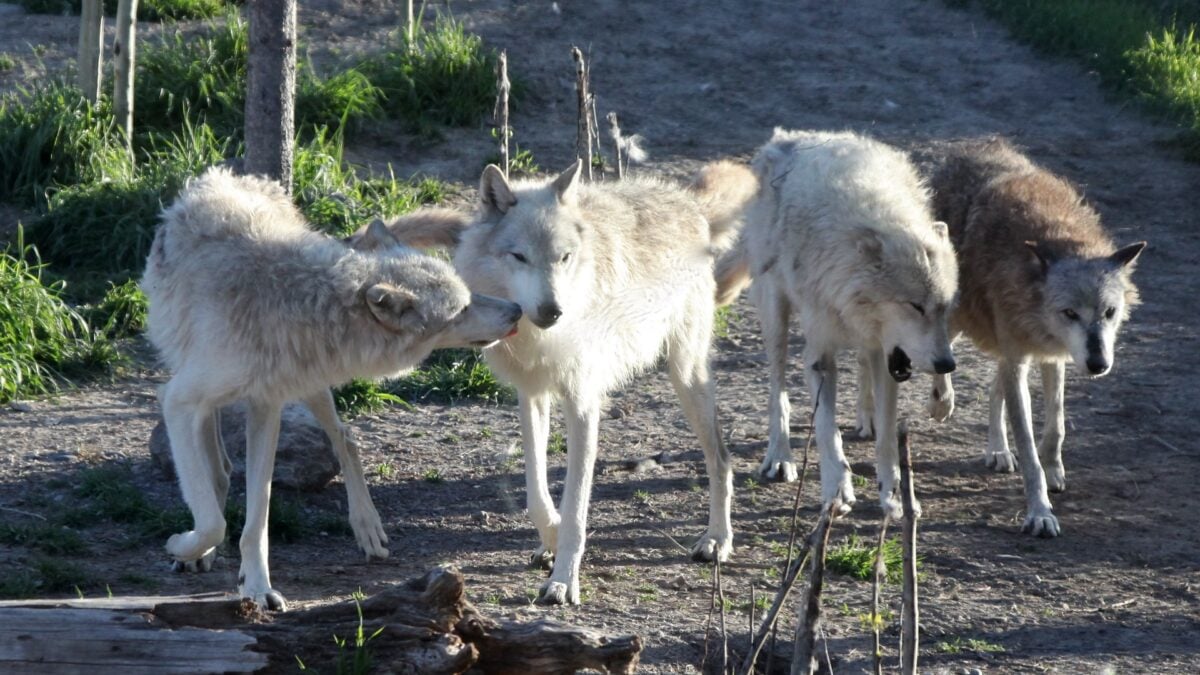
- Despite radiation concerns, wildlife populations such as wolves, elk, roe deer, and rabbits have flourished in the Chernobyl Exclusion Zone (CEZ) due to reduced human presence, with wolf populations increasing sevenfold.
- Evolutionary biologists have identified unique genetic mutations in Chernobyl's gray wolves that may enhance their resistance to cancer, likely an adaptation to radiation exposure and the absence of hunting pressures.
- While larger animals have thrived, some smaller species like barn swallows, great tits, and rodents have suffered reproductive and genetic damage from radiation, highlighting uneven ecological impacts within the zone.
- The CEZ remains a contested area amid ongoing conflict and ecological debate, with some researchers suggesting that parts of the land could be safely repurposed for agriculture under strict radiation monitoring.


