AI Image
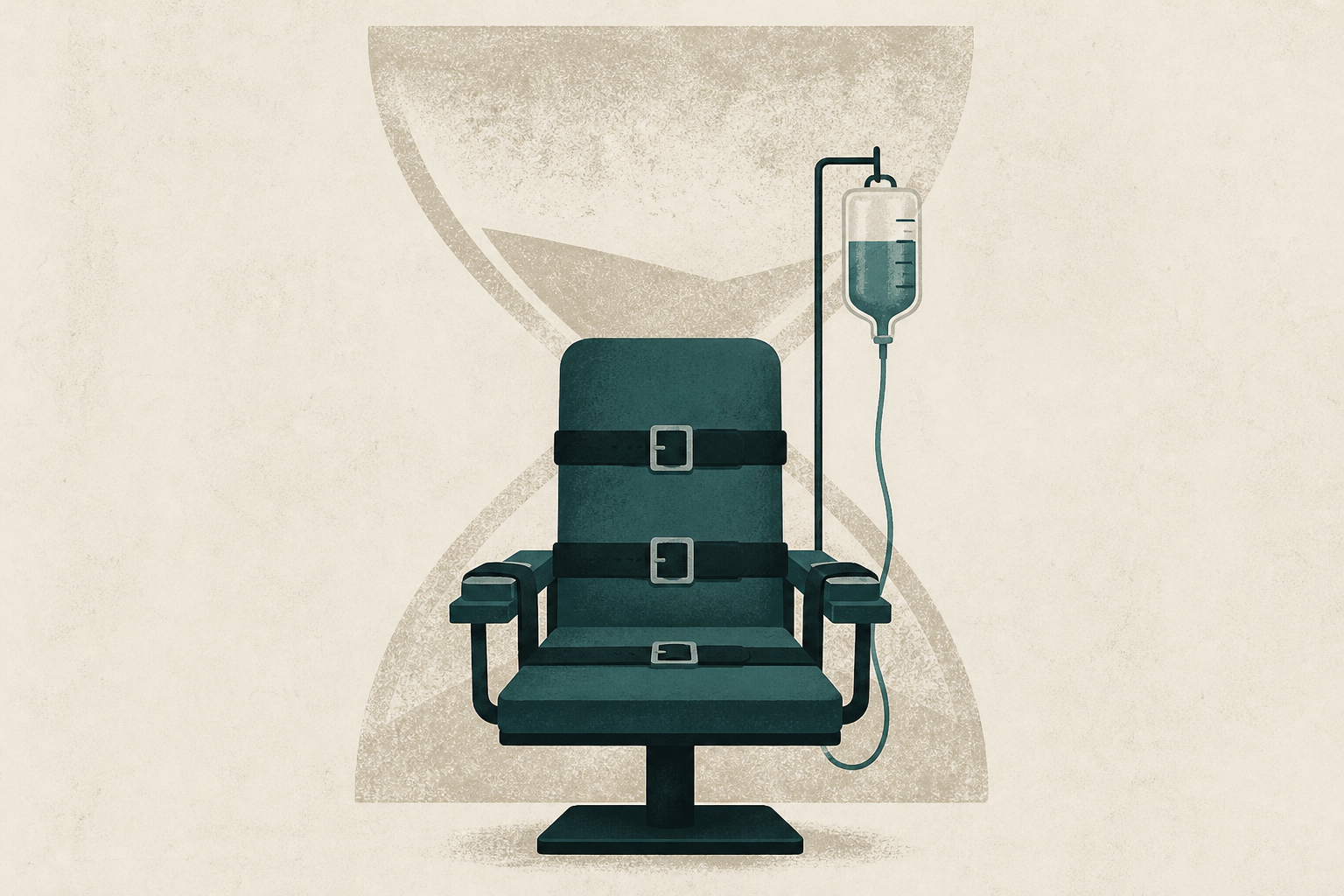
Christa Pike’s case may be the end of lethal injection as we know it
STAT • • nation
Key Points:
- Christa Pike became the first prisoner in U.S. history to survive a complete execution attempt, marking an unprecedented bioethics and legal case that could challenge the future of lethal injection protocols.
- Lethal injection, originally developed as a more humane execution method in the late 1970s, has faced increasing issues due to unskilled personnel administering the procedure and ethical prohibitions on medical professionals' involvement.
- Pike’s failed execution raised complex medical ethics questions about her care, decision-making capacity, and the state's intentions, especially as she regained consciousness and showed cognitive awareness after being intubated and restrained.
- The case highlights conflicts between medical ethics, legal standards, and correctional policies, with bioethicists debating surrogate decision-making and the legality of executing incapacitated prisoners under existing Supreme Court rulings.
- Pike’s case exposes lethal injection’s procedural flaws and ethical dilemmas, suggesting that without medical professionals’ participation—which most find ethically unacceptable—lethal injection may become untenable as a method of execution.


