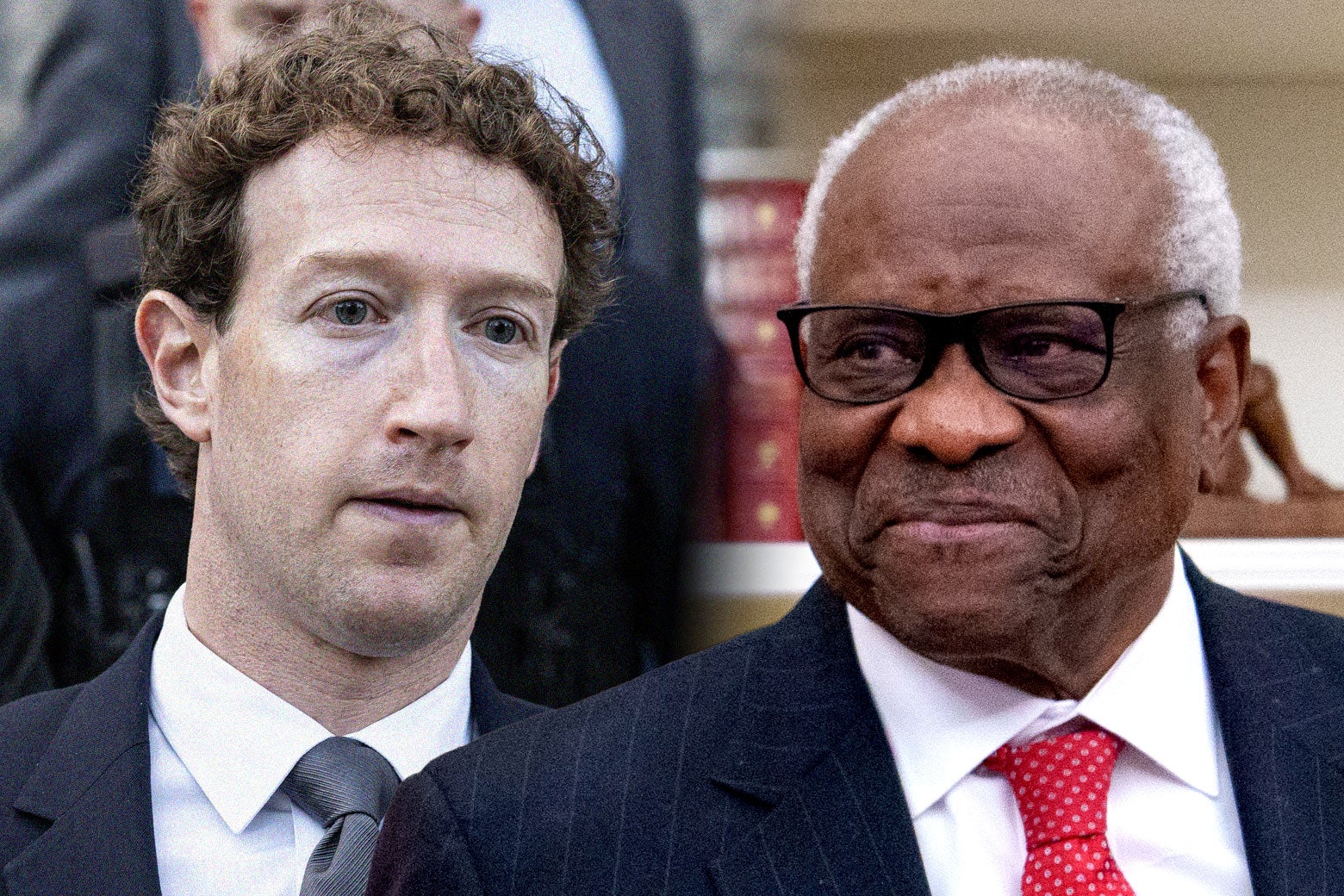
Clarence Thomas guided Meta and YouTube’s big court losses.
Slate • • business
Key Points:
- Recent verdicts against Meta and YouTube hold these tech giants liable for harms their products caused young people, challenging the longstanding legal protections under Section 230 of the Communications Decency Act.
- Plaintiffs argued that these companies negligently designed addictive and harmful features, a strategy supported by Justice Clarence Thomas, who contends Section 230 does not shield platforms from liability for their own product design flaws.
- These cases echo the Big Tobacco lawsuits by targeting corporate responsibility for enabling harm, with significant damages awarded and numerous similar lawsuits pending across the country.
- The Supreme Court is likely to revisit Section 230's scope, with Thomas and Justice Gorsuch expressing skepticism about broad immunity for platforms, while other justices remain divided on the issue.
- The outcome of this legal battle could reshape the liability landscape for Big Tech, potentially exposing companies to billions in damages and altering how social media platforms operate and are regulated.


