AI Generated Image
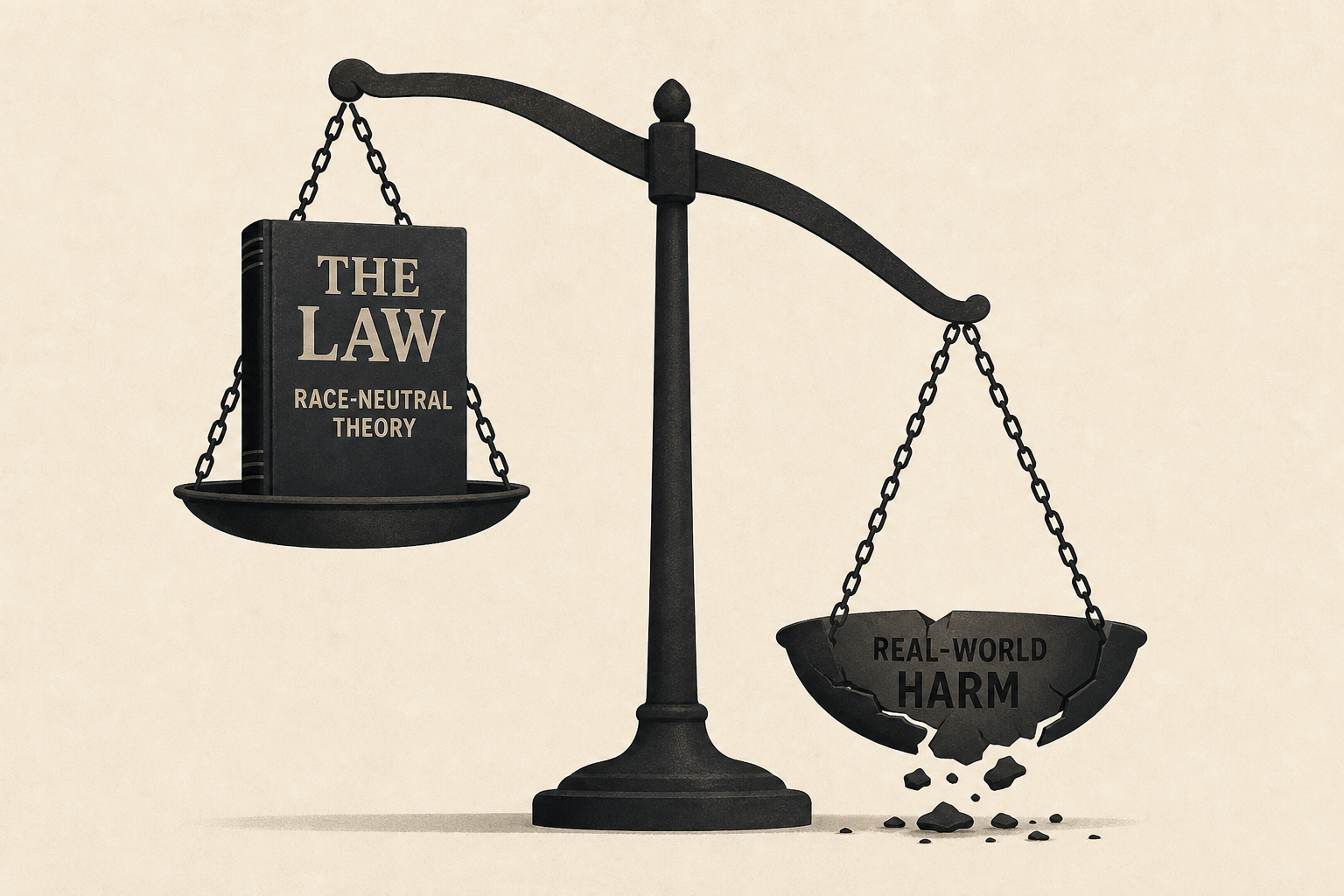
Clarence Thomas’ theory of race is now the law. It’s already a disaster.
Slate Magazine • • nation
Key Points:
- On June 2, the Supreme Court issued a 6–3 shadow docket ruling declaring the Constitution "colorblind," prohibiting government consideration of race even to aid minorities, which allowed Alabama to redraw its congressional map reducing Black representation.
- Justices Alito and Thomas dissented from declining to hear a case on racial profiling in policing, arguing that treating individuals differently based on race, even with supporting statistics, violates the 14th Amendment's equal protection clause under their colorblind interpretation.
- The colorblind theory, originally from Justice Harlan’s 1896 Plessy dissent, has been reinterpreted by conservatives to reject any race-conscious government actions, despite historical evidence that the 14th Amendment intended to allow race-based measures to combat discrimination.
- Recent Supreme Court decisions, including abolishing affirmative action and weakening the Voting Rights Act, reflect a shift toward constitutionalizing colorblindness, which has led the DOJ to limit disparate-impact claims under Title VII, undermining protections against systemic racial discrimination.
- Critics argue the Court’s version of colorblindness selectively protects minorities only when it suits conservative aims, ignoring racial realities and enabling racial subordination rather than fulfilling the 14th Amendment’s original purpose of ensuring equal protection.


