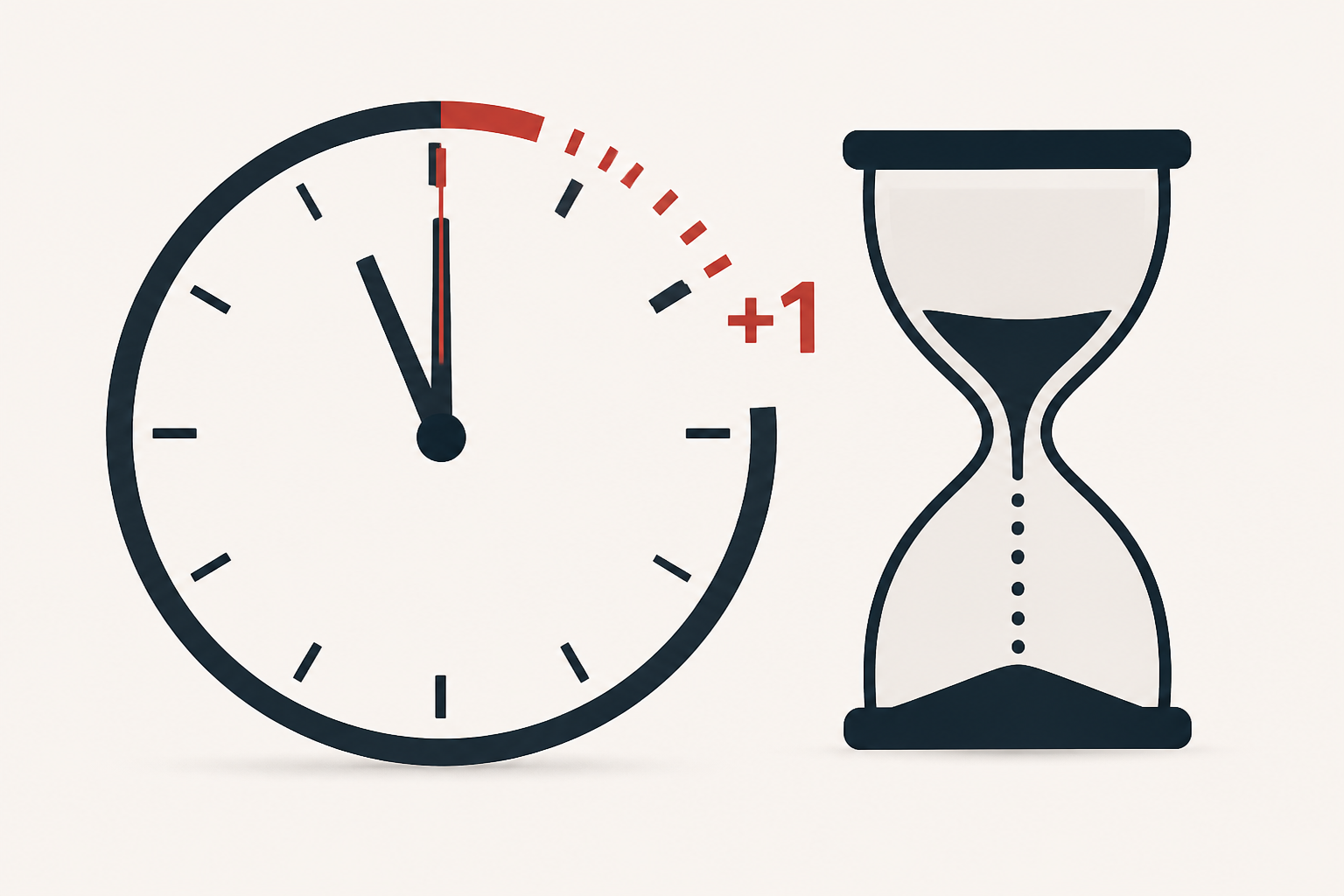
AI Image
Clock ticking for leap second: Why timekeeping could change forever
Al Jazeera • • general
Key Points:
- The world’s timekeeping authorities are meeting near Paris to decide whether to eliminate the leap second, a practice designed to keep atomic clocks synchronized with the Earth's gradually slowing and irregular rotation.
- Leap seconds, first introduced in 1972 and added 27 times since, have caused technical issues for financial markets and data centers, leading to calls for their removal; the last leap second was added in 2016.
- The International Bureau of Weights and Measures (BIPM) is considering proposals including redefining the second using optical frequencies, scrapping the leap second by 2027, and aligning Earth time measurement with a new lunar time standard NASA is developing.
- Scrapping the leap second would decouple clocks from Earth's rotation, eliminating software glitches and crashes but causing a growing discrepancy over centuries, with clocks potentially being minutes or hours ahead of solar time in the distant future.
- The decision is influenced by countries like Russia, which wants to delay scrapping until 2040 due to satellite system dependencies, but most BIPM members favor an earlier phase-out to improve technological reliability.


