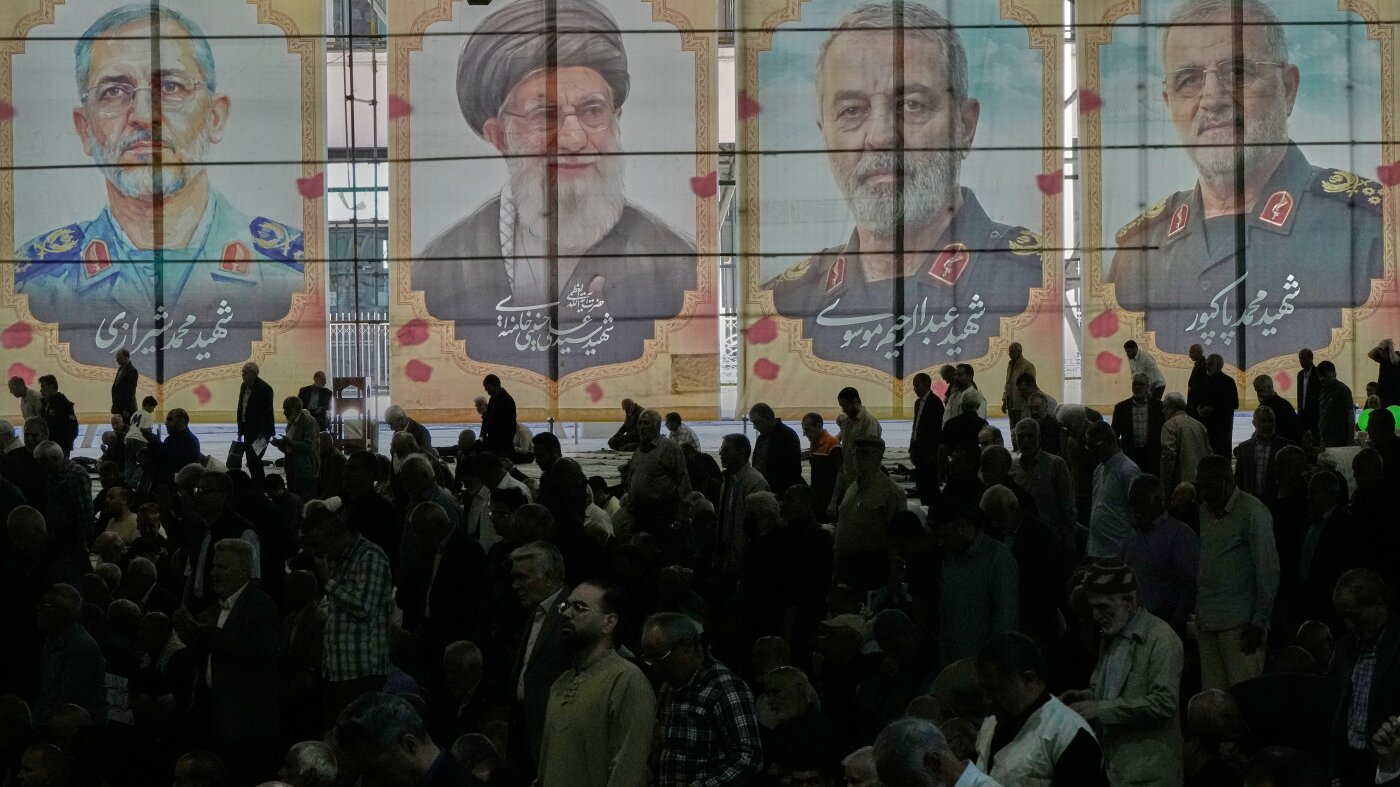
Deadlock over Iran's nuclear program and the Strait of Hormuz cripples peace efforts
NPR • • world
Key Points:
- U.S. Secretary of State Marco Rubio indicated stalled negotiations with Iran to end the war, citing fractured Iranian leadership and no progress on Iran's nuclear ambitions, which remain a core U.S. concern.
- The Strait of Hormuz remains a flashpoint, with Iran attempting to control the strategic waterway and the U.S. enforcing a naval blockade, leading to significant disruptions in global oil supply and international criticism.
- The fragile ceasefire between Israel and Hezbollah in Lebanon is deteriorating, with ongoing strikes and drone attacks despite U.S.-mediated peace talks linked to the broader U.S.-Iran negotiations.
- International reactions to the conflict are mixed, with Germany criticizing the U.S. for lacking a clear strategy, while Gulf countries demand reopening the Strait of Hormuz; meanwhile, Australia is engaging regional partners on energy security concerns.
- In Iraq, political leaders have agreed on a new prime minister, Ali al-Zaidi, seen as a compromise candidate acceptable to the U.S., though he faces parliamentary approval and challenges due to past financial controversies related to Iran.


