Democrats will lose the gerrymandering wars.
Slate • • nation
Key Points:
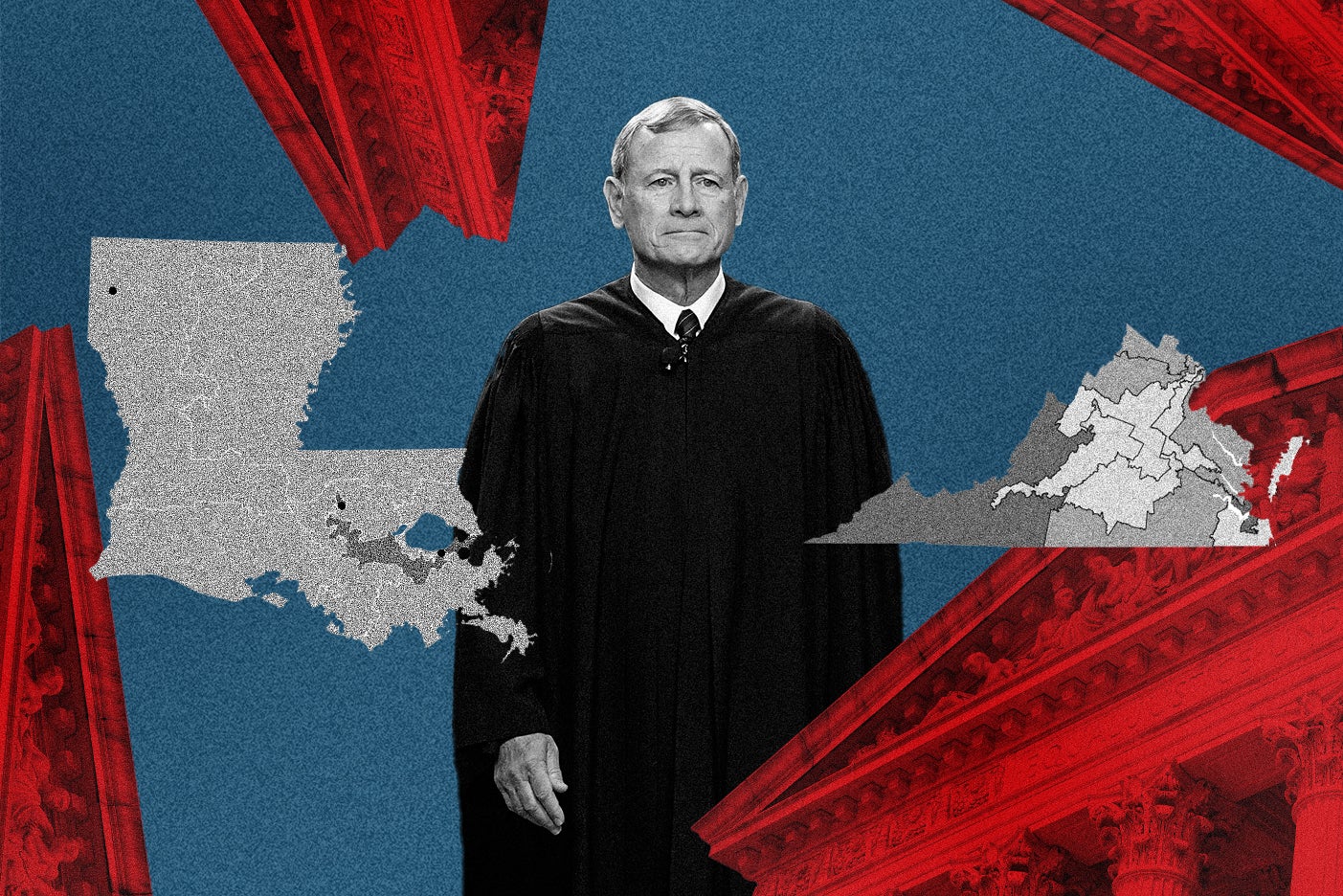
- The Supreme Court's decision in Louisiana v. Callais significantly undermines the Voting Rights Act by allowing Republican-controlled southern states to redraw districts that dilute Black voter representation under the guise of partisan gerrymandering, threatening minority political influence nationwide.
- While some Democrats fantasize about aggressively redrawing maps in blue states, practical and political constraints, including the need to protect minority voters who form core Democratic constituencies, limit their ability to respond similarly to Republican efforts.
- Legal expert Pamela Karlan warns that the ruling shifts power from voters to representatives, enabling unchecked partisan gerrymandering across multiple election levels, which risks depressing minority voter turnout and weakening democratic participation.
- The decision marks a stark departure from previous Supreme Court stances by explicitly permitting naked partisan gerrymandering and gutting protections for minority voters, with little immediate recourse from Congress or courts until political conditions change.
- Additional legal developments discussed include concerns over the aggressive prosecutorial actions of acting Attorney General Todd Blanche, the Supreme Court's stance on immigration cases linked to racial bias allegations, and ongoing efforts to restrict abortion medication access through federal courts.


