AI Image
Dinosaur blood found in fossils for the first time
Yahoo • • general
Key Points:
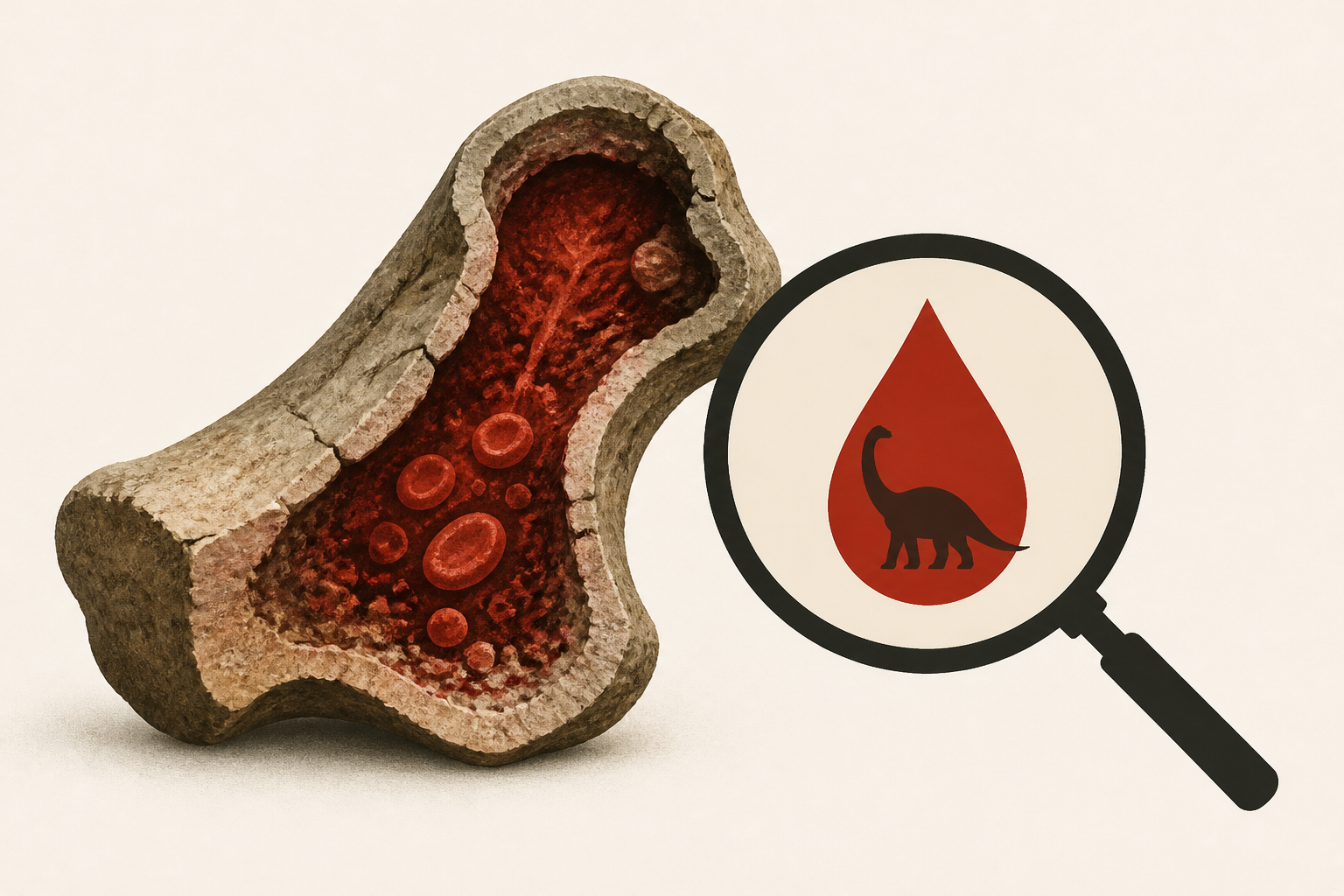
- Researchers have discovered intact biomolecules and mineralized red blood cells in 115-million-year-old fossils of the juvenile dinosaur Aratasaurus museunacionali, marking a significant breakthrough in molecular-level paleontology.
- The study, published in PNAS, is the first to chemically identify heme, an oxygen-carrying blood compound, challenging the assumption that such biomolecules cannot survive over deep time.
- Preservation of these cellular structures was aided by a complex manganese oxide called hausmannite, which helped maintain heme and other biomolecules like collagen amino acids within the fossilized limb bones.
- The team suggests that rapid burial in a microbe-rich, low-oxygen environment was crucial for such exceptional preservation, offering new insights into dinosaur metabolism and blood evolution.
- This discovery also raises the possibility that similar biomolecular traces of life could exist elsewhere in the universe, expanding the scope of astrobiological research.


