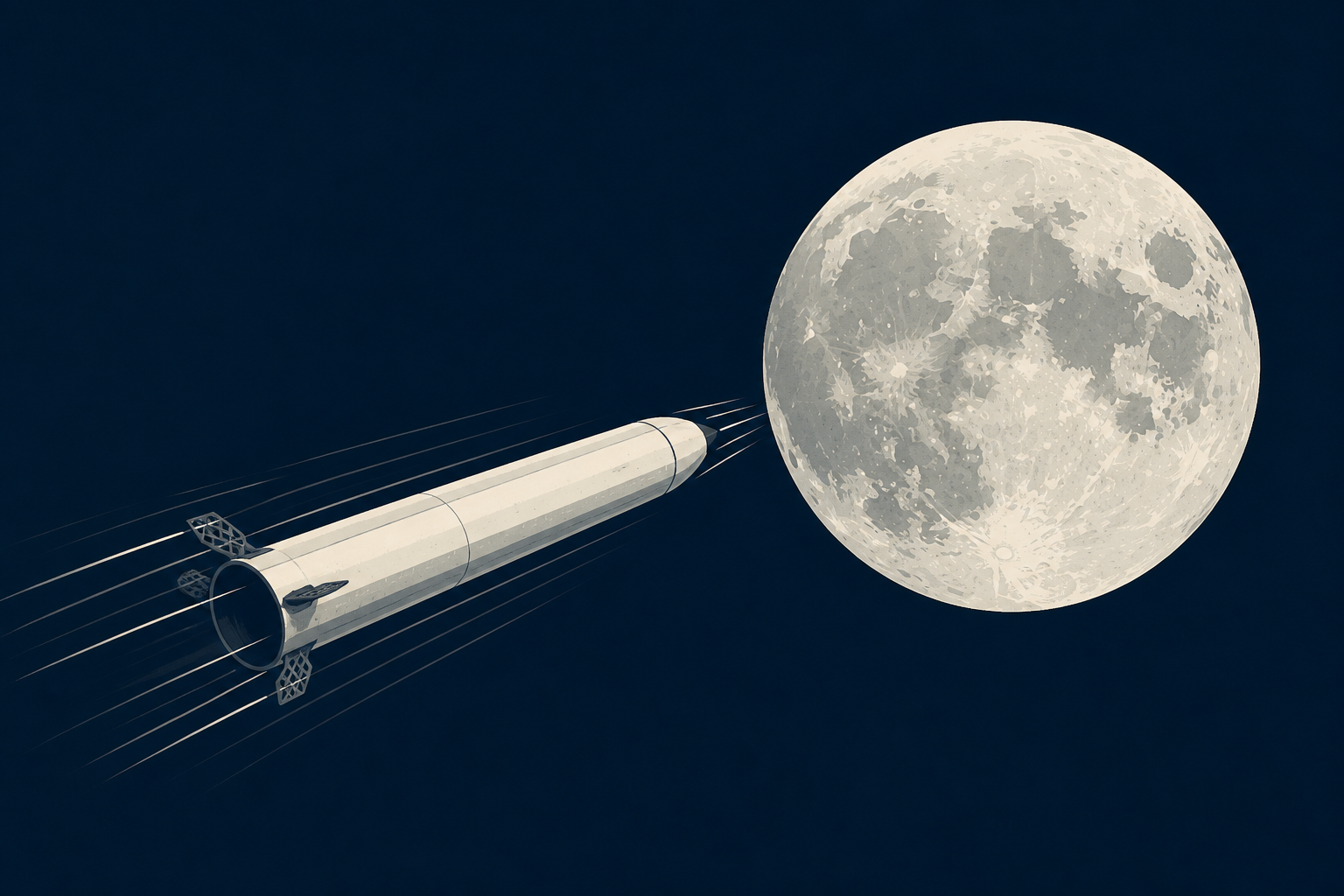
AI Generated Image
Discarded SpaceX rocket is on high-speed collision course with the moon
abc7.com • • general
Key Points:
- A SpaceX rocket upper stage, launched over a year ago with two lunar landers, is set to unintentionally crash into the moon near Einstein Crater at 5,400 mph on Wednesday, creating a crater and dust plume observable by scientists and skywatchers.
- The impact, occurring on the moon's near side, will release energy equivalent to three tons of TNT, with a crater estimated to be 90 feet wide and 16 feet deep, though the flash itself may be too dim to see from Earth.
- NASA's Lunar Reconnaissance Orbiter and South Korea's Danuri lunar orbiter will capture before-and-after images of the crash, with Danuri passing within a mile or two of the impact site shortly before collision.
- This event highlights the growing problem of space debris as more objects crowd Earth's orbit and lunar vicinity, underscoring the need for better debris monitoring and traffic control as human and robotic presence on the moon increases.
- While the current impact poses no immediate threat, experts warn that future rocket stage collisions could jeopardize long-term lunar bases, emphasizing the importance of avoiding chaotic orbits for space hardware.


