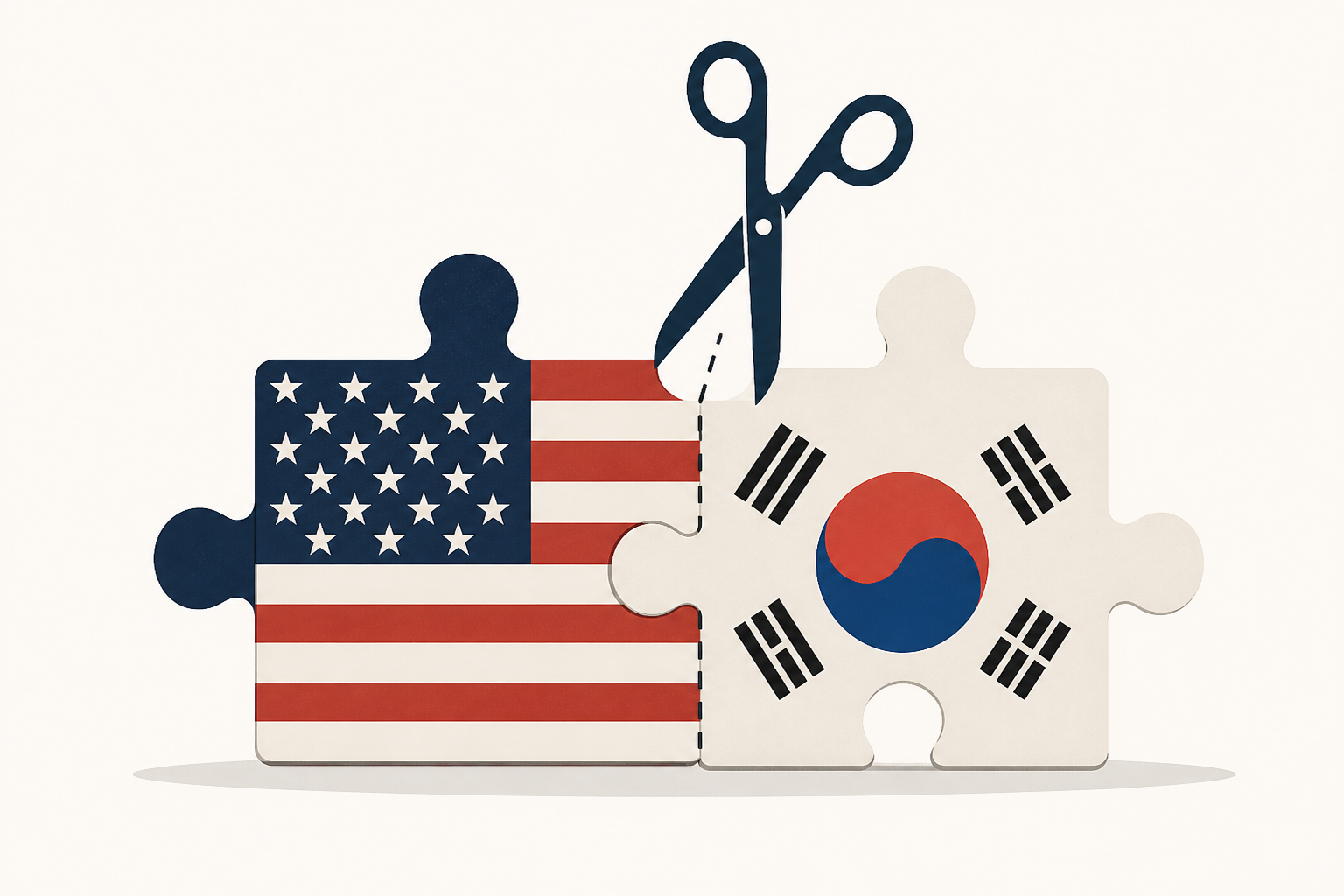
AI Generated Image
Drills cut by Trump are central to the US-South Korea alliance
AP News • • general
Key Points:
- U.S. President Donald Trump ordered a significant scale-back of the annual Ulchi Freedom Shield (UFS) military exercise with South Korea, citing improved relations with North Korea and South Korea's refusal to join the U.S. in a potential war against Iran.
- The UFS, a key joint command post exercise involving about 18,000 South Korean troops and U.S. forces, is central to maintaining readiness against North Korean threats, and its downsizing could weaken the decades-long U.S.-South Korea military alliance.
- Experts suggest the U.S. will likely still participate in computer-simulated command exercises but cancel costly field training involving large troop movements, which could disrupt leadership continuity and joint operational readiness.
- The reduction in drills may delay the planned transfer of wartime operational control from the U.S. to South Korea, a sensitive issue tied to South Korean national sovereignty and alliance dynamics.
- North Korea condemned the planned exercises as provocative, threatening a "new level of deterrent," while the U.S. and South Korea maintain their drills are defensive in nature.


