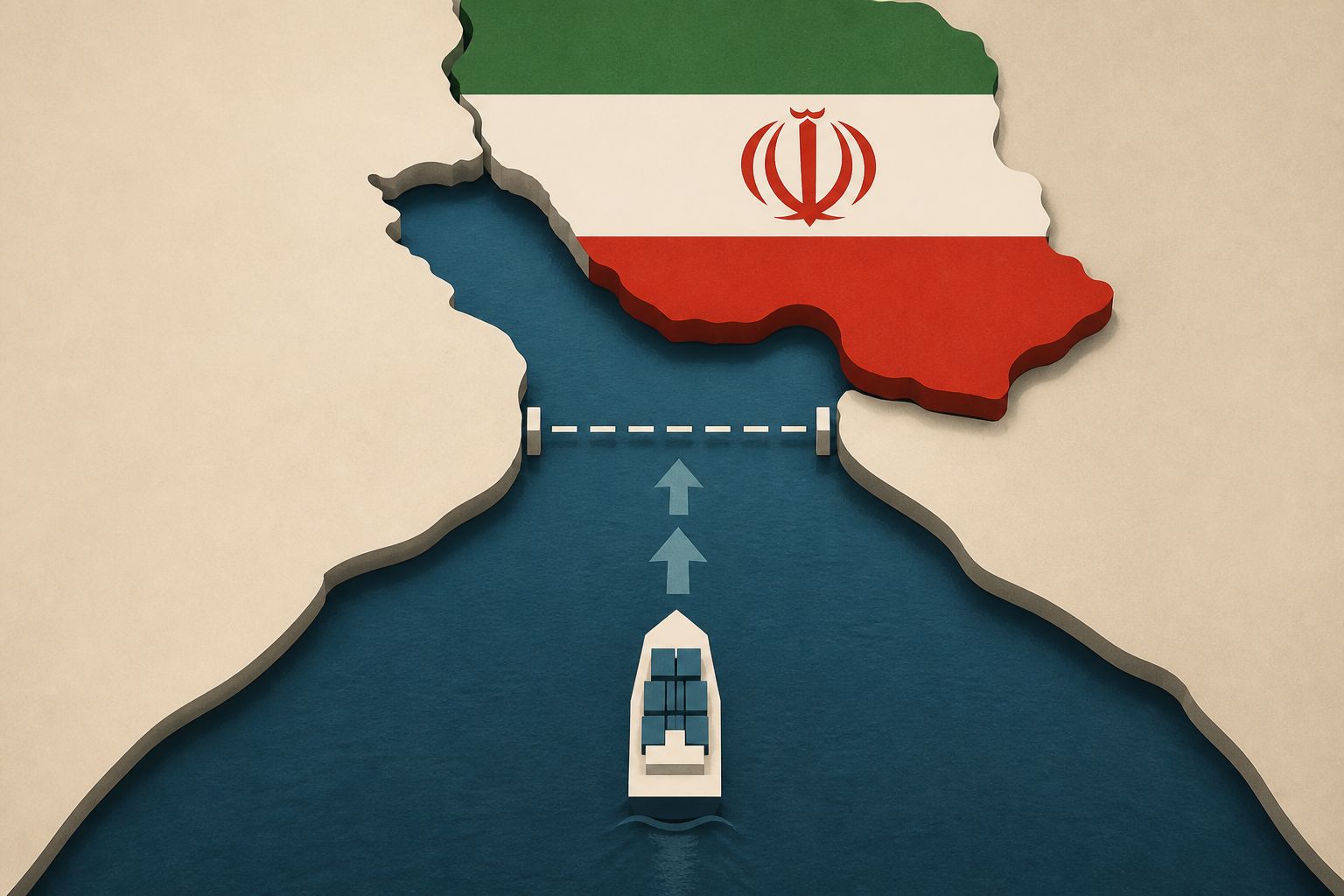
AI Generated Image
Emerging deal to reopen Hormuz recognizes Iran's control - 'The concession has already been made'
Fortune • • general
Key Points:
- A proposed temporary deal between Oman and Iran would grant Iran control over inbound traffic through the Strait of Hormuz, a crucial waterway for global oil supplies, according to sources cited by Reuters.
- The U.S. and Gulf countries demand full freedom of navigation through the strait, but Iran has maintained its ability to restrict traffic despite months of U.S.-Israeli military actions, keeping the strait effectively closed.
- Key unresolved issues in the deal include defining Iran’s control, its role in overseeing outbound traffic, and fees for ships using the strait, with Iran demanding 5%-7% of cargo value while Oman suggests around 3%.
- Iran insists the strait will not fully reopen until the U.S. lifts its naval blockade and unfreezes Iranian assets, warning that any new U.S. attacks would provoke retaliation against regional energy infrastructure.
- While the U.S. insists on unfettered passage and is not part of the Oman-Iran talks, Gulf states may accept a temporary arrangement recognizing Iran’s authority as they work to build pipeline capacity to bypass the strait and reduce Iran’s leverage over oil markets.


