AI Image
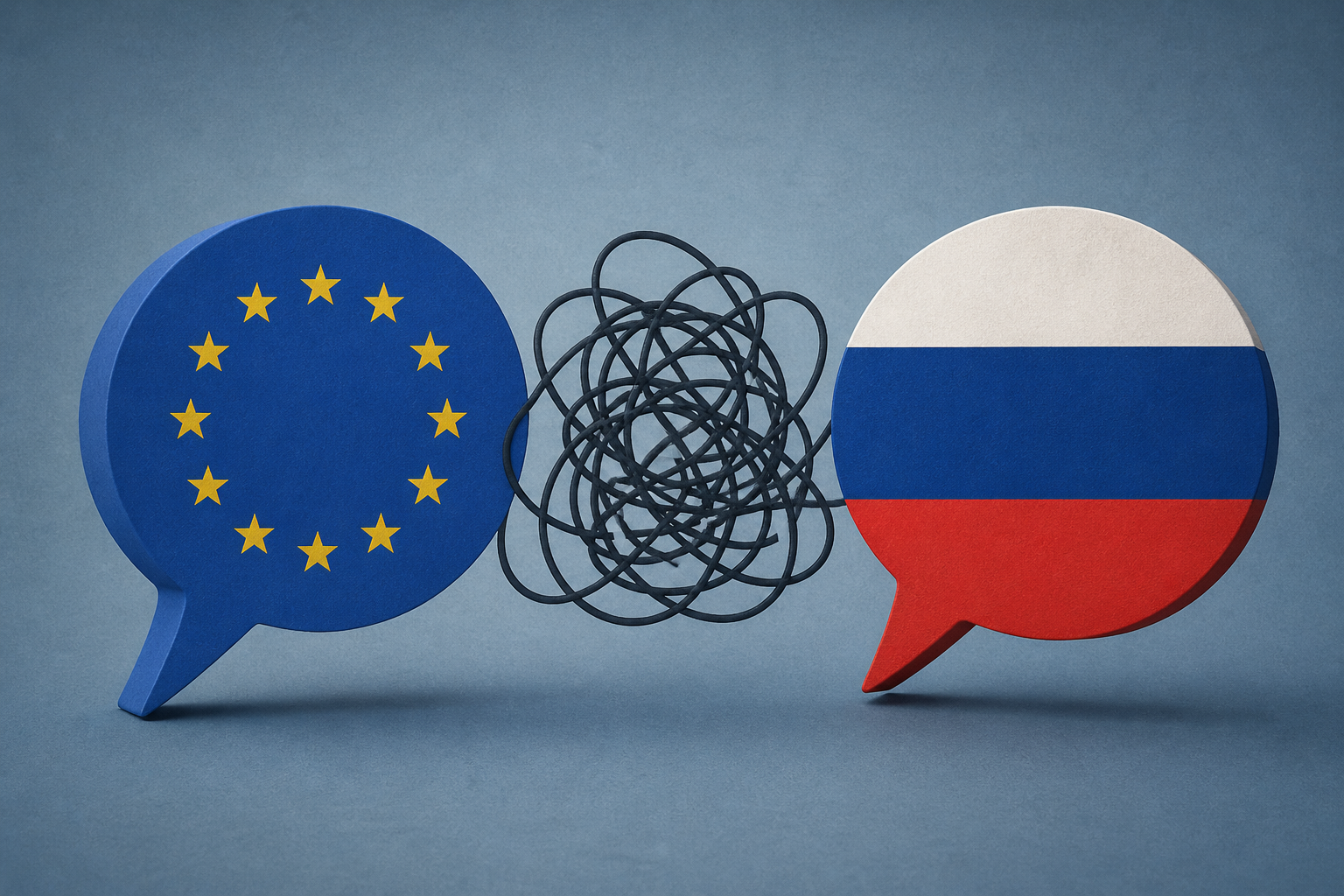
Europe argued over who would talk to Russia. Agreeing what to say is even tougher.
POLITICO.eu • • world
Key Points:
- The EU and its allies are struggling to agree on a unified negotiating stance with Russia over Ukraine, debating whether to adopt a hardline or more flexible approach in upcoming talks.
- EU leaders have formed a negotiation team including officials from France, Germany, Italy, Poland, the U.K., NATO, and the European Commission and Council, shifting focus to defining clear negotiation principles and red lines.
- Austria proposes confidence-building measures such as limited ceasefires and an international monitoring forum to ease tensions, while Norway suggests revisiting Cold War-era agreements like the Helsinki Accords as a framework.
- EU diplomats are divided on who should draft the negotiation mandate, with some advocating for EU ambassadors to create a flexible mandate, while others, including EU chief diplomat Kaja Kallas, want foreign ministers to demand upfront concessions from Russia.
- Despite calls for a ceasefire before negotiations, the EU is preparing for talks to resume soon in Abu Dhabi even as Russia continues military attacks, emphasizing pragmatism and the need for decision-makers to be present at the table.


