Exploring the Limits of Aerodynamics and Sonic Boom
Vintage Aviation News • • science
Key Points:
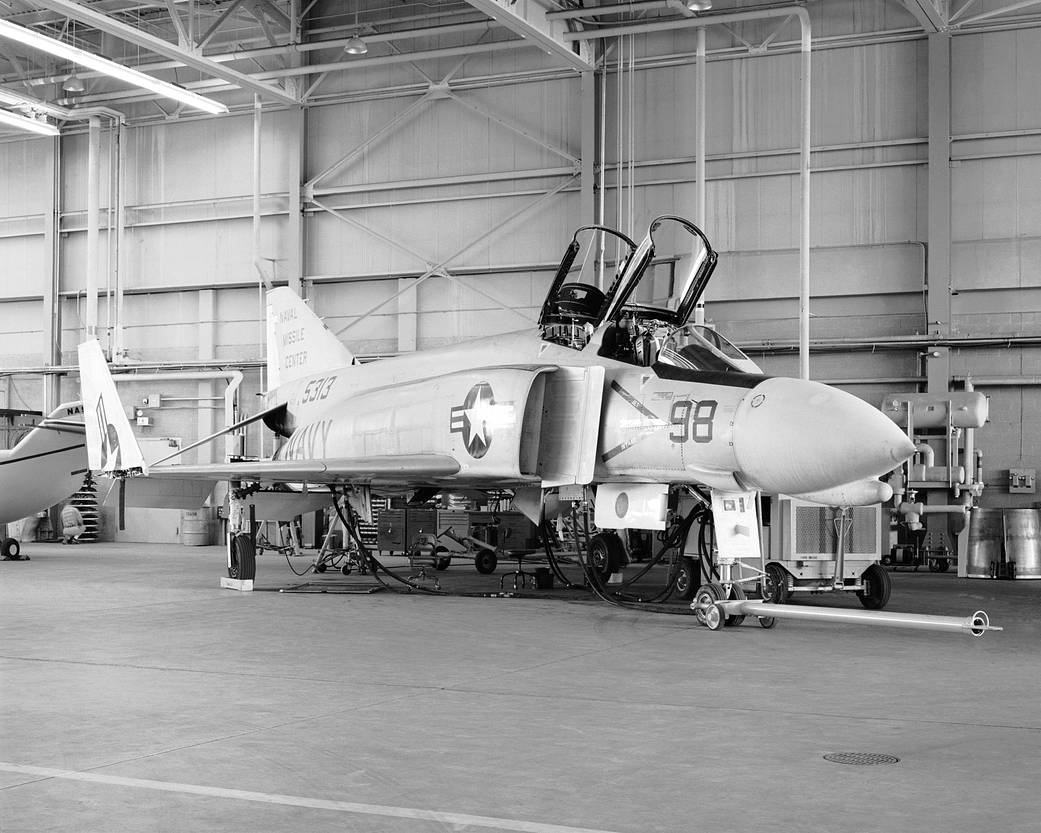
- In late 1965, NASA’s Flight Research Center acquired a McDonnell F-4A Phantom II for research, including serving as a chase aircraft and conducting biomedical studies on pilot physiological responses during high-performance flights.
- A unique 1966 study involved instrumented monkeys flying in the second seat to collect biomedical data compared with human pilots, aiming to establish baseline information for potential astronaut candidates; the methods developed are still used in monitoring pilots of experimental vehicles.
- In 1967, the F-4A participated in sonic boom research to explore its potential as a weapon or nuisance, conducting supersonic passes over a test range until a fuel tank burst ended its involvement; the tests were later completed using an F-104B Starfighter.


