AI Generated Image
Four months after the horrific Iran school bombing, fears grow that Trump and Hegseth will bury the truth
The Guardian • • nation
Key Points:
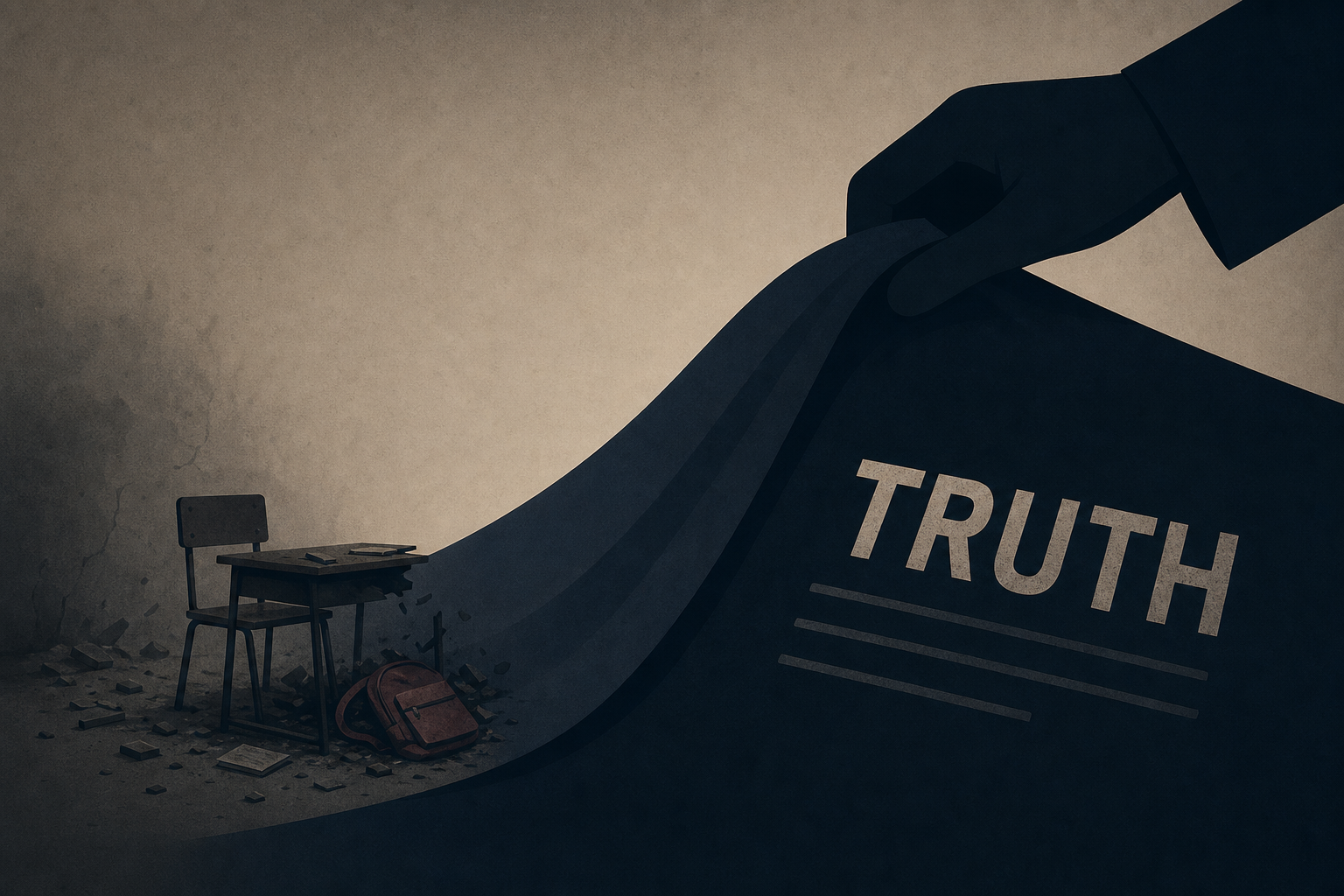
- The US military's Tomahawk cruise missile strike on a girls' elementary school in Minab, Iran, killed at least 175 people, mostly children, but nearly four months later, the Pentagon has provided no clear explanation or accountability for the attack.
- The investigation into the strike reportedly found that outdated targeting data led to the school being mistaken for an IRGC base, but civilian oversight and accountability have been undermined under Secretary of Defense Pete Hegseth's leadership, who has reduced civilian harm mitigation efforts.
- Former officials and experts express skepticism that the Pentagon will fully disclose findings or take responsibility, citing a culture of negligence and a deliberate suppression of investigation results, with whistleblowers potentially being the only source of truth.
- President Trump initially blamed Iran for the attack but later downplayed it as a mistake amid ceasefire talks, while congressional inquiries have been largely ignored, frustrating lawmakers seeking answers for the victims' families.
- Human rights advocates criticize Hegseth's "anti-woke" approach, which includes removing constraints on military operations and dismantling civilian protection mechanisms, linking these policies to increased civilian casualties and reckless conduct in US military actions.


