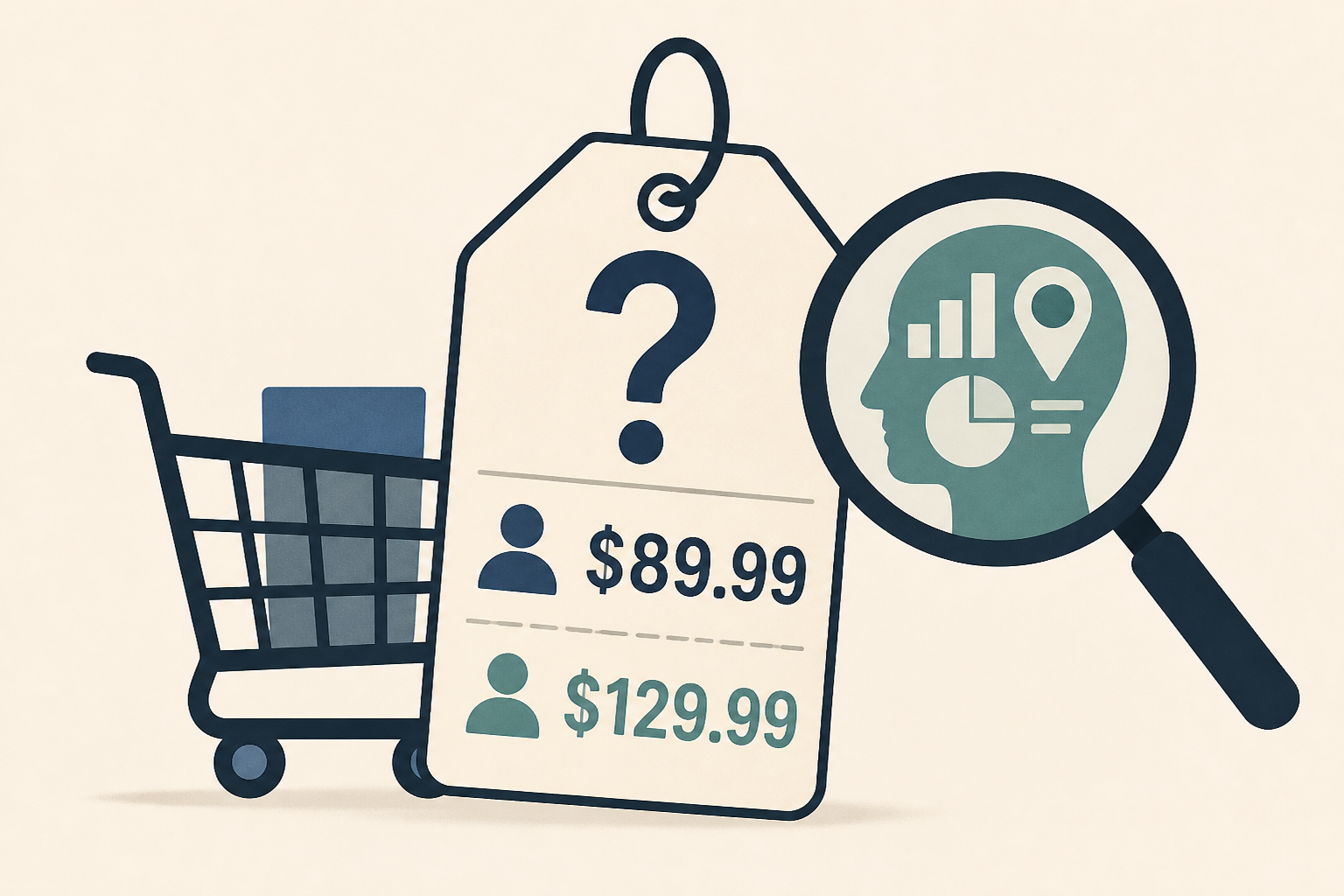
AI Generated Image
FTC wants retailers to reveal if they vary prices based on shopper data
AP News • • business
Key Points:
- The Federal Trade Commission (FTC) proposed a policy that could lead to federal charges against companies secretly using personalized pricing based on individual customers' willingness to pay without clear disclosure.
- The policy would require businesses to "clearly and conspicuously disclose" when they engage in personalized pricing and share the data types used, with nondisclosure potentially violating the FTC Act against unfair or deceptive practices.
- Retail trade groups like the National Retail Federation and FMI expressed concerns about protecting loyalty and rewards programs that use personal data to offer tailored incentives, while emphasizing that personalized price increases are not common practice.
- Several states, including Maryland, Connecticut, and New Jersey, have already banned personalized pricing at grocery stores, with other states considering similar legislation, amid growing consumer unease over pricing tactics such as surge pricing.
- Consumer advocacy groups like Consumer Reports support the FTC's transparency efforts but argue for outright bans on personalized pricing to better protect consumers from complex disclosures.


