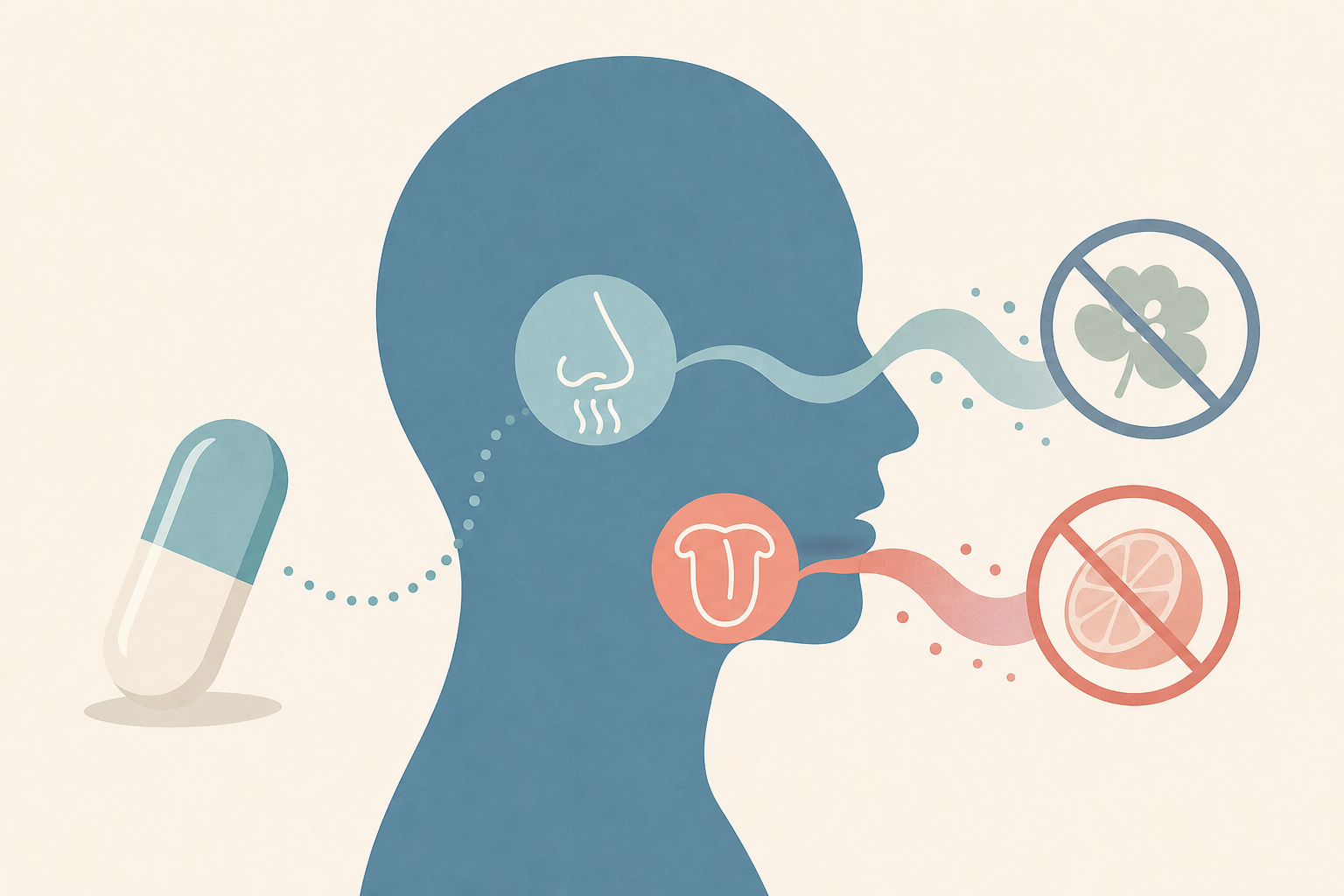
AI Generated Image
GLP-1s are messing with people's smell and taste
New York Post • • health
Key Points:
- GLP-1 medications, initially developed for diabetes and now widely used for obesity, have been linked to disturbances in taste and smell, according to new research published in JAMA Network.
- The study, analyzing health records of adults with type 2 diabetes, found increased risks of anosmia, parosmia, and parageusia among GLP-1 users compared to non-users, suggesting these drugs may affect sensory functions via the nervous system.
- While weight loss associated with GLP-1 use can also influence taste and smell, these sensory changes are typically temporary and tend to resolve once weight stabilizes.
- Smell and taste dysfunctions are significant health concerns as they are linked to increased risks of heart disease, dementia, and other neurodegenerative conditions, and can impact nutrition and safety.
- Experts advise patients experiencing changes in taste or smell to consult their healthcare providers for monitoring and guidance.


