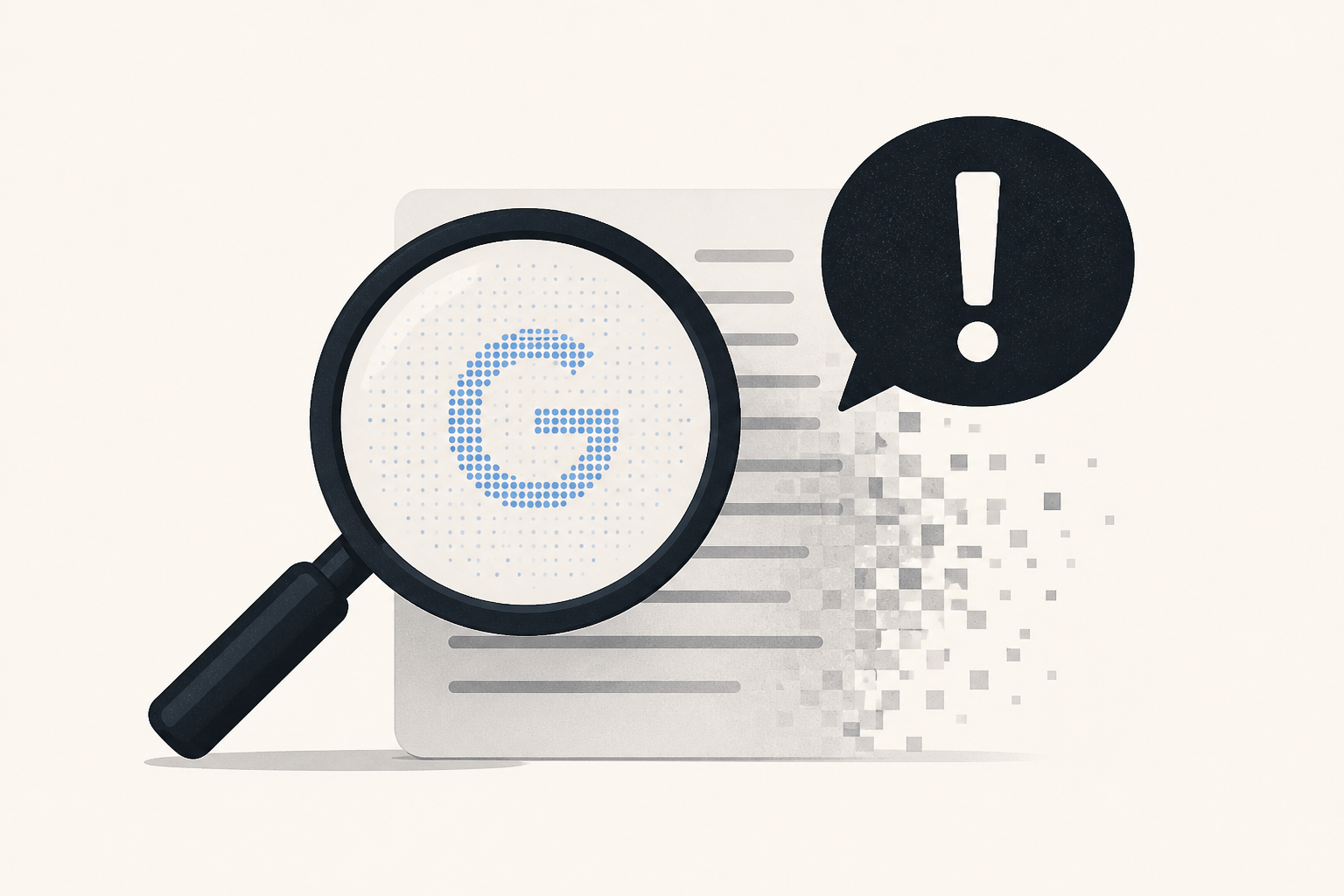
AI Generated Image
Google's SynthID watermark is hard to break, but it doesn't solve AI misinformation
Ars Technica • • general
Key Points:
- AI-generated media has exploded in scale, with generative AI producing 1.5 billion images in just 18 months compared to 149 years for traditional photography, and Google reporting over 100 billion AI images and videos created in a few years.
- Google’s SynthID technology embeds invisible watermarks into AI-generated content to help identify it, designed to survive common edits like compression and cropping, though extensive cropping can eventually break the watermark.
- Despite SynthID’s robustness, watermarks are not foolproof; they can be bypassed or removed, and different AI providers use incompatible watermarking systems, complicating detection and verification efforts.
- The widespread availability of unlabeled AI models means many AI-generated images will never carry watermarks, making it impossible to rely solely on labeling to discern real from synthetic content.
- Experts suggest focusing on authenticating high-value, truthful information rather than trying to label all AI content, as the sheer volume of synthetic media makes comprehensive watermarking impractical.


