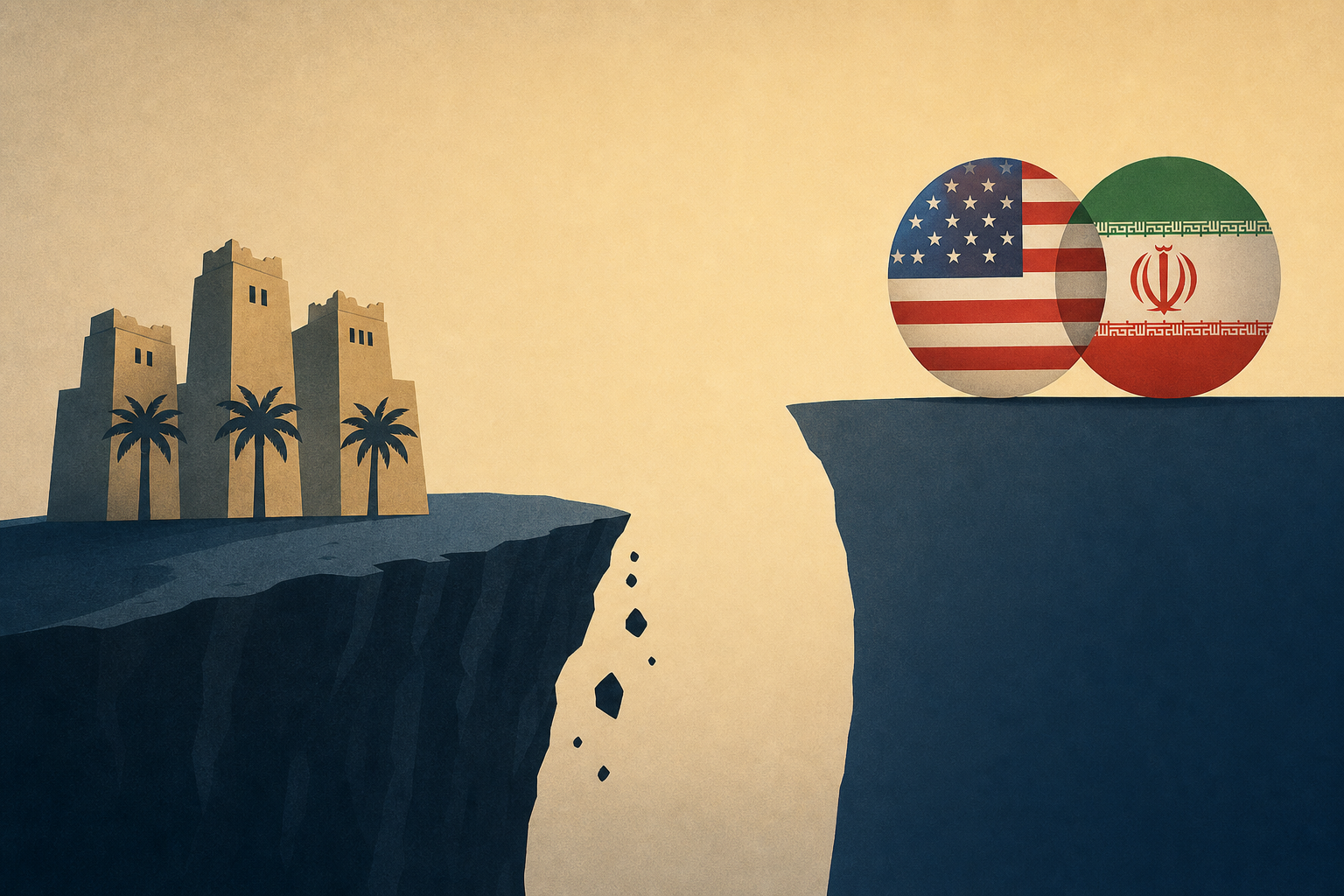
AI Generated Image
Gulf states could be left in the lurch and exposed by the US-Iran deal
The Times of Israel • • world
Key Points:
- Gulf states feel vulnerable and frustrated with the US after the recent US-Iran deal, as it fails to address their core security concerns about Iran’s missile, drone, and proxy capabilities.
- The memorandum of understanding extends the conflict uncertainty by 60 days without permanently ending the war, prompting Gulf countries to seek direct channels with Iran for their security interests.
- Despite supporting Trump's withdrawal from the 2015 nuclear deal, Gulf states are skeptical of the new agreement, viewing it as hastily negotiated with fewer Iranian concessions and inadequate safeguards against regional militias.
- The UAE and Qatar have shifted toward dialogue and de-escalation, with Qatar hosting Iranian talks and the UAE allegedly engaging in financial negotiations to halt attacks, while Saudi Arabia strengthens regional diplomatic alliances.
- Analysts highlight the limits of US power in the region, noting Iran's resilience and leverage over the Strait of Hormuz, with concerns that both Iran and the US are using Gulf states as leverage in broader geopolitical negotiations.


