Hantavirus possibly transmitted human to human on stranded cruise ship, WHO says
CBS News • • general
Key Points:
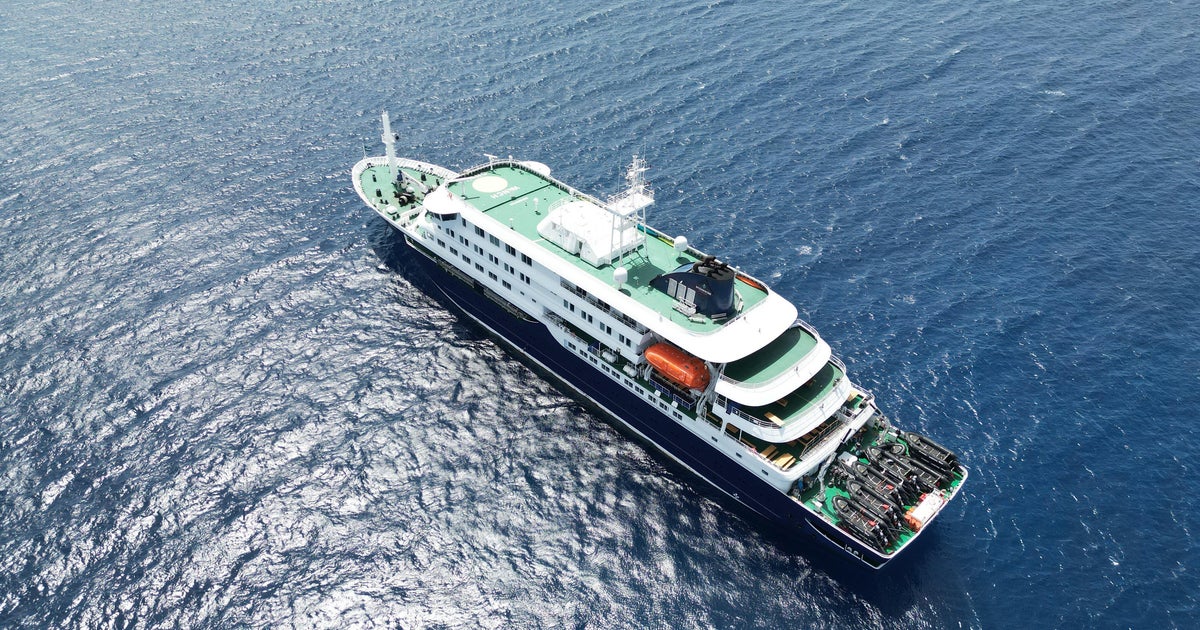
- The World Health Organization (WHO) confirmed rare human-to-human transmission of hantavirus on the MV Hondius cruise ship, which has resulted in three deaths and several other suspected or confirmed cases among nearly 150 people aboard.
- The ship, initially denied docking in Cape Verde due to health concerns, has been allowed to sail to the Canary Islands for a full investigation, disinfection, and medical screening of passengers and crew before repatriation.
- Hantavirus, typically spread through contact with rodents, has a high mortality rate of up to 50%, and the Andes strain involved in this outbreak can rarely spread between people, particularly among close contacts such as cabin mates.
- Authorities are considering a possible quarantine of up to eight weeks for passengers due to the virus's incubation period, while ongoing epidemiological investigations and contact tracing are underway to assess and contain the outbreak.
- The WHO and European health agencies are coordinating evacuation and medical care for affected individuals, including transfers to the Netherlands and South Africa, while closely monitoring the situation to prevent wider transmission.


