AI Generated Image
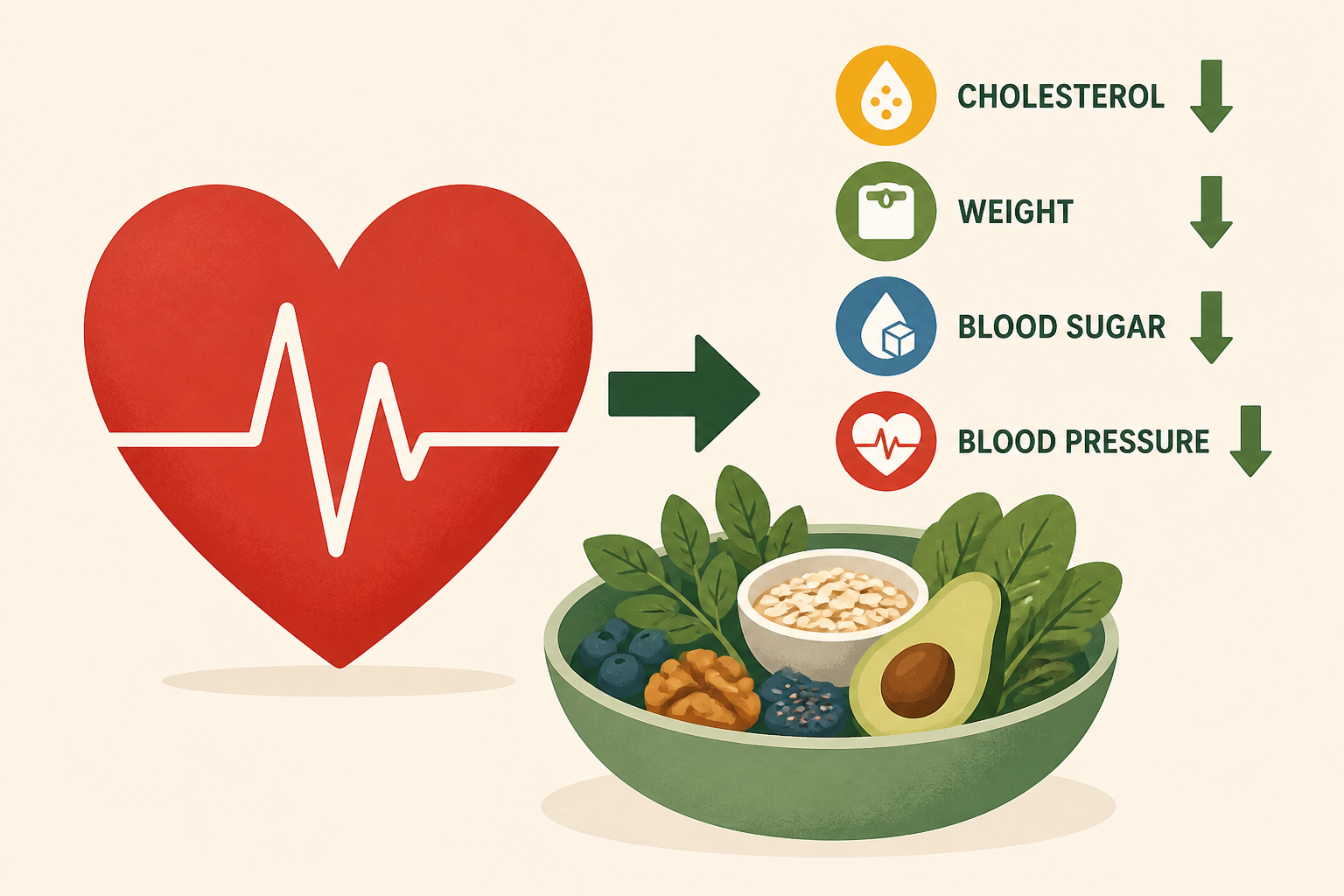
Heart health: Cholesterol, weight, blood sugar, and blood pressure drop with just ONE food change, study suggests
timesofindia.indiatimes.com • • health
Key Points:
- A large meta-analysis published in the European Heart Journal found that consuming 60 to 100 grams (four to six servings) of whole grains daily leads to meaningful improvements in heart health markers such as cholesterol, blood sugar, waist circumference, blood pressure, and weight.
- The study pooled data from 87 randomized trials with 6,529 participants, showing that each additional 48 grams of whole grain per day modestly reduced weight, waist size, cholesterol levels, and blood pressure, with combined effects contributing to better cardiovascular risk profiles.
- Practical whole grain servings include foods like oatmeal, whole-grain bread, brown rice, barley, quinoa, millet, bulgur, and whole-grain pasta, emphasizing the importance of consuming grains with intact bran, germ, and endosperm for maximum nutritional benefit.
- Whole grains provide dietary fiber and essential nutrients such as B vitamins, iron, magnesium, and selenium, which together help reduce inflammation, regulate cholesterol, stabilize blood sugar, and support weight management.
- While benefits plateau beyond about six servings per day, incorporating whole grains regularly—rather than exclusively or in excessive amounts—alongside a balanced diet rich in fruits, vegetables, lean proteins, and healthy fats is recommended for heart health; however, long-term effects and direct prevention of heart attacks require further research.


