AI Generated Image
Hidden Damage From Youth May Explode Into Disease Later in Life
SciTechDaily • • health
Key Points:
- Scientists propose a two-stage model of aging linking early-life damage and later-life genetic changes to explain the rise of chronic diseases in older age, as detailed in a recent review published in Aging-US.
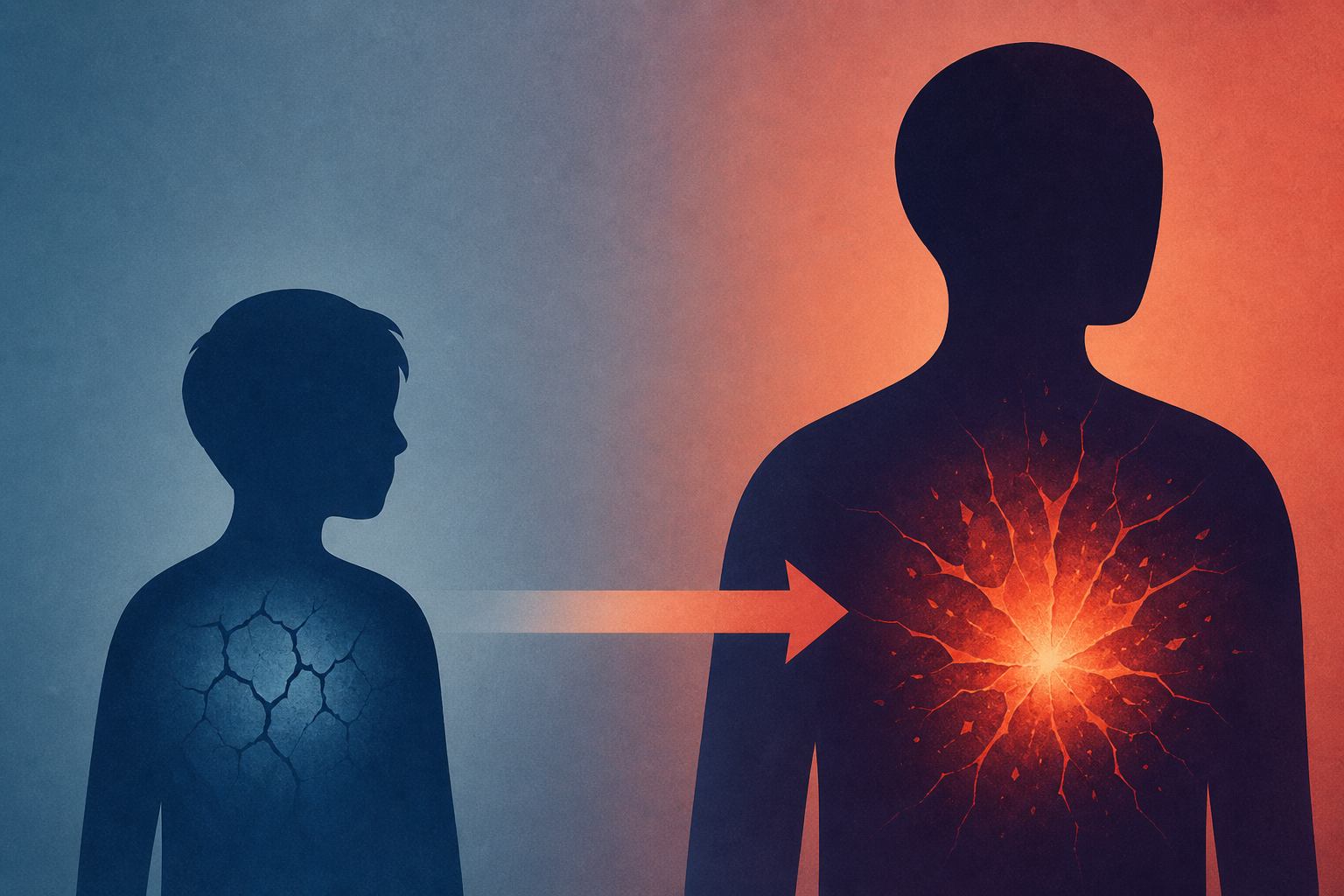
- The first stage involves damage from infections, injuries, and mutations occurring earlier in life that often remains hidden, while the second stage sees age-related biological processes diminishing the body's ability to manage this damage, triggering diseases.
- This multifactorial framework suggests that conditions like cancer, arthritis, and infections such as shingles emerge due to the interaction between dormant early damage and declining biological defenses with age.
- The model draws on evolutionary biology, noting that natural selection weakens in later life, allowing previously harmless genetic processes to have harmful effects, supported by parallels observed in roundworm studies.
- Researchers believe this new perspective could improve understanding of aging-related diseases and inform future strategies for prevention, intervention, and promoting healthier aging.


