AI Image
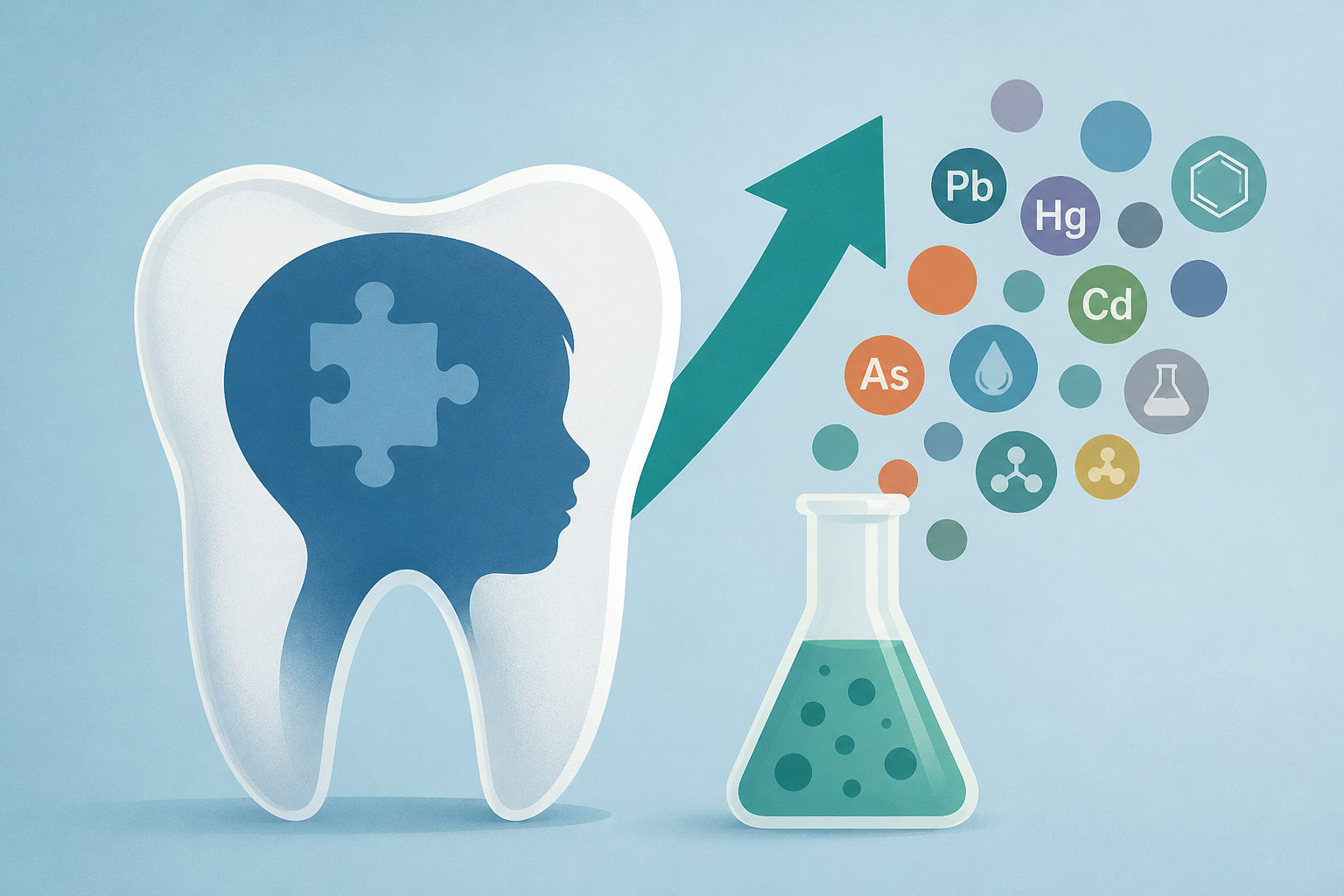
Higher Levels of 19 Potentially Toxic Chemicals Found in The Teeth of Children With Autism
Yahoo • • health
Key Points:
- A new study published in Neurotoxicology and Teratology reveals that analyzing children's baby teeth can provide a long-term record of chemical exposures linked to autism, capturing exposure from the fetal stage to around age three.
- Researchers analyzed teeth from 38 children (22 with autism, 16 controls) and found over 300 toxicants per tooth on average, with 60 compounds present in at least half of the children, many of which are known developmental or reproductive toxicants.
- Most toxicants were found in higher concentrations in children with autism, including benzyl benzoate, which appeared at 722% higher levels in the autism group; however, the study does not establish causation.
- The study highlights chronic exposure to chemicals from everyday products like baby bottles, food packaging, and plastics, suggesting that pregnant and lactating women may have substantial exposure that could impact child development.
- Researchers call for further studies using tooth analysis to better understand chemical exposure's role in autism risk and recommend precautionary avoidance of these chemicals, especially for pregnant women and young children.


