AI Image
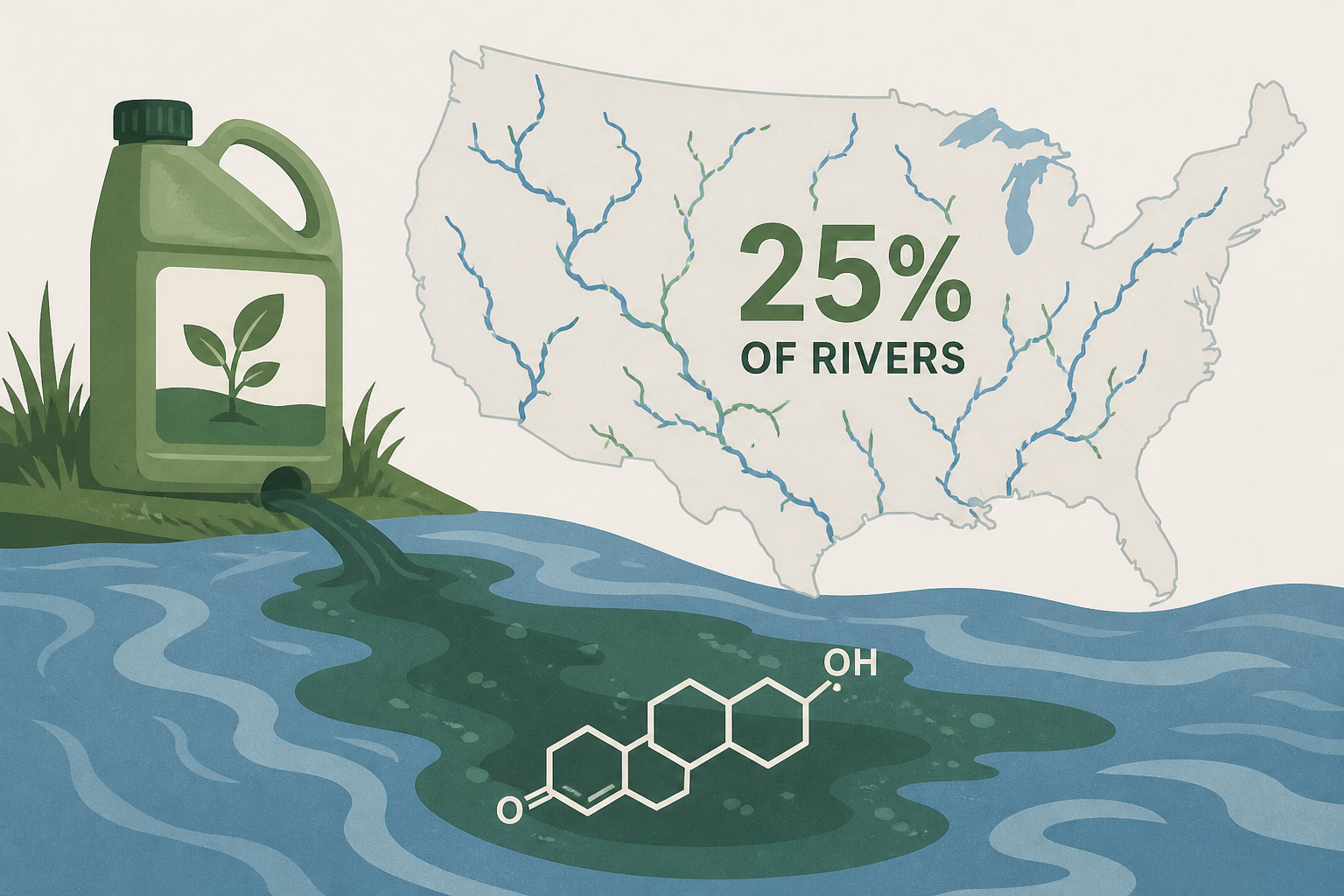
Hormone-disrupting herbicide contaminating 25% of continental US rivers, report finds
The Guardian • • nation
Key Points:
- Nearly 25% of continental US rivers, about 860,000 miles, are contaminated with the herbicide atrazine at levels harmful to wildlife and potentially human health, affecting over 20% of surface drinking water intakes and 675,000 wells.
- Atrazine is an endocrine disruptor linked to severe reproductive and developmental harm in humans and animals, including hormone disruption, birth defects, and population declines in amphibians; it is banned in 60 countries but remains widely used in the US.
- The Center for Biological Diversity's report, analyzing EPA data for the first time, criticizes the EPA for decades of inaction despite robust evidence of atrazine's dangers and ongoing litigation seeking to revoke its approval.
- Atrazine contamination hotspots include the Midwest corn belt, Chesapeake Bay, Florida’s Lake Okeechobee, the lower Mississippi River, and the Texas Gulf coast, with some areas showing contamination levels far exceeding EPA safety thresholds.
- Environmental advocates call for a US ban on atrazine, citing its widespread pollution, health risks, and strong industry lobbying by Syngenta, which profits heavily from its continued use despite public health concerns.


